

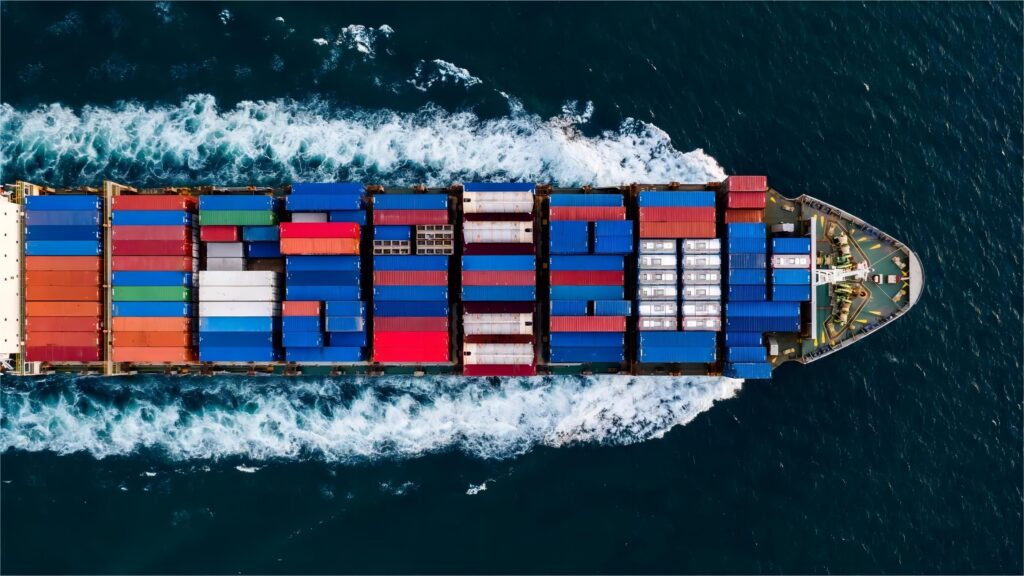
Shipping goods between China and Malaysia has become a backbone of trade in Southeast Asia. Among multiple logistics solutions, sea freight from China to Malaysia stands out as the most cost-effective choice for businesses importing bulk goods. While air freight provides speed and rail freight connects central Asia to Europe, ocean shipping remains the preferred method for handling large volumes at lower costs.
This article explores everything you need to know, from costs and transit times to documentation and hidden charges. You’ll also find long-tail keyword integration, FAQs, and practical tables for better decision-making.
1. Why Businesses Prefer Sea Freight from China to Malaysia
Sea freight remains the most reliable and affordable option for bulk shipments. Businesses choose it because it provides scalable container solutions (FCL and LCL) and stable costs. Importers shipping electronics, furniture, textiles, and machinery benefit most due to weight and volume efficiency.
📌2. Sea Freight from China to Malaysia Costs Explained
Understanding costs is crucial for budgeting. Rates are influenced by container type, Incoterms, and additional surcharges.
| Container Type | Average Cost (USD) | Best For |
|---|---|---|
| 20ft FCL | $500 – $800 | Small bulk shipments |
| 40ft FCL | $900 – $1,400 | Large and heavy cargo |
| LCL (per CBM) | $40 – $60 | Smaller, shared loads |
3. Sea Freight from China to Malaysia Transit Time
Transit times depend on ports, vessel routes, and customs procedures.
| Route | Estimated Time |
|---|---|
| Shanghai to Port Klang | 9–12 days |
| Shenzhen to Penang | 7–10 days |
| Ningbo to Johor | 12–15 days |
📌4. FCL Sea Freight from China to Malaysia – When to Choose It
Full Container Load (FCL) works best when:
- Cargo volume fills 20ft or 40ft containers.
- Goods are sensitive and need isolation.
- Businesses want lower per-unit shipping costs.
5. LCL Shipping from China to Malaysia – Smart Choice for SMEs
Less than Container Load (LCL) suits smaller businesses. By sharing space with other importers, SMEs save costs while still enjoying the reliability of sea freight. However, extra consolidation steps may add time.
6.Choosing a Freight Forwarder for Sea Freight
A professional forwarder simplifies the shipping process by:
- Handling customs at both ends.
- Consolidating LCL shipments.
- Offering DDP (Delivered Duty Paid) solutions.
- Providing tracking and real-time updates.
7. Request a Quote
China Top Freight offers:
- ✅ Origin and Destination Countries
- ✅ Cargo Type and Volume
- ✅ Preferred Transport Method (Air, Sea, Rail, Road)
- ✅ Delivery Timeline
- ✅ Special Handling Requirements (if any)
💬8. FAQ
1. How can I avoid delays during port congestion?
Plan shipments well in advance, especially before peak seasons. Work with forwarders who offer flexible routing options to bypass busy terminals.
2. What steps help reduce damage during long sea voyages?
Use strong pallets, moisture-resistant packaging, and clear labeling. Reinforcing cartons and sealing containers properly can prevent common handling issues.
3. How do I track my cargo while it is at sea?
Most carriers provide online tracking platforms. By using your Bill of Lading number, you can monitor the vessel’s route and estimate arrival times.
4. Are there additional fees when unloading at Malaysian ports
Yes, expect handling, storage, and sometimes inspection charges. Confirm these with your forwarder upfront to avoid unexpected expenses.
5. How can smaller businesses manage rising freight rates?
They often join groupage services, consolidating cargo with other shippers. This spreads costs and ensures access to competitive rates.