

- By kelly
- September 25, 2025
- Logistics, Tips or Guide
Sea Freight from China to Saudi Arabia: Complete Shipping Guide
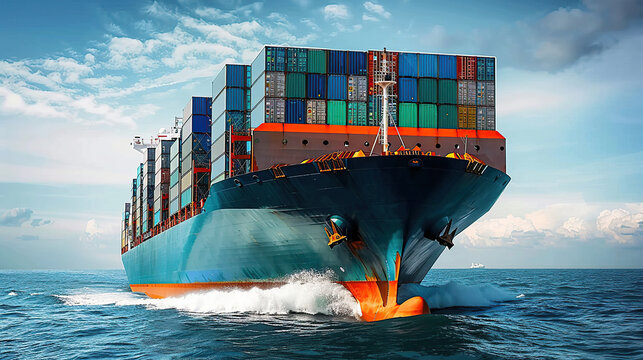
For businesses importing goods, sea freight from China to Saudi Arabia is the most reliable and cost-effective option. However, importers often face challenges such as high shipping costs, varying transit times, and complex customs regulations. This guide explains the process, costs, documents, and best practices to ensure smooth shipping from China to Saudi Arabia.
1. Why Choose Sea Freight from China to Saudi Arabia?
Sea freight offers significant advantages for companies importing bulk or heavy goods:
- Cost savings compared to air freight
- Capacity for large shipments such as machinery, textiles, and electronics
- Direct shipping routes to major Saudi ports including Jeddah, Dammam, and King Abdullah Port
Moreover, the strong trade relationship between China and Saudi Arabia ensures frequent vessel schedules, making supply chains more predictable.
2. How Long Does Sea Freight from China to Saudi Arabia Take?
Transit time depends on the departure port in China, the destination in Saudi Arabia, and shipping line schedules.
| Route | Average Transit Time | Notes |
|---|---|---|
| Shanghai – Jeddah | 25–30 days | Most common trade route |
| Ningbo – Dammam | 22–28 days | Popular for manufacturing goods |
| Shenzhen – King Abdullah Port | 18–24 days | Faster for electronics and consumer goods |
| Qingdao – Jeddah | 30–35 days | Longer distance, higher cost |
Although slower than air freight, sea freight is the most economical option for high-volume shipments.
3. What Are the Costs of Sea Freight from China to Saudi Arabia?
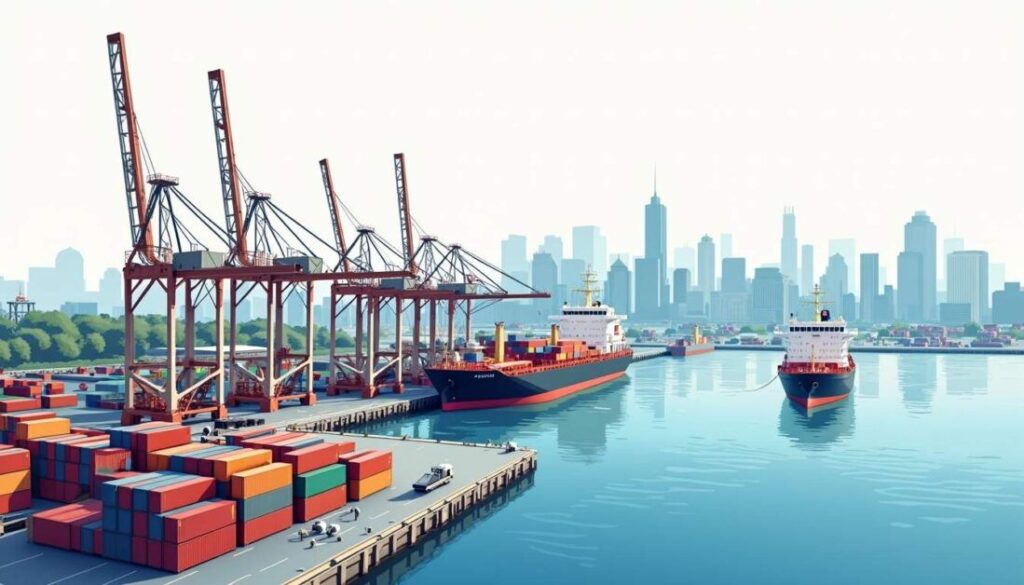
Shipping costs vary depending on cargo size, container type, and seasonal demand.
| Shipping Option | Average Cost (USD) | Best For | Pros | Cons |
|---|---|---|---|---|
| FCL 20ft | $2,200–$3,200 | Medium shipments | Cost-effective, safe | Requires full container |
| FCL 40ft | $3,800–$5,500 | Bulk imports | Lower cost per unit | High upfront cost |
| LCL (per CBM) | $120–$180 | Small shipments | Flexible, no full container needed | Slower, higher risk of damage |
Note: Prices fluctuate due to oil costs, port congestion, and global shipping demand.
4. FCL vs LCL: Which Option Should Importers Choose?
Full Container Load (FCL)
- Ideal for shipments above 15–20 CBM
- Faster customs clearance
- Lower risk of damage
Less than Container Load (LCL)
- Best for smaller cargo volumes
- Shared space reduces costs
- Additional handling may cause delays
5. Which Chinese Ports Handle Shipments to Saudi Arabia?
China has multiple ports serving Saudi Arabia-bound cargo:
- Shanghai Port – Largest export hub, suitable for all cargo types
- Shenzhen Port – Preferred for electronics and consumer goods
- Ningbo Port – Competitive rates for bulk shipments
- Qingdao Port – Northern China’s key shipping center
6. Which Saudi Arabian Ports Receive Cargo from China?
- Jeddah Islamic Port – Largest port on the Red Sea, handles majority of imports
- King Abdul Aziz Port (Dammam) – Major Arabian Gulf entry point
- King Abdullah Port – Growing hub with advanced facilities for containerized cargo
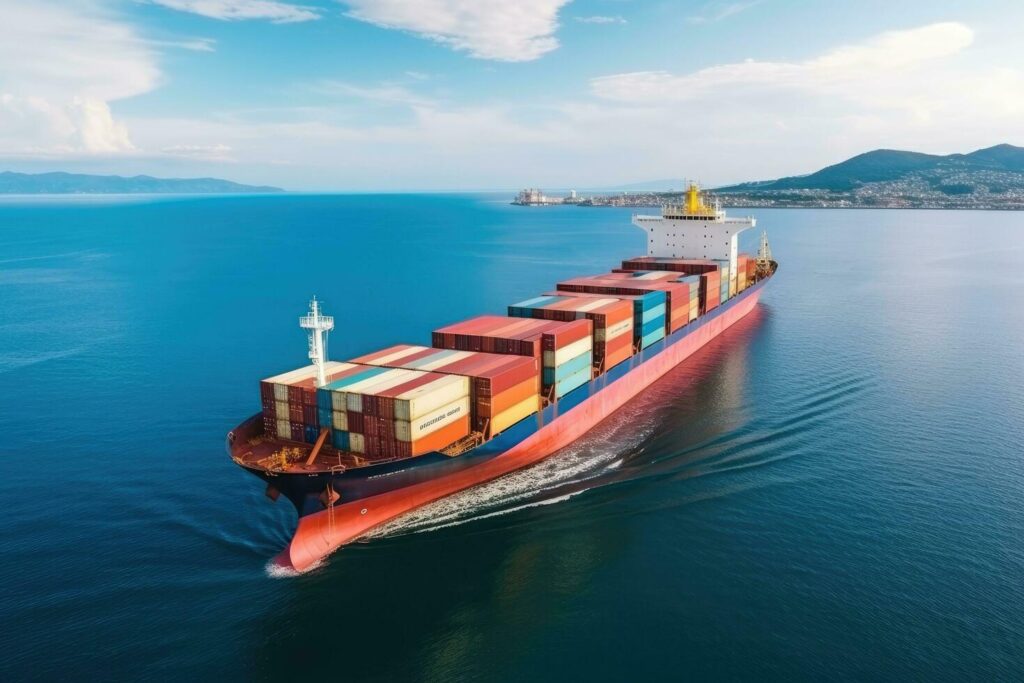
7. What Documents Are Required for Sea Freight to Saudi Arabia?
Correct documentation is crucial for smooth customs clearance.
| Document | Purpose |
|---|---|
| Bill of Lading (B/L) | Proof of shipment & ownership |
| Commercial Invoice | Lists cargo details & value |
| Packing List | Specifies weight & packaging |
| Certificate of Origin | Confirms goods’ origin |
| SASO Certificate | Saudi Standards compliance |
| Customs Declaration | Required for duty assessment |
8. Customs Duties & Import Regulations in Saudi Arabia
Importers must follow Saudi Customs requirements:
- Customs Duties: Typically range from 5%–20% based on HS Code
- VAT: 15% applied on imports
- SASO Certificate: Mandatory for product quality standards
- Restricted Goods: Alcohol, pork products, and certain electronics are prohibited
Failure to comply may result in fines, delays, or confiscation of goods.
9. Sea Freight vs Other Shipping Methods
| Mode | Transit Time | Cost | Best For |
|---|---|---|---|
| Sea Freight | 18–35 days | Low | Bulk cargo, machinery, raw materials |
| Air Freight | 4–7 days | High | Urgent or high-value goods |
| Rail Freight (via China-Europe-KSA) | 15–20 days | Medium | Limited usage, indirect route |
| Courier/Express | 3–5 days | Very High | Small parcels, urgent samples |
10. How to Reduce Sea Freight Costs from China to Saudi Arabia?
- Book early to secure lower rates during peak seasons
- Choose FCL when shipping volumes exceed 15 CBM
- Work with freight forwarders for consolidated rates
- Select the nearest Chinese port to reduce inland costs
- Use long-term contracts with carriers for stable pricing
11. Common Challenges in Sea Freight to Saudi Arabia
- Port congestion at Jeddah causing delays
- Fluctuating freight rates impacting cost planning
- Strict SASO certification requirements
- Cargo damage risk in shared LCL containers
A reliable logistics partner can minimize these risks through planning and compliance support.
📦Get a Free Quote
Partnering with an experienced forwarder for sea freight from China to Saudi Arabia ensures timely deliveries, cost efficiency, and compliance with local regulations. Contact our team today to request a tailored quote for your shipping needs.
❓ Frequently Asked Questions
Q1: How much does sea freight from China to Saudi Arabia cost?
Costs range from $2,200–$3,200 for a 20ft container, $3,800–$5,500 for a 40ft container, and $120–$180/CBM for LCL shipments.
Q2: How long does it take for sea freight from China to Saudi Arabia?
Transit usually takes 18–35 days depending on the Chinese origin port, the Saudi destination, and vessel schedules.
Q3: Can I ship small goods via sea freight to Saudi Arabia?
Yes. LCL shipping allows small shipments to share container space, although it may involve longer handling and transit times.
Q4: What documents are needed for customs clearance in Saudi Arabia?
Required documents include Bill of Lading, Commercial Invoice, Packing List, Certificate of Origin, SASO Certificate, and Customs Declaration.
Q5: Which Saudi ports receive cargo from China?
Jeddah Islamic Port is the busiest, followed by King Abdul Aziz Port (Dammam) and the expanding King Abdullah Port.
Conclusion
In summary, sea freight from China to Saudi Arabia is the most practical and cost-efficient option for bulk cargo imports. Although it takes longer than air freight, the affordability and capacity make it ideal for businesses. By understanding costs, transit times, and customs requirements, importers can avoid delays and optimize their supply chain. Working with a professional freight forwarder ensures reliable shipping, smooth customs clearance, and better logistics planning.