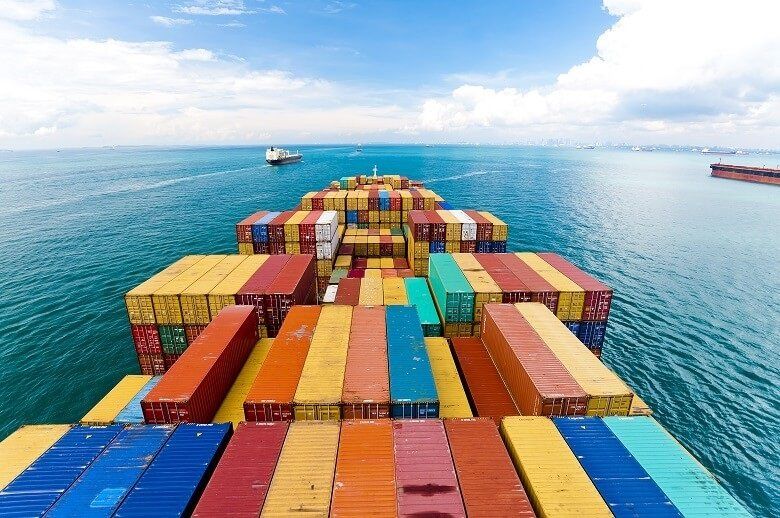
For many importers, choosing sea freight from China to South Africa is the most cost-effective way to move bulk cargo. Reliable Chinese freight forwarders offer flexible services such as sea freight, air freight, and courier delivery to balance shipping costs, customs clearance, and delivery schedules.
1. Why Choose Sea Freight for China–South Africa Trade?
Sea freight dominates global trade because it provides the lowest cost per ton for large shipments. Moreover, South Africa’s strong import market for machinery, electronics, clothing, and consumer goods makes ocean shipping the preferred logistics choice.
2. How Much Does Sea Freight Cost?
Container Type
Average Cost (USD)
Best For
20ft FCL
$2,800–$3,500
Medium shipments
40ft FCL
$5,200–$6,500
Bulk cargo
40ft HC
$5,500–$6,800
High-volume, lightweight cargo
LCL (per CBM)
$70–$90
Small importers, startups
3. How Long Does Sea Freight from China to South Africa Take?
Seasonal demand fluctuations (Chinese New Year, Christmas).
Global fuel costs and carrier surcharges.
Port congestion at Durban or Cape Town.
Type of cargo (hazardous, oversized, refrigerated).
Customs clearance delays or additional inspections.
5. Sea Freight vs Air Freight: Which Works Better?
Method
Average Cost
Transit Time
Pros
Cons
Sea Freight
$2,800–$6,800 per container
25–35 days
Cheapest for bulk cargo
Slower transit
Air Freight
$5–$8 per kg
5–7 days
Fast, reliable
Expensive
Courier
$8–$12 per kg
3–5 days
Door-to-door service
Not scalable
6. Should You Choose FCL or LCL?
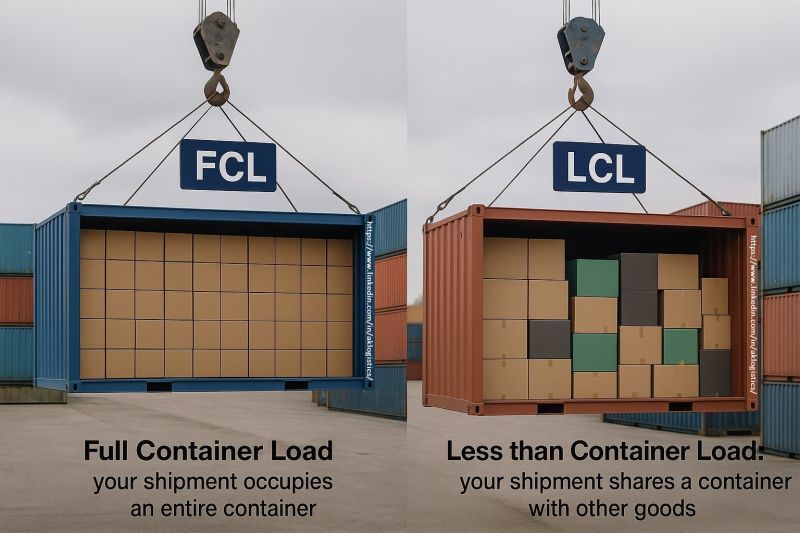
FCL (Full Container Load): Ideal for businesses with large shipments. Cheaper per unit, faster clearance, and safer.
LCL (Less than Container Load): Suitable for small businesses that cannot fill a container. However, consolidation adds extra handling time.
7. What Customs Documents Are Required?
Document
Purpose
Bill of Lading
Proof of shipment
Commercial Invoice
Declares cargo value
Packing List
Details of contents
Import Permit
Required for restricted goods
Customs Declaration
Clearance by SARS (South African Revenue Service)
8. Which South African Ports Handle Cargo from China?
Durban Port: Africa’s largest port and South Africa’s primary gateway.
Cape Town Port: Ideal for Western Cape imports.
Port Elizabeth: Strategic hub for automotive and machinery imports.
Richards Bay: Best for bulk commodities.
9. How to Save Money on Sea Freight?
Book shipments early to lock in lower rates.
Consolidate LCL cargo with trusted forwarders.
Choose alternative ports to avoid congestion fees.
Negotiate annual contracts with carriers.
Ensure accurate documentation to avoid customs penalties.
10. Pros and Cons of Sea Freight from China to South Africa
Pros
Cons
Lowest cost per ton
Longer transit time
High cargo capacity
Port congestion risk
Eco-friendly shipping
Seasonal delays
Global availability
Complex customs paperwork
11. Example: Cost Breakdown for Real Shipment
Cargo: 1 × 40ft container Shenzhen → Durban
Sea Freight Rate: $5,400
Port Handling Fees: $200
Customs Duties: $600
Insurance: $120
Total Landed Cost: $6,320
Final Thoughts
In conclusion, sea freight from China to South Africa remains the most affordable and efficient method for bulk imports. With costs ranging from $2,800 to $6,800 per container and transit times averaging 25–35 days, it balances price and practicality. By working with experienced freight forwarders, preparing accurate customs documents, and planning around seasonal surcharges, businesses can reduce expenses while ensuring smooth logistics between China and South Africa.