

- By kelly
- September 25, 2025
- Logistics, Tips or Guide
Sea Freight from China to USA Cost: Complete Shipping Guide
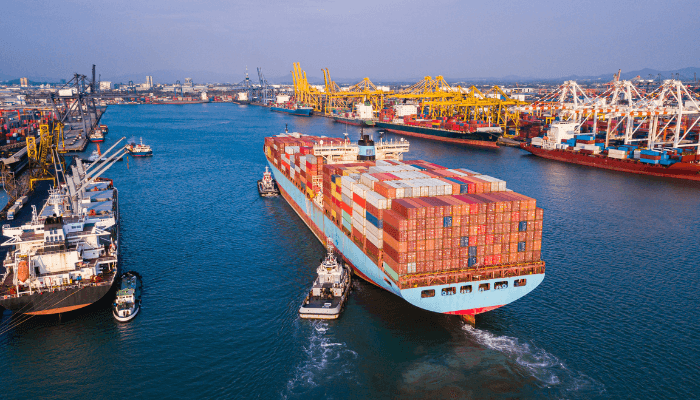
Managing international logistics can be complex, and understanding sea freight from China to USA cost is essential for businesses importing products. However, many importers struggle with unpredictable rates, long transit times, and strict customs procedures. This detailed guide covers costs, shipping methods, documentation, and strategies to optimize your supply chain when importing from China to the USA.
1. Why Is Sea Freight from China to USA So Important?
Sea freight is the backbone of international trade between China and the United States. It remains the most cost-efficient solution for bulk cargo and high-volume shipments. Moreover, both countries have well-developed port infrastructure that supports smooth trade operations.
2. How Much Does Sea Freight from China to USA Cost?
Freight costs depend on container size, cargo volume, and seasonal fluctuations.
| Shipping Option | Average Cost (USD) | Best For | Pros | Cons |
|---|---|---|---|---|
| FCL 20ft | $1,800–$3,500 | Medium shipments | Secure, fixed price | Requires full container |
| FCL 40ft | $3,000–$5,000 | Large shipments | Lower unit cost | Higher upfront cost |
| LCL (per CBM) | $120–$180 | Small shipments | Cost-sharing | Slower, risk of damage |
Note: Prices vary due to oil costs, shipping seasonality, and port congestion.
3. What Factors Affect Sea Freight Cost from China to USA?
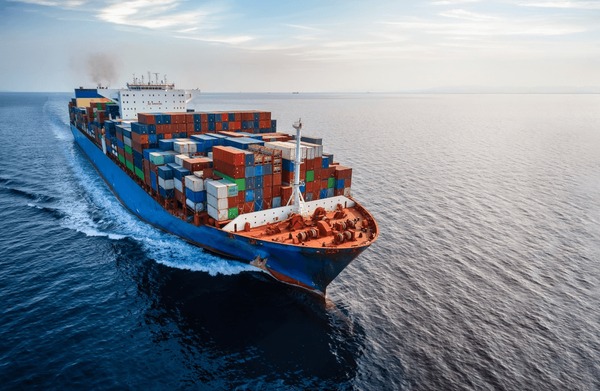
Several variables influence total shipping expenses:
- Container size and type (20ft, 40ft, refrigerated)
- Shipping season (peak season surcharges apply in August–November)
- Origin and destination ports
- Fuel surcharges and tariffs
- Customs duties and taxes
Therefore, planning shipments well in advance is crucial to manage costs effectively.
4. How Long Does Sea Freight from China to USA Take?
Transit times depend on the route and port pair.
| Route | Average Transit Time | Notes |
|---|---|---|
| Shanghai – Los Angeles | 15–20 days | Fastest Pacific route |
| Ningbo – New York | 28–35 days | Longest East Coast route |
| Shenzhen – Houston | 25–30 days | Popular for electronics |
| Qingdao – Seattle | 18–22 days | Efficient for northern shipments |
Although slower than air freight, sea freight balances cost and reliability.
5. FCL vs LCL: Which Is Right for Your Cargo?
Full Container Load (FCL)
- Ideal for shipments above 15–20 CBM
- Faster customs clearance
- Reduced risk of damage
Less than Container Load (LCL)
- Best for smaller shipments
- More flexible and cost-efficient
- Requires extra handling time for consolidation and deconsolidation
6. Which Chinese Ports Are Common for USA Shipments?
- Shanghai Port – Largest container hub worldwide
- Shenzhen Port – Preferred for electronics and textiles
- Ningbo Port – Competitive rates for bulk cargo
- Qingdao Port – Northern China’s logistics center
7. Which USA Ports Receive Cargo from China?
- Los Angeles & Long Beach – Largest gateways for Pacific trade
- New York/New Jersey – Ideal for East Coast distribution
- Houston – Strong Gulf Coast entry point
- Seattle/Tacoma – Efficient for northern imports
8. What Documents Are Required for Sea Freight from China to USA?
Accurate documentation is essential for customs clearance.
| Document | Purpose |
|---|---|
| Bill of Lading (B/L) | Proof of shipment & ownership |
| Commercial Invoice | Declares cargo value |
| Packing List | Details shipment content |
| Certificate of Origin | Verifies manufacturing country |
| ISF Filing | Required before arrival in the USA |
| Customs Declaration | For duties and tax assessment |
9. Customs Duties & Import Regulations in the USA
Importers must follow U.S. Customs and Border Protection (CBP) rules:
- Import Duties: Vary by HS Code, usually 0–37.5%
- Merchandise Processing Fee (MPF): 0.3464% of shipment value (minimum $29, maximum $575)
- Harbor Maintenance Fee (HMF): 0.125% on ocean shipments
- ISF Filing: Must be submitted 24 hours before loading in China
Failure to comply can lead to fines or shipment delays.
10. Comparing Sea Freight with Other Shipping Methods
| Mode | Transit Time | Cost | Best For |
|---|---|---|---|
| Sea Freight | 15–35 days | Low | Bulk, heavy cargo |
| Air Freight | 3–7 days | High | Urgent shipments |
| Rail Freight (via China–US indirect routes) | 20–25 days | Medium | Limited trade |
| Courier/Express | 3–5 days | Very High | Small parcels |
11. How to Reduce Sea Freight Costs from China to USA?
- Book shipments early during off-peak seasons
- Use FCL for cargo exceeding 15 CBM
- Choose efficient Chinese ports close to factories
- Work with experienced freight forwarders for competitive rates
- Consolidate smaller shipments to save on LCL costs
12. What Challenges Do Importers Face with Sea Freight?
- Port congestion at Los Angeles and New York
- Fluctuating freight rates due to global demand
- Longer customs clearance times without accurate documents
- Risk of cargo damage during LCL shipping
However, with proper planning, most of these challenges can be minimized.
📦Get a Free Quote
Working with a trusted forwarder ensures your sea freight from China to USA cost remains competitive while avoiding costly delays. Contact our team today for a tailored quote and professional support.
❓ Frequently Asked Questions
Q1: How much does sea freight from China to USA cost?
FCL costs range from $1,800–$5,000 per container, while LCL shipping averages $120–$180 per CBM depending on cargo volume and season.
Q2: How long does sea freight from China to USA take?
Transit times vary from 15–35 days depending on origin and destination ports, as well as shipping line schedules.
Q3: Can I ship small cargo via sea freight?
Yes. LCL shipping allows small shipments to share container space, although it requires additional handling and longer transit times.
Q4: Which USA ports are best for Chinese imports?
Los Angeles, Long Beach, New York/New Jersey, Houston, and Seattle are the most important entry points for goods from China.
Q5: What is ISF filing and why is it important?
Importer Security Filing (ISF) is mandatory for ocean imports to the USA. It must be submitted 24 hours before vessel loading.
Conclusion
In conclusion, sea freight from China to USA cost is significantly lower than other shipping methods, making it the preferred option for importers handling bulk cargo. Although it takes longer, the affordability, reliability, and flexibility make it ideal for supply chain efficiency. By understanding costs, transit times, required documents, and customs regulations, businesses can plan better and avoid delays. Partnering with a professional freight forwarder ensures smooth logistics, accurate compliance, and competitive shipping rates.