

Sea Freight from China to USA Time: Your Complete Guide
Navigating international shipping can be complex, and understanding the ‘sea freight from China to USA time’ is crucial for businesses. This comprehensive guide from China Top Freight will demystify the process. We will explore transit times, influencing factors, and strategies to optimize your supply chain. Ultimately, this ensures your goods arrive efficiently and predictably.

What Factors Influence Sea Freight from China to USA Time?
Many variables affect the overall sea freight from China to USA time. Understanding these elements is essential for accurate planning and managing expectations. Key factors include the specific origin and destination ports, chosen shipping route, and vessel speed.
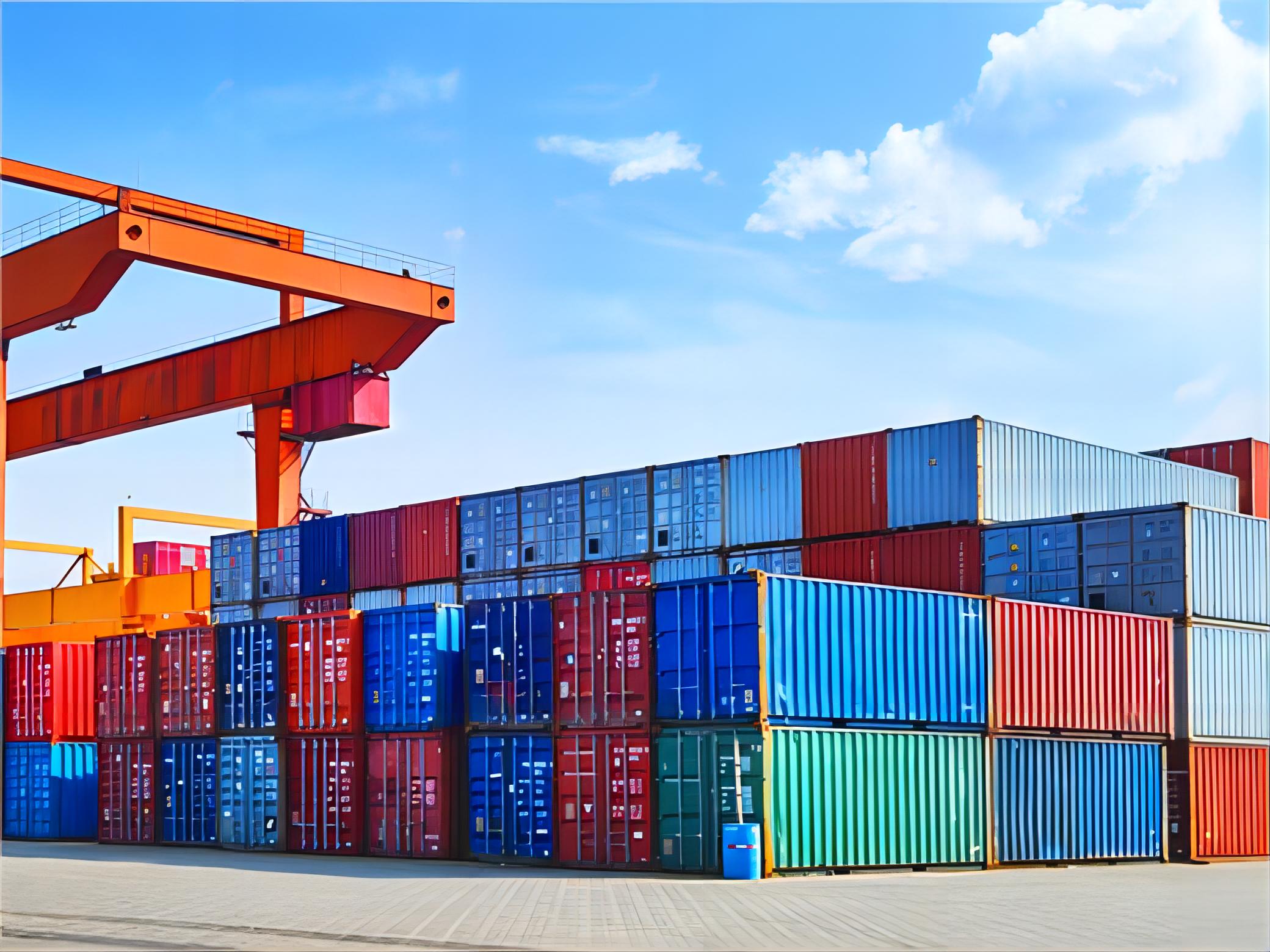
Furthermore, the type of service, such as Full Container Load (FCL) or Less than Container Load (LCL), significantly impacts transit times. Port congestion and customs clearance procedures at both ends also play a critical role. Seasonal demand and unforeseen weather conditions can cause additional delays.
Average Sea Freight Transit Times from China to USA
Typically, sea freight from China to USA time varies depending on the destination coast. West Coast ports like Los Angeles or Long Beach usually experience shorter transit times. East Coast ports, such as New York or Savannah, involve longer journeys through the Panama Canal or Suez Canal.
Moreover, direct services offer faster transit compared to routes with transshipment points. These average times are important benchmarks for importers. However, they can fluctuate based on current logistics trends and carrier schedules.
This table outlines typical ocean freight transit times for common routes. Please note these are port-to-port estimates and do not include origin or destination handling.
| Origin Port (China) | Destination Port (USA) | Estimated Transit Time (Days) | Route Type |
|---|---|---|---|
| Shanghai/Ningbo | Los Angeles/Long Beach | 14-18 | Direct |
| Shenzhen/Guangzhou | Los Angeles/Long Beach | 12-16 | Direct |
| Qingdao/Tianjin | Seattle/Tacoma | 16-20 | Direct |
| Shanghai/Ningbo | New York/Savannah | 30-35 | Panama Canal |
| Shenzhen/Guangzhou | Houston/Miami | 28-33 | Panama Canal |
Understanding FCL vs. LCL: Impact on Delivery Schedule
Choosing between FCL (Full Container Load) and LCL (Less than Container Load) significantly affects sea freight from China to USA time. FCL shipments generally offer faster and more predictable transit. Your cargo occupies an entire container, eliminating consolidation and deconsolidation delays.
Conversely, LCL shipments involve combining multiple consignments into one container. This process, while cost-effective for smaller volumes, adds time for consolidation at the origin and deconsolidation at the destination. Therefore, LCL transit times are typically longer and less consistent, impacting your overall delivery schedule.
How Does Sea Freight Compare to Other Shipping Options?
When considering sea freight from China to USA time, it is crucial to evaluate alternative shipping methods. Each option presents different trade-offs in terms of speed, cost, and capacity. This comparison helps importers make informed decisions based on their specific needs and budget.
For instance, air freight offers significantly faster transit times but at a much higher cost. Meanwhile, express services provide even quicker delivery for smaller, urgent shipments. Understanding these differences is vital for optimizing your supply chain.
This table provides a concise overview of popular shipping methods from China to the USA. It highlights key differences in cost, speed, and suitability for various cargo types. As of early 2025, these ranges reflect typical market conditions.
| Shipping Method | Cost Range (per kg) | Transit Time (Days) | Best For | Limitations |
|---|---|---|---|---|
| Sea Freight (FCL) | $0.15 – $0.35 | 14-35 | Large volumes, heavy goods, non-urgent | Slowest, port congestion risks |
| Sea Freight (LCL) | $0.30 – $0.70 | 20-45 | Smaller volumes, less urgent, cost-sensitive | Slower than FCL, consolidation delays |
| Air Freight | $4.00 – $8.00 | 3-7 | Urgent, high-value, perishable goods | Most expensive, volumetric weight rules |
| Express Service | $6.00 – $12.00 | 1-4 | Small packages, samples, highly urgent | Very expensive, limited weight/size |
Navigating Customs, Documentation, and Potential Delays
Customs clearance is a critical step that can impact your sea freight from China to USA time. Proper documentation, including commercial invoices, packing lists, and bills of lading, is essential for smooth processing. Any discrepancies or missing information can lead to significant delays.
Furthermore, understanding US import regulations and tariffs is paramount. Engaging a professional for customs brokerage can streamline this process. This helps avoid common pitfalls and ensures compliance, reducing the risk of your cargo being held up at the port.
Port congestion, especially at major hubs like Los Angeles or New York, can also cause unforeseen delays. Vessel rollovers, where cargo is bumped to a later ship due to overbooking, are another common challenge. Proactive communication with your freight forwarder is key to managing these issues effectively.
Real-World Scenarios: Optimizing Sea Freight from China to USA
Examining actual case studies provides practical insights into managing sea freight from China to USA time. These examples highlight how different choices impact transit, cost, and overall efficiency. They demonstrate the complexities and solutions involved in international shipping.
Case Study 1: E-commerce Retailer for Amazon FBA
A growing e-commerce business needed to replenish inventory for Amazon FBA warehouses on the US West Coast. They prioritized a balance of cost and reasonable speed for their regular shipments of consumer electronics. This approach ensured a steady stock without excessive expenditure.
| Detail | Description |
|---|---|
| Route | Shenzhen, China -> Los Angeles, USA |
| Cargo | Consumer Electronics, 25 CBM, 4,500 kg |
| Container | LCL 25 CBM |
| Shipping Details | Major carrier, Port of Loading: Shenzhen, Port of Discharge: Los Angeles, Route Type: Direct |
| Cost Breakdown (Estimated Q4 2024) | Ocean Freight: $1,250 | Origin Charges: $350 | Destination Charges: $400 | Customs & Duties: $600 | Total Landed Cost: $2,600 |
| Timeline | Booking to Loading: 5 days | Sea Transit: 16 days | Customs Clearance: 3 days | Total Door-to-Door: 28 days |
| Key Insight | Choosing LCL for cost efficiency, despite slightly longer transit, proved optimal for consistent inventory flow to Amazon FBA. |
Case Study 2: Industrial Manufacturer with Large Volume
An industrial client required shipping heavy machinery components to their assembly plant on the US East Coast. Given the substantial volume and weight, FCL was the only viable option. Predictability and minimizing overall freight rates were their primary concerns for this large shipment.
| Detail | Description |
|---|---|
| Route | Shanghai, China -> Savannah, USA |
| Cargo | Heavy Machinery Parts, 55 CBM, 18,000 kg |
| Container | 40HQ |
| Shipping Details | Major carrier, Port of Loading: Shanghai, Port of Discharge: Savannah, Route Type: Panama Canal |
| Cost Breakdown (Estimated Q1 2025) | Ocean Freight: $5,000 | Origin Charges: $650 | Destination Charges: $800 | Customs & Duties: $1,200 | Total Landed Cost: $7,650 |
| Timeline | Booking to Loading: 7 days | Sea Transit: 32 days | Customs Clearance: 4 days | Total Door-to-Door: 45 days |
| Key Insight | Despite the longer sea freight from China to USA time for East Coast, FCL offered cost-effectiveness and reliability for large, heavy goods. |
Case Study 3: Retailer Needing Expedited Delivery
A fashion retailer needed to quickly restock a popular seasonal item to avoid stockouts before a major holiday. While sea freight was their usual method, the urgency demanded a faster, albeit more expensive, solution. This scenario highlights the need for flexible logistics strategies.
| Detail | Description |
|---|---|
| Route | Guangzhou, China -> Dallas, USA |
| Cargo | Apparel, 5 CBM, 800 kg |
| Container | LCL (Expedited Service) |
| Shipping Details | Expedited LCL via major carrier, Port of Loading: Guangzhou, Port of Discharge: Houston, Route Type: Transshipment |
| Cost Breakdown (Estimated Q1 2025) | Ocean Freight: $800 | Origin Charges: $200 | Destination Charges: $250 | Customs & Duties: $150 | Total Landed Cost: $1,400 |
| Timeline | Booking to Loading: 3 days | Sea Transit: 20 days | Customs Clearance: 2 days | Total Door-to-Door: 28 days |
| Key Insight | Utilizing an expedited LCL service reduced standard sea freight from China to USA time by almost a week, critical for time-sensitive inventory. |
Which Option Should You Choose? A Decision Framework
Selecting the optimal shipping method for your cargo requires a strategic approach. Your decision should align with your business priorities, product characteristics, and budget constraints. Consider these factors to determine the best fit for your logistics needs.
For instance, if budget is your primary concern, standard sea freight, especially LCL for smaller volumes, is often the most economical choice. However, be prepared for longer sea freight from China to USA time. This trade-off is acceptable for non-urgent shipments.
Conversely, if speed is paramount, air freight or express services are indispensable. This is ideal for high-value goods, perishable items, or urgent replenishments. The higher cost is justified by rapid delivery and reduced inventory holding times.
Moreover, the cargo type and volume also dictate the best method. Large, bulky, or heavy items are best suited for FCL sea freight. Smaller, lighter shipments might benefit from LCL or even air freight, depending on urgency. Consider door-to-door services for convenience.
Cost-Saving Strategies and Optimizing Your Supply Chain
Reducing shipping costs while managing sea freight from China to USA time effectively is a constant goal for importers. Strategic planning and leveraging freight forwarder expertise can lead to significant savings. Consider consolidating multiple orders to achieve FCL rates.
Additionally, booking well in advance, especially outside of peak seasons, can secure better freight rates. Exploring different port options for both origin and destination might also uncover more economical routes. Hybrid solutions, like sea-air combinations, can offer a balance of speed and cost for specific needs.
Working with a reliable freight forwarder like China Top Freight is crucial for optimizing your supply chain. They can provide insights into market conditions, advise on the best routes, and negotiate favorable terms. This partnership helps streamline your logistics and improve overall efficiency.
Conclusion: Mastering Your Sea Freight from China to USA Time
Effectively managing sea freight from China to USA time is vital for any business involved in international trade. It requires a thorough understanding of transit factors, shipping options, and potential challenges. By carefully planning and choosing the right strategies, you can significantly improve your supply chain efficiency.
Ultimately, partnering with an experienced freight forwarder can provide invaluable support. They help navigate complexities like customs, optimize routes, and minimize delays. This ensures your cargo arrives on schedule and within budget, giving you a competitive edge.

Need a tailored shipping solution?
Ready to optimize your sea freight from China to USA time and costs? Contact our experts today for a personalized quote and tailored shipping solutions. We are committed to providing efficient and reliable logistics services for your business.