

Sea Freight from China: Your Ultimate Shipping Guide
Navigating the complexities of international shipping from China can be challenging for businesses worldwide. Fortunately, China Top Freight offers robust solutions to streamline your logistics. This guide delves into the essential aspects of sea freight from China, providing insights into costs, transit times, and best practices. Therefore, understanding these dynamics is crucial for successful and cost-effective supply chain management.

Understanding Sea Freight from China: An Overview
Sea freight from China remains the most popular and economical method for transporting large volumes of goods internationally. It involves shipping cargo via ocean vessels, offering significant cost advantages over air transport, especially for bulk shipments. Consequently, many importers rely on this mode for their supply chain needs.
This method is particularly suitable for non-urgent, heavy, or oversized cargo. Furthermore, it plays a pivotal role in global trade, connecting Chinese manufacturing hubs with markets across the globe. Therefore, choosing the right sea freight solution is paramount for efficient logistics.
Key Factors Influencing Sea Freight Costs and Transit Times
Several critical factors dictate the overall shipping costs and delivery schedule for sea freight from China. Understanding these elements helps businesses budget accurately and plan their import/export operations effectively. Moreover, market conditions frequently influence these variables.
Firstly, the type and volume of cargo significantly impact freight rates. Full Container Load (FCL) shipping is generally more cost-effective for large volumes, whereas Less than Container Load (LCL) suits smaller shipments. Secondly, the chosen shipping route and destination port also play a major role in determining both cost and transit time.
Moreover, fuel surcharges, port congestion, and seasonal demand fluctuations can alter pricing considerably. For example, peak seasons like August to October often see rates increase by 15-25%. Additionally, Incoterms dictate who is responsible for various costs and risks throughout the shipping process.
Based on current market rates as of Q1 2025, here’s a general overview of typical costs and transit times for various routes:
| Route | 20GP (USD) | 40GP (USD) | 40HQ (USD) | Transit Time |
|---|---|---|---|---|
| China to Europe | $1,800-2,500 | $2,800-3,800 | $3,000-4,200 | 28-35 days |
| China to USA West Coast | $1,500-2,200 | $2,500-3,500 | $2,800-3,800 | 14-18 days |
| China to USA East Coast | $2,500-3,500 | $4,000-5,500 | $4,500-6,000 | 30-35 days |
| China to Australia | $800-1,200 | $1,200-1,800 | $1,400-2,000 | 12-18 days |
| China to UK | $2,000-2,800 | $3,200-4,200 | $3,500-4,500 | 30-38 days |
How Does Sea Freight from China Compare to Other Shipping Options?
While sea freight from China is often the go-to for cost-efficiency, it is essential to consider alternative shipping methods based on your specific needs. Each option presents unique advantages and limitations regarding speed, cost, and cargo type. Therefore, an informed decision is crucial for optimizing your logistics strategy.
For instance, air freight offers significantly faster transit times, typically 3-7 days, making it ideal for urgent or high-value goods. However, it comes at a substantially higher cost, often 5-10 times that of sea freight. This trade-off between speed and expense is a primary consideration.
Conversely, rail freight, where available, can provide a middle ground for shipments to Europe or Central Asia. It is faster than sea freight and more economical than air freight for specific routes. However, rail freight is not a viable option for destinations like Australia, which lack direct rail connections to China.
Express services, on the other hand, are best for small, time-sensitive packages, combining speed with door-to-door convenience. Ultimately, the best shipping solution depends on your budget, urgency, cargo characteristics, and destination. Consider the pros and cons of each method carefully before making a choice.
| Shipping Method | Cost Range | Transit Time | Best For | Limitations |
|---|---|---|---|---|
| Sea Freight | Low | 12-40 days | Bulk, heavy, non-urgent cargo | Slow, susceptible to port delays |
| Air Freight | High | 3-7 days | Urgent, high-value, perishable goods | Expensive, weight/volume restrictions |
| Rail Freight | Medium | 15-25 days | Europe-bound, moderate urgency | Limited routes, infrastructure dependent |
| Express Service | Medium-High | 2-5 days | Small parcels, e-commerce, samples | High cost for larger shipments |
Navigating the Sea Freight Process: Step-by-Step
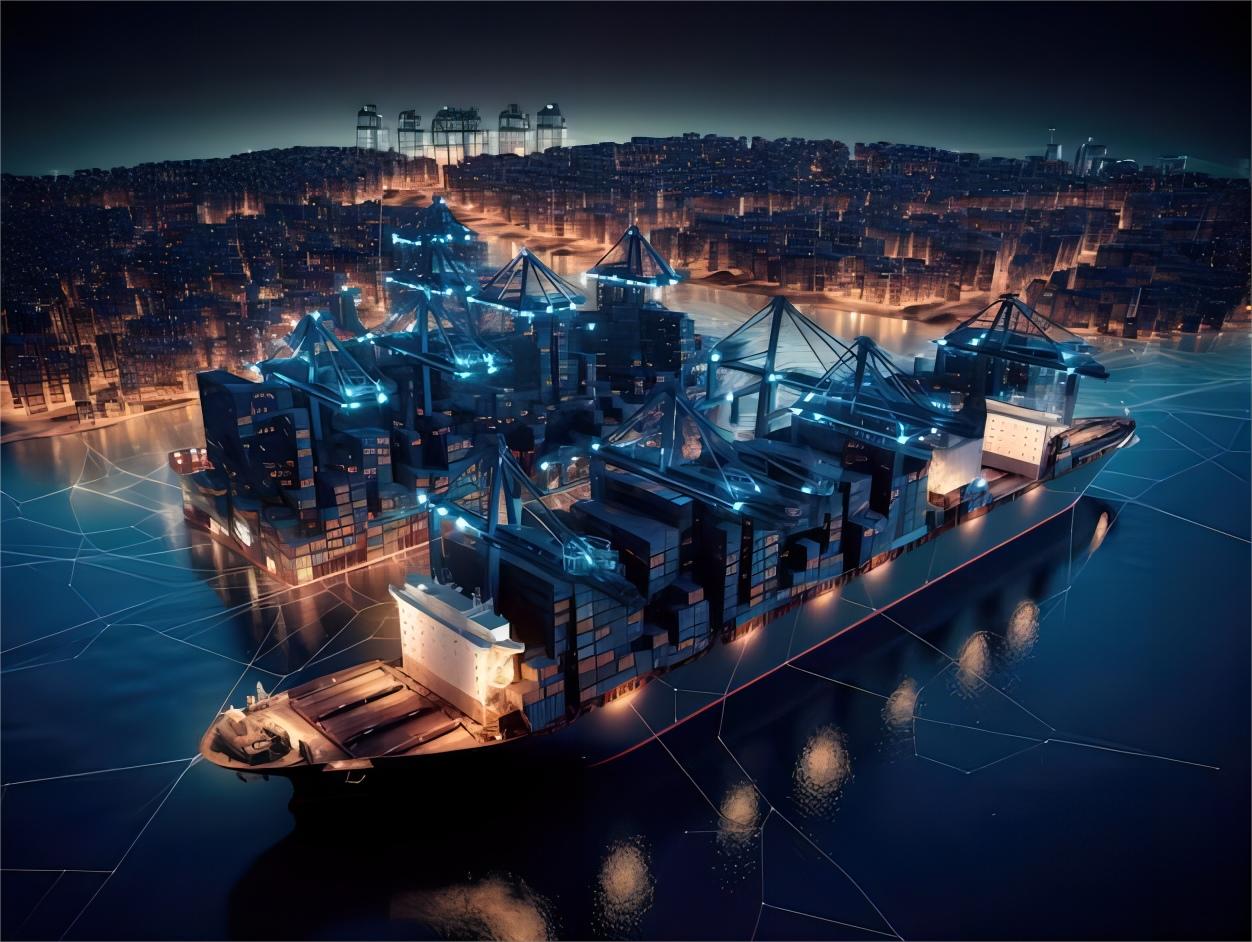
Shipping goods via sea freight from China involves several crucial steps, from booking to final delivery. Understanding this process can help you prepare necessary documentation and avoid potential delays. Consequently, a well-managed process ensures a smoother supply chain.
Initially, you must select a reliable freight forwarder and decide between FCL or LCL based on your cargo volume. Subsequently, booking vessel space and preparing your goods for shipment are next. This includes proper packaging and labeling to meet international standards.
Crucially, customs clearance is a significant hurdle that requires meticulous attention to detail. Proper documentation, including commercial invoices, packing lists, and bills of lading, is essential for smooth processing. Engaging a professional customs brokerage service can prevent costly delays and ensure compliance with import/export regulations.
Real-World Scenarios: Case Studies in Sea Freight from China
Examining actual shipping scenarios provides valuable insights into the practicalities and challenges of sea freight from China. These case studies highlight how different factors influence cost, transit time, and overall logistics. They demonstrate various strategies for successful cargo handling.
Note: Freight rates are subject to change based on fuel costs, carrier capacity, and seasonal demand. Contact us for a current quote tailored to your specific shipment.
Case Study 1: Apparel Import to the USA West Coast
A medium-sized apparel retailer needed to import a significant volume of clothing from China to their distribution center in California. They prioritized cost-efficiency over speed, making sea freight the ideal choice. The cargo was consolidated from multiple suppliers in Shenzhen.
| Detail | Description |
|---|---|
| Route | Shenzhen, China -> Los Angeles, USA |
| Cargo | Apparel (textiles), 55 CBM, 8,000 kg |
| Container | 40HQ (Full Container Load) |
| Shipping Details | |
| – Carrier/Service | COSCO |
| – Port of Loading | Yantian, Shenzhen |
| – Port of Discharge | Port of Los Angeles |
| – Route Type | Direct |
| Cost Breakdown (Based on Q4 2024 rates) | |
| – Ocean Freight | $3,200 |
| – Origin Charges (THC, documentation) | $450 |
| – Destination Charges | $600 |
| – Customs & Duties (estimated) | $1,800 |
| – Total Landed Cost | $6,050 |
| Timeline | |
| – Booking to Loading | 5 days |
| – Sea Transit | 16 days |
| – Customs Clearance | 3 days |
| – Total Door-to-Port | 24 days |
| Key Insight | Direct route helped minimize transit time. Early booking during peak season mitigated rate increases. |
Case Study 2: Industrial Components to Europe
An industrial machinery manufacturer in Germany required regular shipments of specialized components from Shanghai. Consistency and reliability were key, as production schedules depended on timely deliveries. They opted for LCL due to varying component volumes per shipment.
| Detail | Description |
|---|---|
| Route | Shanghai, China -> Hamburg, Germany |
| Cargo | Machinery components, 8 CBM, 2,500 kg |
| Container | LCL 8 CBM |
| Shipping Details | |
| – Carrier/Service | Maersk (via freight consolidator) |
| – Port of Loading | Shanghai Port |
| – Port of Discharge | Port of Hamburg |
| – Route Type | Transshipment via Singapore |
| Cost Breakdown (Typical rates as of early 2025) | |
| – Ocean Freight | $640 ($80/CBM) |
| – Origin Charges (THC, documentation) | $380 |
| – Destination Charges | $520 |
| – Customs & Duties (estimated) | $700 |
| – Total Landed Cost | $2,240 |
| Timeline | |
| – Booking to Loading | 7 days |
| – Sea Transit | 32 days |
| – Customs Clearance | 4 days |
| – Total Door-to-Port | 43 days |
| Key Insight | LCL allowed flexibility for smaller, regular shipments. Transshipment added a few days but offered better rate stability. |
Case Study 3: Furniture Export to Australia
A furniture wholesaler in Sydney needed to import several containers of flat-pack furniture from Qingdao. Their main goal was to achieve the lowest possible unit cost for their large volume orders. They utilized FCL for maximum efficiency.
| Detail | Description |
|---|---|
| Route | Qingdao, China -> Sydney, Australia |
| Cargo | Flat-pack furniture, 68 CBM, 12,000 kg |
| Container | 40HQ (Full Container Load) |
| Shipping Details | |
| – Carrier/Service | OOCL |
| – Port of Loading | Qingdao Port |
| – Port of Discharge | Port Botany, Sydney |
| – Route Type | Direct |
| Cost Breakdown (Based on Q3 2024 market rates) | |
| – Ocean Freight | $1,800 |
| – Origin Charges (THC, documentation) | $380 |
| – Destination Charges | $450 |
| – Customs & Duties (estimated) | $1,000 |
| – Total Landed Cost | $3,630 |
| Timeline | |
| – Booking to Loading | 6 days |
| – Sea Transit | 15 days |
| – Customs Clearance | 2 days |
| – Total Door-to-Port | 23 days |
| Key Insight | Direct route and FCL ensured competitive pricing and relatively fast transit for the Australia market. |
Optimizing Your Sea Freight Strategy for Cost and Efficiency
To truly maximize the benefits of sea freight from China, strategic planning is essential. Businesses can implement several approaches to reduce costs and improve delivery schedules. Therefore, proactive management of your logistics is key.
One effective strategy involves consolidating multiple smaller shipments into a single FCL shipment whenever possible. This can significantly reduce per-unit costs compared to LCL. Additionally, consider utilizing door-to-door services for seamless logistics, simplifying the entire process from origin to final destination.
Furthermore, engaging a freight forwarder specializing in specific services, such as Amazon FBA shipping, can offer tailored solutions. These services ensure compliance with stringent platform requirements, saving time and avoiding potential penalties. Always compare quotes from several providers to secure the best rates and services.
Market Insights and Future Trends in Sea Freight
The sea freight industry is dynamic, constantly influenced by global economic shifts, geopolitical events, and technological advancements. Staying informed about these trends is vital for businesses relying on sea freight from China. As of Q1 2025, freight rates from China to Europe have stabilized after the 2024 Red Sea disruptions, though vigilance remains.
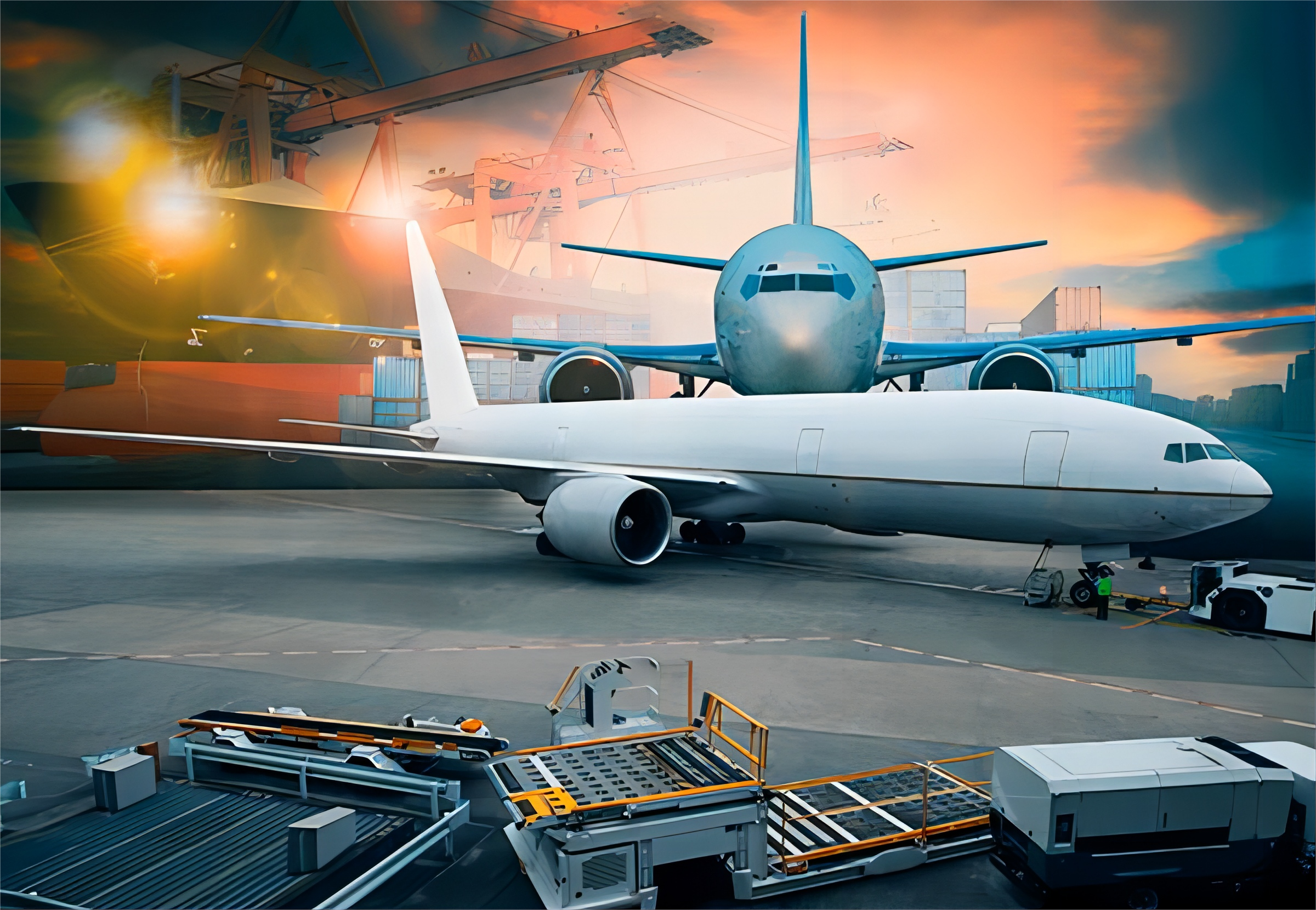
Industry data suggests continued investment in larger, more efficient vessels, which could further optimize shipping costs and capacity in the long term. Moreover, digitalization and enhanced tracking capabilities are becoming standard, offering greater transparency and control over your supply chain. These logistics trends are shaping the future of global trade.
Conclusion
In summary, sea freight from China offers an indispensable and economical solution for global trade, especially for bulk and non-urgent cargo. Understanding the various factors influencing costs, transit times, and the shipping process itself is crucial for effective supply chain management. By carefully planning and leveraging professional freight forwarding services, businesses can significantly optimize their import/export operations.
Ultimately, choosing the right strategy for your sea freight from China ensures both cost-effectiveness and reliability. Partnering with an experienced logistics provider can simplify this complex process, allowing you to focus on your core business while your goods move smoothly across oceans.
Ready to streamline your logistics?
Ready to optimize your sea freight from China? Contact China Top Freight today for a personalized consultation and a competitive quote. Our expert team is prepared to help you navigate complex logistics and ensure your shipments arrive efficiently and affordably. Let us streamline your supply chain.
Request Quote