

- By kelly
- September 25, 2025
- Logistics, Tips or Guide
Sea Freight in China: The Ultimate Guide for Global Importers
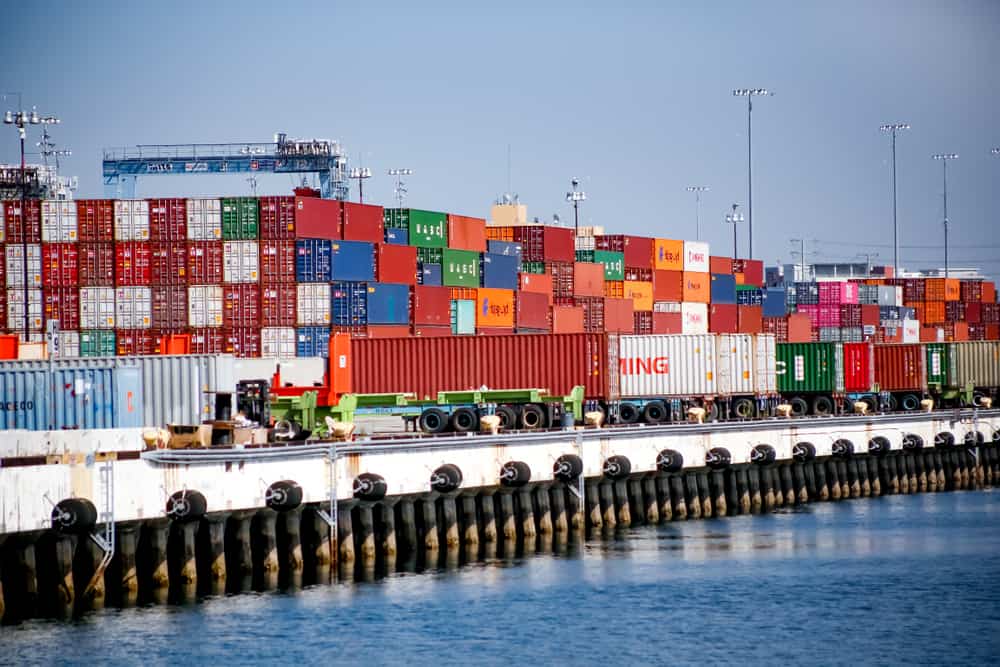
When managing international logistics, understanding sea freight in China is crucial for importers and exporters. China is the world’s largest manufacturing hub, and its extensive port infrastructure connects suppliers with markets worldwide. However, businesses often face challenges such as fluctuating shipping costs, customs clearance, and port congestion. This guide provides practical insights on costs, transit times, documentation, and strategies to streamline ocean freight operations.
1. Why Is Sea Freight in China So Important?
China’s logistics ecosystem is among the most advanced globally. Sea freight supports nearly 90% of its international trade volume, making it the backbone of global supply chains.
- Cost-effectiveness compared to air freight
- High capacity for bulk goods and oversized cargo
- Multiple port options across East, South, and North China
- Frequent sailings connecting to over 200 countries
Moreover, global companies rely on China’s maritime trade routes to sustain competitive sourcing and distribution strategies.
2. How Much Does Sea Freight in China Cost?
Costs vary depending on container size, destination, and seasonal surcharges.
| Shipping Option | Average Cost (USD) | Best For | Pros | Cons |
|---|---|---|---|---|
| FCL 20ft | $1,200–$2,000 | Medium cargo | Fixed pricing, safer | Requires full load |
| FCL 40ft | $2,000–$3,800 | Large cargo | Lower per-unit cost | Higher upfront |
| LCL (per CBM) | $80–$150 | Small shipments | Cost-sharing | Risk of delays |
Note: Prices fluctuate with oil prices, trade demand, and port congestion.
3. How Long Does Sea Freight in China Take?
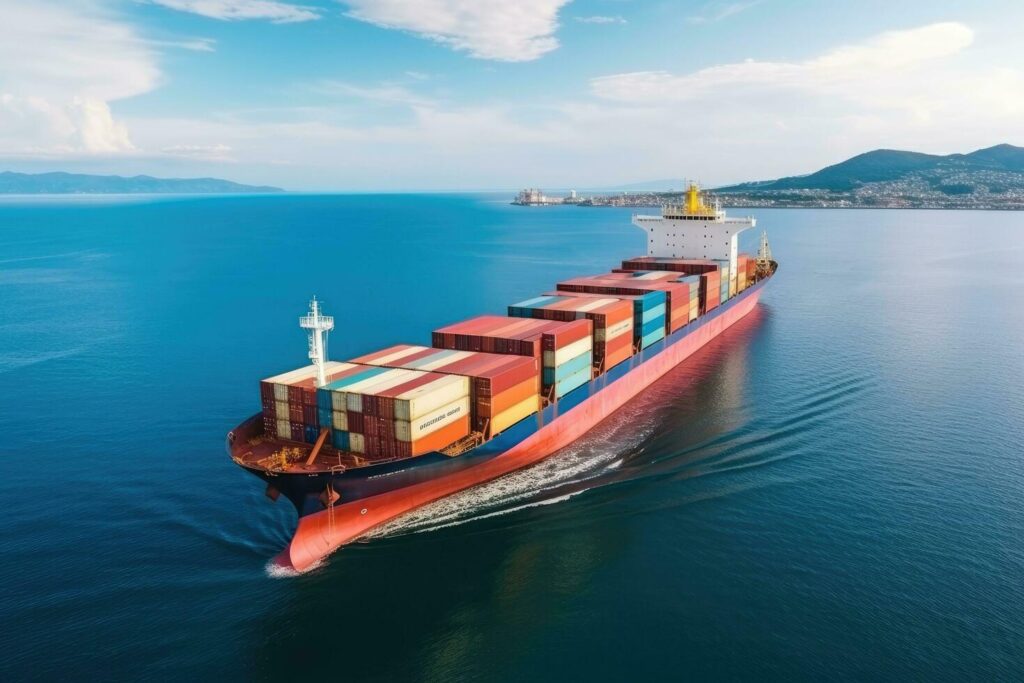
Transit times depend on the origin port and destination country.
| Route | Average Transit Time | Notes |
|---|---|---|
| Shanghai – Los Angeles | 15–20 days | Fast Pacific route |
| Shenzhen – Hamburg | 28–35 days | Europe-bound |
| Ningbo – Dubai | 15–22 days | Middle East hub |
| Qingdao – Lagos | 35–45 days | Africa-bound |
Therefore, businesses should plan shipments in advance to meet delivery schedules.
4. What Are the Major Ports for Sea Freight in China??
East China
- Shanghai Port – World’s largest container port.
- Ningbo-Zhoushan Port – High cargo capacity, competitive rates.
South China
- Shenzhen Port – Key hub for electronics exports.
- Guangzhou (Nansha) Port – Central in Pearl River Delta logistics.
North China
- Qingdao Port – Vital for bulk and industrial exports.
- Tianjin Port – Gateway to northern China markets.
5. What Types of Containers Are Used in Sea Freight?
| Container Type | Dimension | Usage |
|---|---|---|
| 20ft Standard | 33 CBM | Small to medium cargo |
| 40ft Standard | 67 CBM | Large shipments |
| 40ft High Cube | 76 CBM | Lightweight, bulky goods |
| Reefer Container | Temp-controlled | Food, pharmaceuticals |
| Open-Top | Oversized goods | Machinery |
This flexibility allows importers to match cargo type with the right container.
6. FCL vs LCL: Which Should You Choose?
Full Container Load (FCL)
- Ideal for shipments exceeding 15–20 CBM
- Faster transit and safer handling
- Lower cost per unit
Less than Container Load (LCL)
- Suitable for small volumes
- Cheaper upfront cost
- Longer consolidation and customs times
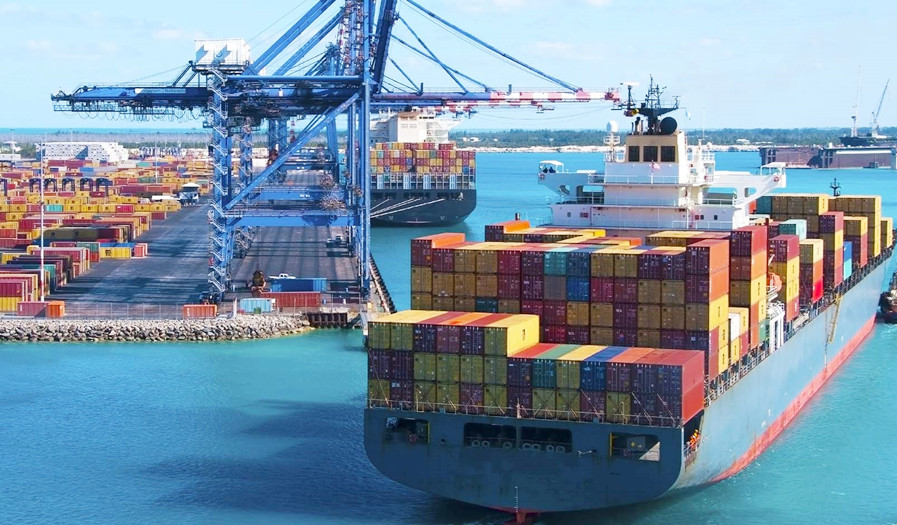
7. Customs Clearance for Sea Freight in China
Documentation accuracy is essential to avoid delays.
| Document | Purpose |
|---|---|
| Bill of Lading (B/L) | Proof of shipment & ownership |
| Commercial Invoice | Declares value & HS codes |
| Packing List | Detailed cargo breakdown |
| Certificate of Origin | Determines tariffs |
| Customs Declaration | Required for export/import |
Moreover, exporters must comply with both Chinese and destination country regulations.
8. Sea Freight vs Air and Rail Freight
| Mode | Transit Time | Cost | Best For |
|---|---|---|---|
| Sea Freight | 15–45 days | Low | Bulk, non-urgent cargo |
| Air Freight | 3–7 days | High | Urgent, high-value goods |
| Rail Freight | 12–25 days | Medium | Eurasian routes, faster than sea |
Therefore, sea freight remains the most economical option for large-scale imports.
9. What Factors Affect Sea Freight Costs in China?
- Fuel prices and bunker surcharges
- Seasonal demand (peak shipping before holidays)
- Port congestion causing delays
- Container availability shortages increasing rates
- Customs duties and tariffs in destination countries
Importers can manage costs by booking early and consolidating shipments.
10. How to Reduce Sea Freight Costs from China?
- Plan shipments early to avoid peak season surcharges
- Use FCL for large volumes to lower unit costs
- Work with freight forwarders for negotiated rates
- Choose nearest ports to reduce inland trucking fees
- Leverage long-term contracts for price stability
11. Common Challenges in Sea Freight in China
- Port congestion in Shanghai and Shenzhen
- Unpredictable freight rates due to global demand
- Customs delays from inaccurate paperwork
- Cargo risks in LCL shipments
However, partnering with experienced logistics providers can minimize these risks.
📦Get a Free Quote
Partnering with a reliable forwarder for sea freight in China ensures cost savings, smooth customs clearance, and timely deliveries. Contact us today to receive a free shipping quote and optimize your logistics process.
❓ Frequently Asked Questions
Q1: How much does sea freight in China cost?
Costs range from $1,200–$2,000 for a 20ft container and $2,000–$3,800 for a 40ft container, while LCL averages $80–$150/CBM.
Q2: How long does sea freight from China take?
Transit time varies between 15 and 45 days depending on origin port, destination country, and shipping line schedules.
Q3: Which ports in China are most important for exports?
Shanghai, Shenzhen, Ningbo, Qingdao, and Tianjin are the busiest ports, covering most global trade routes.
Q4: Can I ship small cargo using sea freight in China?
Yes. LCL shipping allows small shipments to share a container, but it involves more handling and longer transit times.
Q5: What documents are required for sea freight in China?
Key documents include Bill of Lading, Commercial Invoice, Packing List, Certificate of Origin, and Customs Declaration.
Conclusion
In conclusion, sea freight in China is the most practical and cost-effective solution for global trade. Although it takes longer than air freight, it offers unmatched affordability and capacity for bulk cargo. By understanding costs, transit times, documentation, and port options, businesses can optimize their supply chains. Partnering with a professional freight forwarder ensures efficiency, compliance, and reliable delivery, strengthening your global import-export operations.