Understanding sea freight rates China is essential for businesses importing goods globally. While sea freight is the most cost-effective method, importers often face challenges like fluctuating container prices, port congestion, and customs delays. This guide covers container costs, transit times, required documents, and strategies to reduce expenses when shipping from China.
1. What Are Sea Freight Rates from China?
Sea freight rates represent the total cost of shipping cargo via ocean transport from China to destinations worldwide. Rates vary depending on container size, destination, shipping season, and fuel surcharges. Moreover, global demand heavily influences costs, especially during peak seasons like August–November.
2. How Much Do Sea Freight Rates from China Cost?
Average rates are influenced by container size and shipping lane.
Shipping Option
Average Cost (USD)
Best For
Pros
Cons
FCL 20ft
$1,200–$2,200
Medium cargo
Fixed price, secure
Requires full load
FCL 40ft
$2,200–$3,800
Large cargo
Lower unit cost
Higher upfront
LCL (per CBM)
$80–$150
Small shipments
Flexible, cost-sharing
Slower, handling risk
Note: Rates fluctuate weekly due to oil prices, container shortages, and market demand.
3. Which Factors Affect Sea Freight Rates in China?
Several variables impact ocean freight costs:
Container size (20ft, 40ft, high cube, reefer)
Trade lane demand (Asia–USA vs Asia–Europe)
Port congestion delays increasing charges
Fuel and bunker surcharges
Customs duties and taxes at destination
Therefore, businesses should monitor logistics trends and plan shipments accordingly.
4. How Long Does Sea Freight from China Take?
Transit times differ by destination port.
Route
Average Transit Time
Notes
Shanghai – Los Angeles
15–20 days
Fast Pacific route
Ningbo – New York
28–35 days
East Coast shipments
Shenzhen – Hamburg
30–40 days
Europe-bound
Qingdao – Dubai
15–22 days
Middle East hub
Guangzhou – Lagos
35–45 days
Africa-bound
Planning ahead ensures delivery schedules align with supply chain demands.
5. What Are the Major Ports for Sea Freight in China?
Shanghai Port – World’s busiest container port
Shenzhen Port – Key for electronics and consumer goods
Ningbo-Zhoushan Port – Competitive rates for bulk shipments
Qingdao Port – Northern hub for manufacturing exports
Guangzhou (Nansha) Port – Central to Pearl River Delta trade
6. FCL vs LCL: Which Shipping Option Is Better?
Full Container Load (FCL)
Suitable for volumes above 15–20 CBM
Faster customs clearance
Safer, as cargo isn’t mixed
Less than Container Load (LCL)
Best for smaller volumes
Lower upfront cost
Additional handling may cause delays
7. Which Documents Are Required for Sea Freight from China?
Accurate paperwork ensures smooth customs clearance.
Document
Purpose
Bill of Lading (B/L)
Proof of shipment & ownership
Commercial Invoice
Declares value & HS Code
Packing List
Describes shipment details
Certificate of Origin
Determines tariffs
Customs Declaration
Mandatory for exports/imports
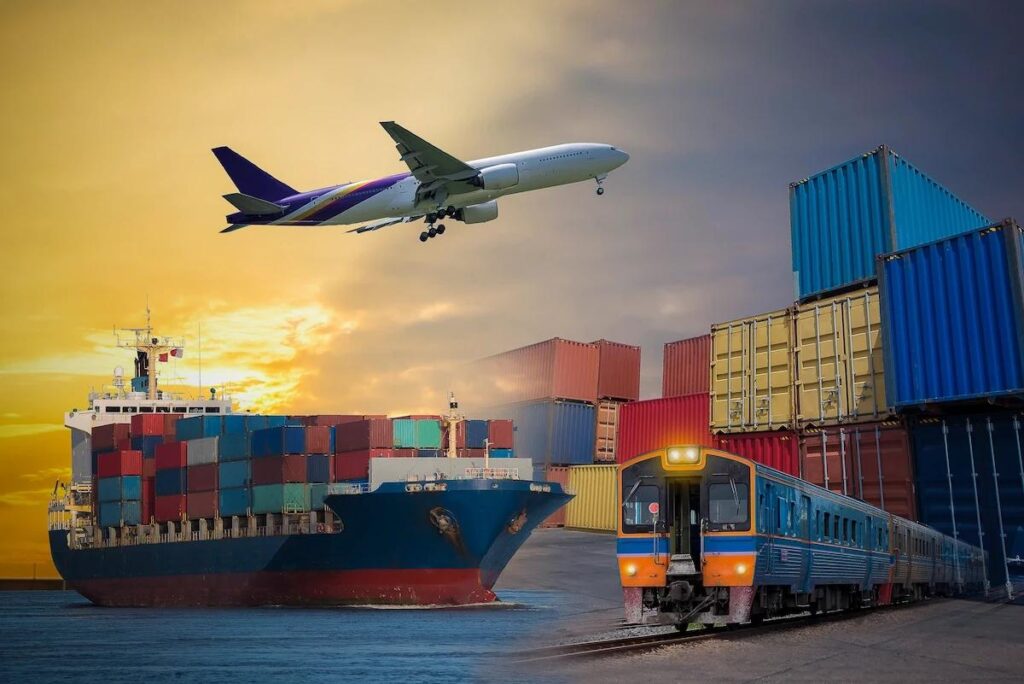
8. How Do Sea Freight Rates Compare with Other Modes?
Therefore, sea freight remains the best balance of cost and capacity.
9. How to Reduce Sea Freight Rates from China?
Book in advance to avoid peak surcharges
Use FCL for larger shipments to cut costs
Work with freight forwarders for negotiated rates
Consolidate shipments to optimize LCL costs
Choose nearest ports to reduce inland trucking fees
10. What Challenges Do Importers Face with Sea Freight from China?
Port congestion in Shanghai and Los Angeles
Freight rate volatility linked to global demand
Customs clearance delays from incomplete documents
Container shortages raising costs
However, these risks can be managed through careful planning and logistics partnerships.
📦Get a Free Quote
Working with a trusted forwarder ensures you get competitive sea freight rates China, faster customs clearance, and reliable supply chain support. Contact us today for a free quote tailored to your shipping needs.
Q1: How much are average sea freight rates from China?
A 20ft container costs $1,200–$2,200, a 40ft container costs $2,200–$3,800, and LCL averages $80–$150 per CBM.
Q2: How long does sea freight from China take?
Transit usually takes 15–45 days depending on the route, shipping line, and destination port.
Q3: Can I ship small goods via sea freight from China?
Yes. LCL shipping allows small cargo to share container space, although it involves longer handling times.
Q4: Which ports are busiest for sea freight in China?
Shanghai, Shenzhen, Ningbo, Qingdao, and Guangzhou handle most global exports and are China’s key shipping gateways.
Q5: What documents are needed for sea freight?
Importers need a Bill of Lading, Commercial Invoice, Packing List, Certificate of Origin, and Customs Declaration.
Conclusion
In summary, sea freight rates China remain the most cost-effective option for global trade. Although transit times are longer, the affordability, container options, and scalability make it the best choice for importers. By understanding container costs, required documents, and customs regulations, businesses can reduce risks and save money. Partnering with a professional freight forwarder ensures smooth logistics, competitive pricing, and efficient supply chain management.