

Sea Freight Rates from China to Pakistan: Your Ultimate Guide
“Navigating international shipping can be complex, especially when considering sea freight rates from China to Pakistan. Understanding the variables involved is crucial for efficient import/export operations. This comprehensive guide will illuminate the factors impacting your shipping costs and transit times, helping you make informed decisions for your supply chain.”
What Factors Influence Sea Freight Rates from China to Pakistan?
❖Several key elements collectively determine the final sea freight rates from China to Pakistan. Primarily, these include the volume and weight of your cargo, the type of container used, and the specific ports of origin and destination. Understanding these components is essential for accurate cost estimation.
Moreover, market dynamics play a significant role. Seasonal demand, fuel prices, and global shipping capacity fluctuations can lead to considerable variations in freight rates. Consequently, booking during off-peak seasons or securing long-term contracts might offer more stable pricing.
Additionally, ancillary charges contribute to the overall cost. These often include terminal handling charges (THC), documentation fees, and customs clearance charges in both China and Pakistan. Therefore, it is important to account for all potential fees to avoid unexpected expenses.
Understanding Container Types and Their Impact on Costs
❖The choice of container significantly affects your sea freight rates from China to Pakistan. Full Container Load (FCL) shipping involves reserving an entire container, typically a 20-foot or 40-foot unit, exclusively for your goods. This option is generally more cost-effective for larger volumes.
Conversely, Less than Container Load (LCL) is ideal for smaller shipments that do not fill an entire container. With LCL, your cargo shares space with other consignments, and costs are calculated based on volume or weight. While often cheaper for small quantities, LCL can sometimes involve longer transit times due to consolidation and deconsolidation processes.
Indeed, specialized containers like open-top, flat rack, or refrigerated (reefer) containers are available for unique cargo requirements. However, these specialized options typically come with higher costs compared to standard dry containers. Always assess your cargo’s specific needs before selecting a container type.
| Container Type | Dimensions (LxWxH) | Approx. Capacity | Best For |
|---|---|---|---|
| 20-foot GP | 6.1m x 2.44m x 2.59m | 33 CBM | Small to medium cargo, heavy goods |
| 40-foot GP | 12.2m x 2.44m x 2.59m | 67 CBM | Larger, lighter cargo volumes |
| 40-foot HQ | 12.2m x 2.44m x 2.89m | 76 CBM | Bulky, light cargo needing extra height |
| LCL Cargo | Variable | Under 15 CBM | Small shipments, samples |
Typical Transit Times for Sea Cargo from China to Pakistan
❖Transit times for sea freight from China to Pakistan generally range from 15 to 25 days, depending on the specific ports and carrier routes. Direct services, for instance, are faster but might be less frequent or slightly more expensive. Major ports like Shanghai, Ningbo, and Shenzhen in China often connect to Karachi Port and Port Qasim in Pakistan.
However, several factors can influence these transit times. These include weather conditions, port congestion, customs clearance procedures, and the specific shipping line’s schedule. Consequently, it is always advisable to factor in potential delays when planning your shipments.
Furthermore, choosing a reliable freight forwarder can significantly streamline the process. They can provide accurate estimates and manage unforeseen circumstances effectively. Planning ahead, especially during peak seasons, helps to mitigate potential delays and ensure timely delivery.

Customs Clearance and Documentation for Imports to Pakistan
❖Efficient customs clearance is paramount for smooth imports from China to Pakistan. Importers must possess a valid National Tax Number (NTN) and Sales Tax Registration Number (STRN). Proper documentation is essential to avoid delays and potential penalties.
Key documents typically required include the Commercial Invoice, Packing List, Bill of Lading (BL), Certificate of Origin, and Import Declaration (Goods Declaration – GD). Moreover, certain goods may require additional permits or certifications, such as health certificates for food items or safety approvals for electronics.
Therefore, engaging a professional customs brokerage service is highly recommended. They can navigate the complexities of Pakistani customs regulations, ensuring compliance and expediting the clearance process. This proactive approach helps in managing import duties from China to Pakistan effectively.
| Document | Purpose | Issuing Party |
|---|---|---|
| Commercial Invoice | Details of goods, value, seller/buyer | Exporter |
| Packing List | Itemized list of goods, packaging details | Exporter |
| Bill of Lading (BL) | Contract of carriage, title to goods | Carrier/Freight Forwarder |
| Certificate of Origin | Proof of country of manufacture | Chamber of Commerce (China) |
| Import Declaration (GD) | Declaration to Pakistan Customs | Importer/Customs Broker |
Real-World Case Studies: Sea Freight from China to Pakistan
❖Examining real case studies provides practical insights into managing sea freight from China to Pakistan. These examples highlight typical scenarios, costs, and timelines, offering a clearer picture of what to expect. Rates are based on Q4 2024 / Q1 2025 market conditions, subject to change.
Case Study 1: Garment Accessories for a Textile Manufacturer
This case involves a Pakistani textile manufacturer importing garment accessories (buttons, zippers, fabric rolls) from a supplier in Guangzhou.
| Detail | Description |
|---|---|
| Route | Guangzhou, China -> Karachi, Pakistan |
| Cargo | Garment Accessories, 12 CBM, 4,500 kg |
| Container | LCL 12 CBM |
| Shipping Details | Major carrier, Port of Loading: Nansha, Port of Discharge: Karachi, Route Type: Direct |
| Cost Breakdown | |
| – Ocean Freight | $850 |
| – Origin Charges (THC, documentation) | $180 |
| – Destination Charges | $220 |
| – Customs & Duties (estimated) | $450 |
| – Total Landed Cost | $1,700 |
| Timeline | |
| – Booking to Loading | 5 days |
| – Sea Transit | 18 days |
| – Customs Clearance | 4 days |
| – Total Door-to-Port | 27 days |
| Key Insight | LCL was cost-effective for this volume. Efficient documentation ensured quick customs clearance at Karachi Port. |
Case Study 2: Electronics Components for an Assembly Plant
An electronics assembly plant in Lahore imported sensitive electronic components from Shenzhen, requiring careful handling and faster transit than typical LCL.
| Detail | Description |
|---|---|
| Route | Shenzhen, China -> Port Qasim, Pakistan |
| Cargo | Electronic Components, 40HQ container |
| Container | 40HQ |
| Shipping Details | Carrier: MSC, Port of Loading: Shenzhen, Port of Discharge: Port Qasim, Route Type: Direct |
| Cost Breakdown | |
| – Ocean Freight | $2,100 |
| – Origin Charges (THC, documentation) | $350 |
| – Destination Charges | $400 |
| – Customs & Duties (estimated) | $1,200 |
| – Total Landed Cost | $4,050 |
| Timeline | |
| – Booking to Loading | 7 days |
| – Sea Transit | 20 days |
| – Customs Clearance | 5 days |
| – Total Door-to-Port | 32 days |
| Key Insight | FCL provided security and direct transit. The slightly longer customs clearance was due to specific product certifications. |
Case Study 3: Industrial Machinery for a New Factory
This shipment involved heavy industrial machinery for a new factory setup near Faisalabad, requiring robust logistics planning.
| Detail | Description |
|---|---|
| Route | Qingdao, China -> Karachi, Pakistan |
| Cargo | Industrial Machinery, 20GP container |
| Container | 20GP |
| Shipping Details | Carrier: COSCO, Port of Loading: Qingdao, Port of Discharge: Karachi, Route Type: Transshipment via Singapore |
| Cost Breakdown | |
| – Ocean Freight | $1,950 |
| – Origin Charges (THC, documentation) | $300 |
| – Destination Charges | $380 |
| – Customs & Duties (estimated) | $1,500 |
| – Total Landed Cost | $4,130 |
| Timeline | |
| – Booking to Loading | 6 days |
| – Sea Transit | 28 days |
| – Customs Clearance | 6 days |
| – Total Door-to-Port | 40 days |
| Key Insight | Transshipment routes can be more economical but add a few days to transit. Heavy cargo in a 20GP is a common and efficient choice. |
How Does Sea Freight Compare to Other Shipping Options?
❖While sea freight offers unparalleled cost-effectiveness for large volumes, it is not the only option for shipping from China to Pakistan. Understanding alternatives like air freight and express services is vital for optimizing your supply chain based on specific needs. Each method presents distinct advantages and disadvantages.
Moreover, hybrid solutions or a combination of services can offer a balanced approach. For example, urgent small components might go via air, while bulk raw materials travel by sea. This strategic mix helps manage both costs and delivery schedules effectively.
Ultimately, the best choice depends on your priorities: speed, cost, cargo type, and volume. Therefore, a thorough comparison is necessary to make an informed decision for your specific import/export requirements.
| Shipping Method | Cost Range (per kg/CBM) | Transit Time | Best For | Limitations |
|---|---|---|---|---|
| Sea Freight (FCL) | $0.05 – $0.15/kg | 15-25 days | Large volumes, heavy goods, non-urgent shipments | Slower transit, port congestion risks |
| Sea Freight (LCL) | $0.10 – $0.30/kg | 20-30 days | Smaller volumes (under 15 CBM), cost-conscious | Longer consolidation times, potential for delays |
| Air Freight | $3.00 – $8.00/kg | 3-7 days | Urgent, high-value, perishable goods, samples | High cost, weight/volume restrictions |
| Express Service | $5.00 – $15.00/kg | 2-5 days | Very urgent, small parcels, documents, e-commerce | Highest cost, strict weight/size limits |
Which Shipping Option Should You Choose for Your Pakistan Imports?
❖Selecting the optimal shipping method requires a careful evaluation of your specific business needs. Consider your budget, the urgency of your shipment, the nature of your cargo, and its volume. This systematic approach ensures you choose the most efficient and economical solution.
If budget is your primary concern, and you are shipping large quantities of non-urgent goods, then FCL sea freight is undoubtedly the most economical option. Even for smaller, less time-sensitive shipments, LCL sea freight offers significant cost savings compared to air transport. Therefore, planning well in advance can help leverage these savings.
Conversely, if speed is paramount, especially for high-value items or time-critical components, air freight or express service will be more suitable. While more expensive, they drastically reduce transit times, which can be critical for maintaining production schedules or meeting market demands. For instance, electronics or fashion items often benefit from quicker delivery.
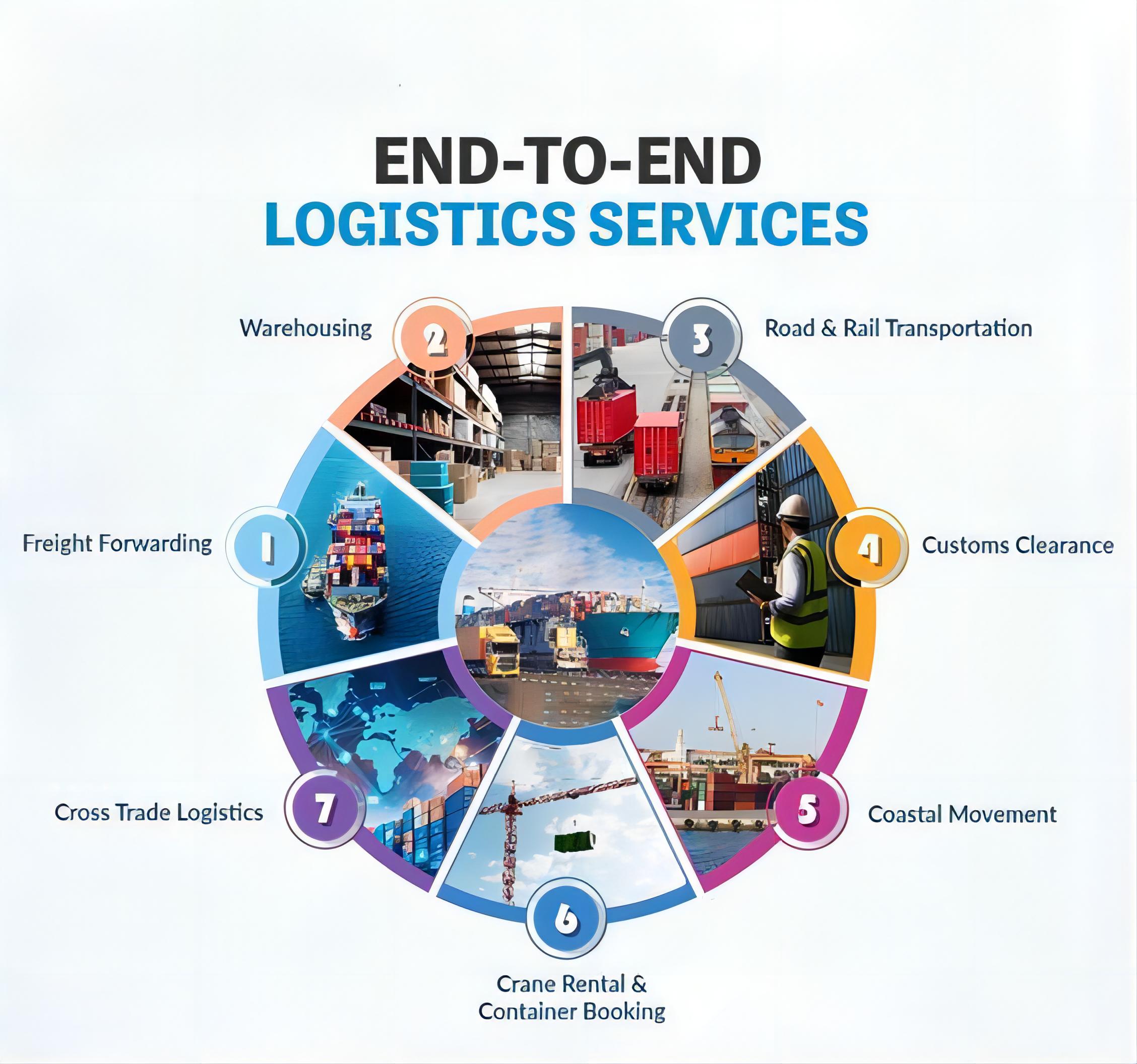
For cargo type considerations, specialized goods like chemicals or certain machinery might have specific requirements that dictate the shipping method. Furthermore, if you require comprehensive logistics, including warehousing and final delivery, a door-to-door shipping service can simplify the entire process, minimizing your operational burden. This holistic approach ensures seamless supply chain management.
Optimizing Your Sea Freight Strategy for Cost and Efficiency
❖To truly optimize your sea freight rates from China to Pakistan, a multi-faceted approach is necessary. Start by consolidating shipments whenever possible to maximize container utilization, thereby reducing per-unit shipping costs. This is particularly effective for businesses with regular, smaller orders.
Furthermore, building strong relationships with experienced freight forwarders like China Top Freight can provide access to better rates and more reliable services. They can offer competitive pricing and guide you through complex logistics. Their expertise in routes and regulations is invaluable.
Finally, consider implementing robust cargo insurance to protect your investment against unforeseen events during transit. While an additional cost, it provides financial security and peace of mind. Moreover, exploring Amazon FBA logistics services if you are an e-commerce seller can further streamline your supply chain, especially for direct-to-consumer models.
Your Reliable Partner for Sea Freight from China to Pakistan
Navigating the complexities of international shipping, particularly understanding sea freight rates from China to Pakistan, requires informed decisions. By considering factors like cargo volume, container type, transit times, and customs procedures, businesses can significantly optimize their logistics strategies.
Indeed, partnering with a knowledgeable freight forwarder is crucial for securing competitive rates and ensuring efficient, reliable delivery. This comprehensive approach not only saves costs but also enhances the overall efficiency of your supply chain, making your import process seamless and predictable.
Ready to streamline your logistics?
Ready to get a precise quote for your shipment? Contact China Top Freight today for competitive sea freight rates from China to Pakistan. Our experts are prepared to offer tailored logistics solutions and ensure a smooth shipping experience for your cargo.
Request Quote