

- By kelly
- September 25, 2025
- Logistics, Tips or Guide
Sea Freight Time from China to USA: Complete Importer’s Guide
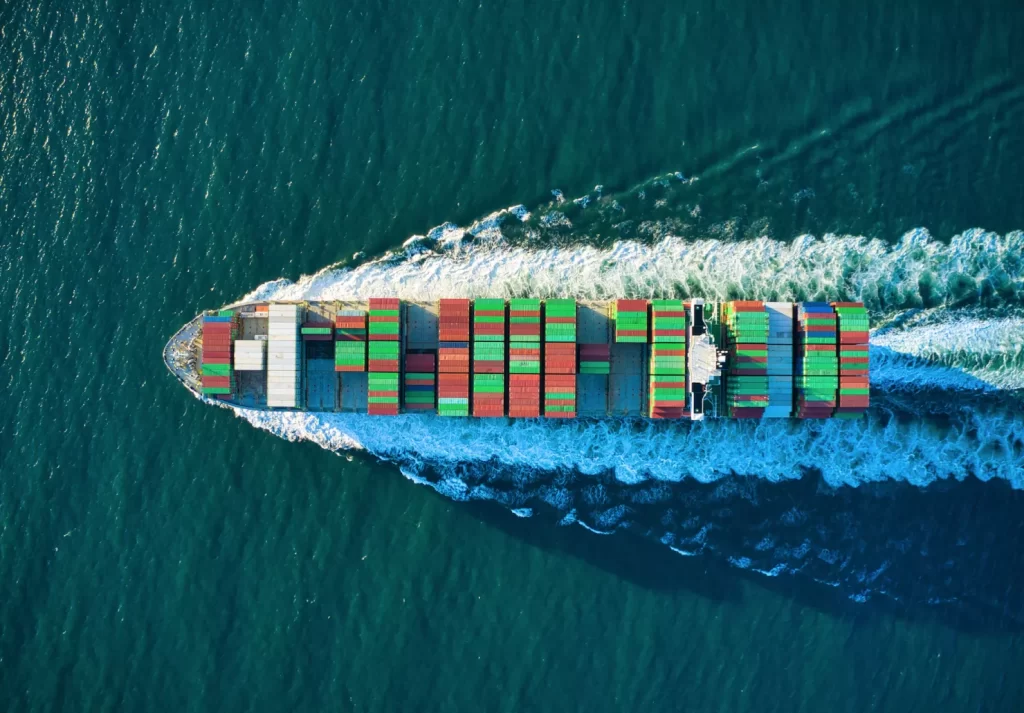
For businesses importing from Asia, understanding sea freight time from China to USA is essential to manage supply chains efficiently. Transit time impacts delivery schedules, inventory planning, and shipping costs. However, delays caused by port congestion, seasonal demand, or customs procedures often complicate logistics. This guide explains typical transit times, cost factors, port options, and strategies to optimize international shipping.
1. How Long Is Sea Freight Time from China to USA?
Shipping duration depends on origin and destination ports, as well as vessel routing.
| Route | Average Transit Time | Notes |
|---|---|---|
| Shanghai – Los Angeles | 15–20 days | Fastest Pacific route |
| Shenzhen – Long Beach | 16–22 days | Common for electronics |
| Ningbo – New York | 28–35 days | East Coast shipments |
| Qingdao – Houston | 25–30 days | Gulf Coast option |
| Guangzhou – Seattle | 18–22 days | Northern U.S. entry |
Although faster than rail, air freight is still much quicker, but at significantly higher cost.
2. What Factors Affect Sea Freight Time from China to USA?
Several variables can influence transit schedules:
- Port congestion in Los Angeles, Long Beach, or New York
- Weather conditions such as storms and typhoons
- Seasonal surges (August–November peak)
- Customs clearance delays
- Route choice (direct vs transshipment)
Therefore, importers must allow for buffer time in their planning.
3. How Do Sea Freight Costs Relate to Transit Time?
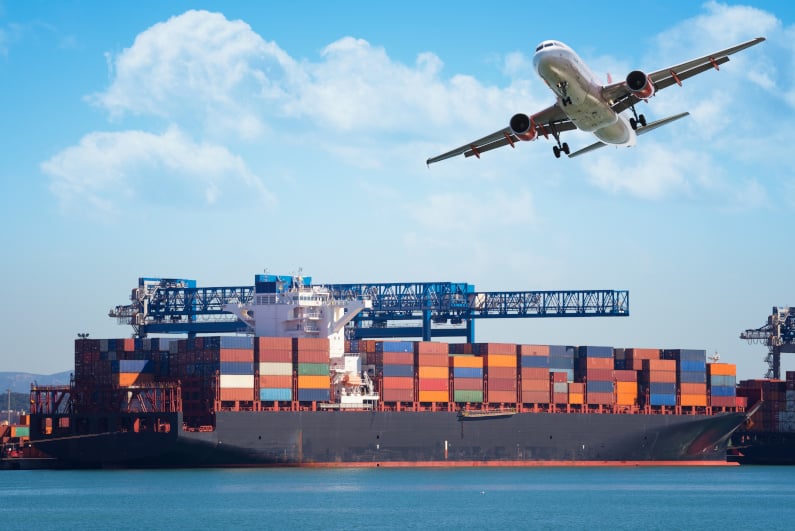
Quicker services often come with premium rates, while slower sailings may be cheaper.
| Shipping Method | Cost (USD) | Transit Time | Pros | Cons |
|---|---|---|---|---|
| FCL 20ft | $1,800–$3,200 | 15–30 days | Secure & fixed | Requires full load |
| FCL 40ft | $3,000–$5,000 | 15–30 days | Economical per unit | High upfront |
| LCL (per CBM) | $120–$180 | 20–40 days | Flexible & affordable | Longer handling |
| Expedited Sea | Higher | 12–18 days | Faster | Costlier |
4. Which Ports in China Handle Shipments to the USA?
- Shanghai Port – Largest container hub globally
- Shenzhen Port – Electronics and consumer goods exports
- Ningbo-Zhoushan Port – High volume and competitive rates
- Qingdao Port – Northern China’s gateway
- Guangzhou (Nansha) Port – Major Pearl River Delta port
5. Which U.S. Ports Receive Cargo from China?
- Los Angeles & Long Beach – Primary Pacific entry points
- New York/New Jersey – East Coast’s busiest container hub
- Houston – Strategic Gulf Coast port
- Seattle/Tacoma – Northern U.S. import centers
- Savannah – Growing East Coast alternative
6. FCL vs LCL: Does It Affect Sea Freight Time?
Full Container Load (FCL)
- Quicker clearance and shorter handling times
- Best for volumes above 15–20 CBM
- Safer with fewer delays
Less than Container Load (LCL)
- Longer due to consolidation and deconsolidation
- Cost-effective for small volumes
- More handling may lead to delays
7. What Documents Are Required for Sea Freight from China to USA?
| Document | Purpose |
|---|---|
| Bill of Lading (B/L) | Proof of shipment & ownership |
| Commercial Invoice | Declares product value |
| Packing List | Details shipment contents |
| Certificate of Origin | Determines tariffs |
| ISF Filing | Required before vessel departure |
| Customs Declaration | Mandatory for CBP entry |
8. Customs Duties & Import Regulations in the USA
Importers must comply with U.S. Customs and Border Protection (CBP) rules:
- Import Duties: Based on HS Code (0–37.5%)
- Merchandise Processing Fee (MPF): 0.3464% of shipment value
- Harbor Maintenance Fee (HMF): 0.125% of cargo value
- ISF Filing: Must be submitted 24 hours before departure
Failure to follow regulations may result in fines or shipment delays.
9. Sea Freight vs Air vs Rail Shipping Times
| Mode | Transit Time | Cost | Best For |
|---|---|---|---|
| Sea Freight | 15–35 days | Low | Bulk & containerized goods |
| Air Freight | 3–7 days | High | Urgent or high-value cargo |
| Rail Freight (China–US via Europe) | 20–25 days | Medium | Limited use, indirect |
| Courier/Express | 3–5 days | Very High | Small parcels & samples |
Thus, sea freight balances affordability with capacity, even if it takes longer.
10. How to Reduce Sea Freight Time from China to USA?
- Select direct sailings rather than transshipment routes
- Book early to avoid seasonal congestion
- Work with experienced freight forwarders for faster clearance
- Consolidate cargo efficiently for LCL shipments
- Ensure documentation accuracy to prevent customs delays
11. What Challenges Impact Sea Freight Transit Times?
- Congestion at Los Angeles and Long Beach ports
- Customs delays for incomplete paperwork
- Container shortages during peak demand
- Weather disruptions causing rerouting
Nevertheless, proactive planning helps mitigate these challenges.
📦Get a Free Quote
Working with a trusted logistics partner ensures efficient handling of sea freight time from China to USA, helping businesses minimize delays and improve supply chain performance. Contact our team today for a customized shipping solution.
❓ Frequently Asked Questions
Q1: How long is sea freight time from China to USA?
Transit usually takes 15–35 days depending on the shipping route, origin port, destination port, and carrier schedule.
Q2: Can sea freight time be reduced?
Yes. Using direct routes, booking early, and avoiding peak seasons can reduce delays significantly.
Q3: Which U.S. ports receive cargo from China?
Los Angeles, Long Beach, New York, Houston, Seattle, and Savannah are the primary ports handling imports.
Q4: What documents are required for shipping from China to USA?
Bill of Lading, Commercial Invoice, Packing List, Certificate of Origin, ISF Filing, and Customs Declaration are mandatory.
Q5: Is sea freight cheaper than air freight from China to USA?
Yes. Sea freight is significantly cheaper, although slower, making it best for bulk cargo shipments.
Conclusion
In summary, sea freight time from China to USA ranges from 15 to 35 days, depending on ports and shipping lines. While slower than air freight, sea transport remains the most affordable and scalable option for bulk cargo. By understanding routes, documentation, and customs rules, businesses can minimize delays. Partnering with freight forwarders ensures efficiency, compliance, and reliable shipping schedules.