

- By kelly
- September 25, 2025
- Logistics, Tips or Guide
Sea Freight Transit Time China to USA: Complete Importer’s Guide
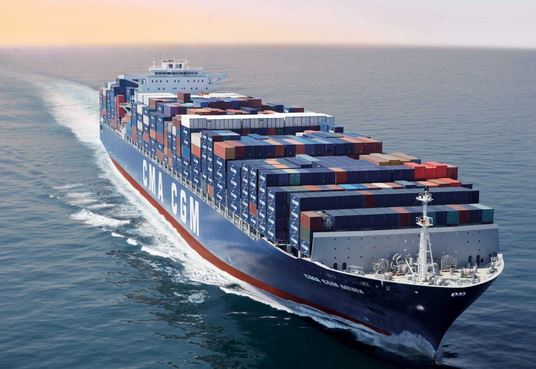
Managing global supply chains requires careful planning, and understanding sea freight transit time China to USA is essential for importers. Transit time affects delivery schedules, inventory management, and overall shipping costs. However, congestion at ports, customs checks, and seasonal surges can cause delays. This guide explains transit times, costs, documents, and strategies to make your shipping from China to the U.S. more reliable and cost-effective.
1. How Long Is Sea Freight Transit Time from China to USA?
Transit times vary depending on the origin and destination ports as well as carrier schedules.
| Route | Average Transit Time | Notes |
|---|---|---|
| Shanghai – Los Angeles | 15–20 days | Fastest Pacific route |
| Shenzhen – Long Beach | 16–22 days | Common for electronics |
| Ningbo – New York | 28–35 days | East Coast shipments |
| Qingdao – Houston | 25–30 days | Gulf Coast option |
| Guangzhou – Seattle | 18–22 days | Northern U.S. entry |
Although shipping time is predictable, importers should plan extra days for customs and inland transport.
2. What Factors Influence Sea Freight Transit Time from China to USA?
- Port congestion at Los Angeles, Long Beach, and New York
- Weather delays such as typhoons in Asia or storms in the Pacific
- Seasonal surges (holiday shipping between August–November)
- Customs clearance delays if documents are incomplete
- Direct vs transshipment routes
Therefore, importers should include buffer time in their supply chain planning.
3. How Much Does Sea Freight Cost Compared to Transit Time?
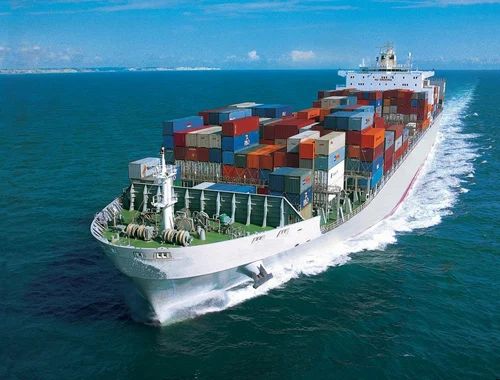
Faster routes often carry premium costs, while standard sailings are cheaper but slower.
| Shipping Method | Cost Range (USD) | Transit Time | Pros | Cons |
|---|---|---|---|---|
| FCL 20ft | $1,800–$3,200 | 15–30 days | Secure, fixed price | Requires full load |
| FCL 40ft | $3,000–$5,000 | 15–30 days | Lower unit cost | Higher upfront |
| LCL (per CBM) | $120–$180 | 20–40 days | Cost-sharing | Longer handling |
| Expedited Sea | Higher | 12–18 days | Faster delivery | More expensive |
4. Which Ports in China Are Best for Shipping to USA?
- Shanghai Port – World’s largest container hub
- Shenzhen Port – Ideal for electronics exports
- Ningbo-Zhoushan Port – Competitive for bulk cargo
- Qingdao Port – Northern China manufacturing exports
- Guangzhou (Nansha) Port – Central Pearl River Delta gateway
5. Which U.S. Ports Receive Cargo from China?
- Los Angeles & Long Beach – Main Pacific entry points
- New York/New Jersey – East Coast’s largest hub
- Houston – Key Gulf Coast port
- Seattle/Tacoma – Northern entry ports
- Savannah – Growing East Coast option
6. Does FCL or LCL Affect Transit Time?
Full Container Load (FCL)
- Faster clearance and shorter handling
- Best for shipments above 15–20 CBM
- Lower risk of delays
Less than Container Load (LCL)
- Longer transit due to consolidation and deconsolidation
- Affordable for small shipments
- More handling increases risk of delays
7. What Documents Are Needed for Sea Freight from China to USA?
| Document | Purpose |
|---|---|
| Bill of Lading (B/L) | Proof of shipment & ownership |
| Commercial Invoice | Declares product value |
| Packing List | Lists cargo contents |
| Certificate of Origin | Determines tariffs |
| ISF Filing | Required before departure |
| Customs Declaration | Mandatory for entry |
8. Customs Duties & Regulations in the USA
Importers must comply with U.S. Customs and Border Protection (CBP):
- Duties: Based on HS Codes (0–37.5%)
- Merchandise Processing Fee (MPF): 0.3464% of shipment value
- Harbor Maintenance Fee (HMF): 0.125% of cargo value
- ISF Filing: Must be submitted 24 hours before vessel loading
Failure to meet requirements often causes shipment delays.
9. How Does Sea Freight Transit Time Compare with Other Methods?
| Mode | Transit Time | Cost | Best For |
|---|---|---|---|
| Sea Freight | 15–35 days | Low | Bulk cargo |
| Air Freight | 3–7 days | High | Urgent shipments |
| Rail Freight (China–US via Europe) | 20–25 days | Medium | Indirect, limited |
| Courier/Express | 3–5 days | Very High | Small parcels |
Sea freight is slower but far more cost-efficient for large shipments.
10. How to Reduce Sea Freight Transit Time from China to USA?
- Choose direct routes instead of transshipment
- Work with freight forwarders to secure faster vessels
- Book early during peak seasons
- Ensure complete documentation to avoid customs delays
- Consolidate shipments efficiently for LCL
11. Common Challenges Importers Face
- Delays due to Los Angeles and New York congestion
- Freight rate volatility tied to demand
- Customs clearance issues from incomplete paperwork
- Container shortages during holiday seasons
Nevertheless, many of these risks can be reduced by using professional logistics partners.
📦Get a Free Quote
Partnering with a reliable logistics provider helps reduce sea freight transit time China to USA, minimize delays, and ensure cost-effective shipping. Contact us today to request a tailored shipping quote.
❓ Frequently Asked Questions
Q1: How long is sea freight transit time from China to USA?
Transit usually takes 15–35 days depending on ports, routes, and carrier schedules.
Q2: Can sea freight time be reduced?
Yes. Direct routes, accurate documents, and early booking reduce delays.
Q3: Which ports in China are best for U.S. shipments?
Shanghai, Shenzhen, Ningbo, Qingdao, and Guangzhou are the busiest.
Q4: Which U.S. ports receive Chinese imports?
Los Angeles, Long Beach, New York, Houston, Seattle, and Savannah handle the bulk of cargo.
Q5: What documents are required for U.S. customs clearance?
Bill of Lading, Commercial Invoice, Packing List, Certificate of Origin, ISF Filing, and Customs Declaration.
Conclusion
In conclusion, sea freight transit time China to USA typically ranges between 15 and 35 days depending on ports and routes. Although slower than air freight, sea shipping remains the most cost-effective and scalable option for bulk cargo. By understanding transit times, customs requirements, and port options, businesses can better plan their logistics. Partnering with a freight forwarder ensures compliance, reduces delays, and optimizes delivery schedules.