

Seamless 40HQ FCL Tracking: Toys from China to Florida
Importing toys from China to Florida demands meticulous planning. Reliable 40HQ FCL tracking for toys from China to Florida is essential for seamless operations. This guide offers insights into optimizing your toy imports, ensuring timely and cost-effective delivery. For comprehensive logistics solutions, visit China Top Freight.

What is 40HQ FCL Shipping and Why is it Ideal for Toys?
Full Container Load (FCL) shipping dedicates an entire container to your goods. A 40HQ (40-foot High Cube) container is often preferred for toy importers. It offers maximum volume for large shipments.
This method ensures your toys are isolated from other cargo. Consequently, it significantly reduces the risk of damage or misplacement during transit. This provides enhanced security and reliability for valuable products.
Ultimately, FCL is cost-effective per unit for bulk toy shipments. It streamlines the logistics process from origin to destination. This makes it ideal for substantial quantities of toys arriving in Florida.
Why is Reliable 40HQ FCL Tracking for Toys from China to Florida Essential?
Effective 40HQ FCL tracking for toys from China to Florida provides crucial supply chain visibility. Knowing your shipment’s exact location and status is vital. This helps manage inventory and customer expectations.
Furthermore, real-time cargo tracking allows prompt identification of potential delays. Early alerts enable quick decision-making, minimizing disruptions. This keeps your delivery schedule on track.
Indeed, timely toy delivery is critical, especially during peak seasons. Robust tracking systems offer peace of mind and improve operational efficiency. They ensure products arrive when needed most for your distribution in Florida.
The Journey: Navigating 40HQ FCL Shipping for Toys from China to Florida
Shipping toys from China to Florida involves complex, interconnected steps. Understanding each stage ensures successful import operations. The process spans from factory pickup to final delivery.
Initially, goods move from the factory to the Chinese loading port. They are inspected and carefully loaded into the 40HQ container. Proper loading prevents transit damage to children’s toys.
Subsequently, the container sails across the Pacific. Upon arrival in Florida, it clears customs and is delivered. Door-to-door services simplify this entire process for importers.
| Document | Purpose | Required For |
|---|---|---|
| Commercial Invoice | Details of goods, value, seller/buyer | All imports |
| Packing List | Itemized contents, weight, dimensions | All imports |
| Bill of Lading (B/L) | Contract between shipper and carrier | Sea freight |
| Children’s Product Certificate (CPC) | CPSC safety compliance | Children’s products |
| Customs Bond | Guarantees payment of duties/taxes | Imports > $2,500 |

Key Stages of Your FCL Toy Shipment
Booking and Preparation: Book your container and prepare essential documents. These include commercial invoices, packing lists, and bills of lading. Accuracy at this stage prevents future issues.
Origin Logistics: Cargo moves to the port (e.g., Shanghai, Shenzhen). It undergoes export customs clearance. The container is then loaded onto the vessel.
Ocean Transit: The vessel sails to Florida (e.g., Miami, Jacksonville). This is the longest leg of the journey. Monitoring vessel movements is key for transit time China to Florida FCL.
Destination Logistics: Upon arrival, the container clears US customs. It is then transported to your final destination. This final mile delivery is crucial for optimizing toy logistics.
Essential Documentation for Toy Imports
Importing toys into the US requires strict adherence to regulations. Indispensable documents include commercial invoice, packing list, and bill of lading. These are vital for smooth customs clearance.
Additionally, a Children’s Product Certificate (CPC) is mandatory for toys. This certifies compliance with CPSC safety standards. Proof of testing from a CPSC-accepted lab is often needed for importing children’s toys from China.
For complex customs procedures, professional customs brokerage services are highly recommended. They ensure accurate, compliant declarations. This prevents costly delays and penalties.
How Does 40HQ FCL for Toys Compare to Other Shipping Options?
Choosing the right shipping method is paramount for cost-effectiveness and timely delivery. While 40HQ FCL is excellent for large volumes, other options might suit different needs. Understanding these alternatives helps optimize your logistics strategy.
Consider the balance between speed, cost, and cargo volume. Each method offers distinct advantages and disadvantages. Evaluating these trade-offs is essential for making informed decisions regarding your toy imports to Florida.
| Shipping Method | Cost Range (40HQ/equivalent) | Transit Time | Best For | Limitations |
|---|---|---|---|---|
| FCL Sea Freight (40HQ) | $4,500 – $6,000 | 30-35 days | Large volume, cost-sensitive, non-urgent toys | Long transit, port congestion |
| LCL Sea Freight (per CBM) | $80 – $150 (per CBM) | 35-45 days | Smaller volumes (under 15-20 CBM), budget-conscious | More handling, potential delays |
| Air Freight | $25,000 – $40,000 (equivalent) | 5-7 days | Urgent, high-value, smaller volume toys | Very high cost, size restrictions |
| Hybrid (Sea-Air) | Varies (mid-range) | 15-20 days | Moderately urgent, mid-value goods | Complex coordination, less common |
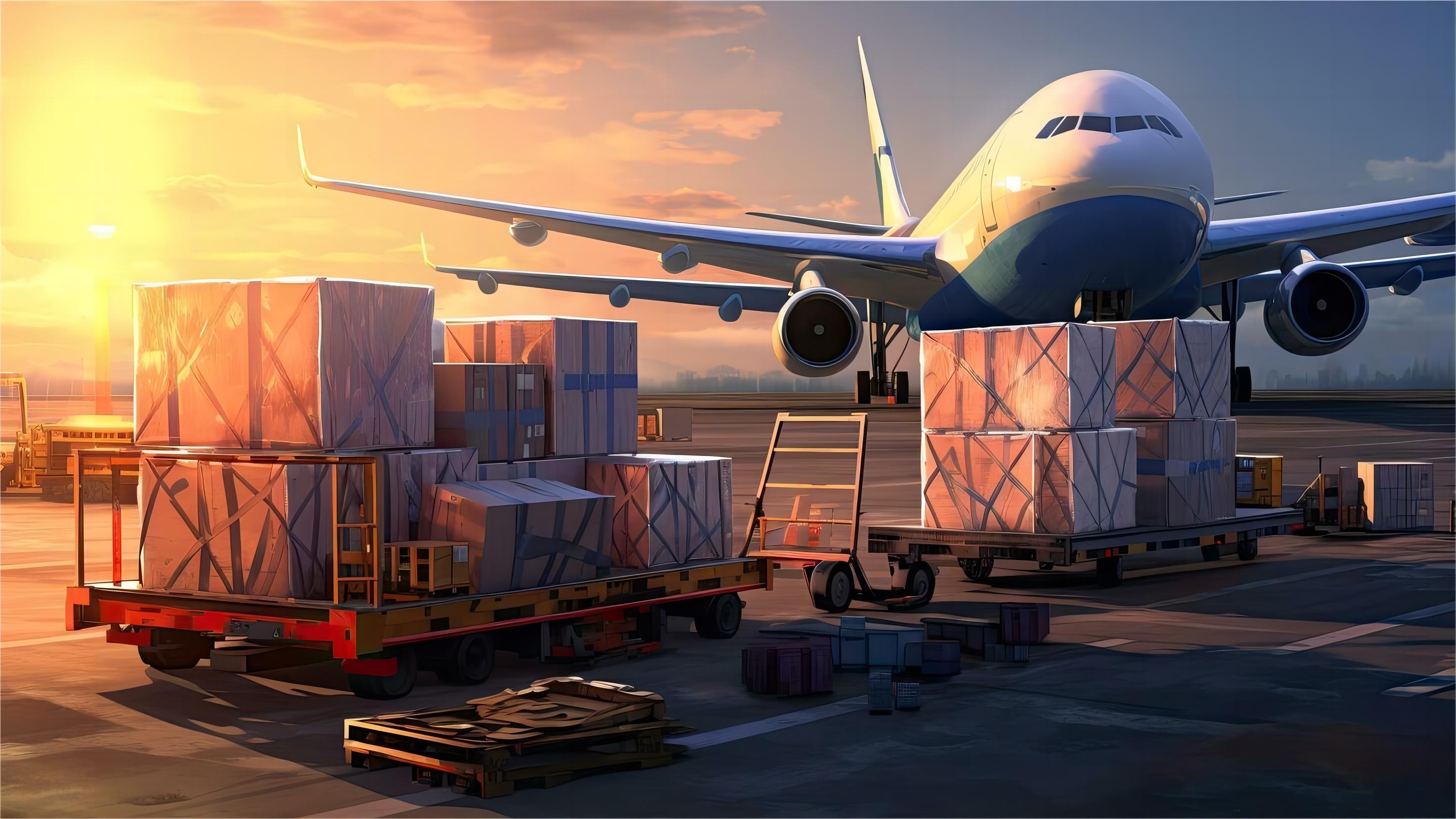
Sea Freight vs. Air Freight: Speed vs. Cost
Sea freight is typically the most economical option for shipping large quantities of toys. However, it comes with longer transit times, usually 30-35 days from China to Florida. This method is ideal for non-urgent, high-volume shipments.
Conversely, air freight offers significantly faster transit, often 5-7 days. While it provides speed, the cost can be substantially higher, especially for bulky items like toys. Air freight is best for urgent, smaller, or high-value toy shipments.
For instance, sea freight costs for a 40HQ to USA East might be $4,500-$6,000. Air freight for similar volume could easily exceed $25,000. This difference highlights planning for cost of FCL shipping China to Florida.
FCL vs. LCL: Volume and Flexibility
FCL (Full Container Load) shipping means your goods occupy an entire container. This is generally more cost-effective per unit for large volumes. It also reduces handling, thus lowering the risk of damage.
Alternatively, LCL (Less than Container Load) involves sharing container space with other shippers’ goods. For shipments under 15-20 CBM, LCL can be more economical. However, it often entails more handling and potentially longer transit times.
Direct Routes vs. Transshipment: Time and Cost Implications
Direct routes offer the fastest sea transit times, as the vessel travels directly to the destination port. This minimizes delays associated with port calls and re-loading. This premium service often comes at a slightly higher cost.
On the other hand, transshipment routes involve transferring cargo at an intermediate port. While potentially saving 10-15% on ocean freight costs, it can add 5-10 days to the overall transit time. This option suits shippers with flexible delivery schedules.
Decision Framework: Selecting Your Optimal Shipping Method
Budget Priority: If cost is your primary concern, and you have ample lead time, FCL sea freight is the most suitable option. It offers the best value for large volumes of toys.
Speed Priority: Conversely, for time-sensitive product launches or emergency stock replenishment, air freight is the clear winner. While expensive, it guarantees the quickest delivery to Florida.
Cargo Type Considerations: For fragile or high-value toys, FCL offers dedicated container space, reducing handling risks. LCL might be less ideal due to multiple consolidations.
Volume Thresholds: Generally, if your shipment exceeds 15-20 CBM, FCL becomes more economical than LCL. Always calculate the cost per cubic meter for both options to determine the most efficient choice.
Real-World Scenarios: 40HQ FCL Tracking for Toys to Florida
Understanding theoretical shipping options is one thing; seeing them in action provides invaluable insight. These case studies illustrate common challenges and successful strategies for Amazon FBA or retail distribution.
Indeed, each shipment presents unique variables, from cargo type to market conditions. Therefore, adapting your logistics strategy based on real-world experiences is crucial. These examples showcase practical applications of efficient freight forwarding for shipping toys from China to Florida.
Case Study 1: Large Volume Seasonal Toy Import
| Detail | Description |
|---|---|
| Route | Shenzhen, China -> Miami, Florida, USA |
| Cargo | Assorted plastic toys, 65 CBM, 8,000 kg |
| Container | 1 x 40HQ |
| Shipping Details – Carrier/Service | COSCO |
| Shipping Details – Port of Loading | Shenzhen (Yantian) |
| Shipping Details – Port of Discharge | Miami |
| Shipping Details – Route Type | Direct |
| Cost Breakdown – Ocean Freight | $5,200 (Q3 2024 rates) |
| Cost Breakdown – Origin Charges | $450 |
| Cost Breakdown – Destination Charges | $700 |
| Cost Breakdown – Customs & Duties (estimated) | $1,500 |
| Cost Breakdown – Total Landed Cost | $7,850 |
| Timeline – Booking to Loading | 5 days |
| Timeline – Sea Transit | 32 days |
| Timeline – Customs Clearance | 3 days |
| Timeline – Total Door-to-Door | 40 days |
| Key Insight | Early booking in peak season secured favorable rates, minimizing holiday delays. |
Case Study 2: New Product Launch for a Medium-Sized Retailer
| Detail | Description |
|---|---|
| Route | Ningbo, China -> Jacksonville, Florida, USA |
| Cargo | Educational wooden toys, 58 CBM, 7,200 kg |
| Container | 1 x 40HQ |
| Shipping Details – Carrier/Service | MSC |
| Shipping Details – Port of Loading | Ningbo |
| Shipping Details – Port of Discharge | Jacksonville |
| Shipping Details – Route Type | Transshipment via Panama Canal |
| Cost Breakdown – Ocean Freight | $4,800 (Early 2025 rates) |
| Cost Breakdown – Origin Charges | $400 |
| Cost Breakdown – Destination Charges | $650 |
| Cost Breakdown – Customs & Duties (estimated) | $1,200 |
| Cost Breakdown – Total Landed Cost | $7,050 |
| Timeline – Booking to Loading | 4 days |
| Timeline – Sea Transit | 38 days |
| Timeline – Customs Clearance | 4 days |
| Timeline – Total Door-to-Door | 46 days |
| Key Insight | Transshipment saved cost; proactive customs documentation avoided delays. |
Case Study 3: Overcoming Peak Season Challenges
| Detail | Description |
|---|---|
| Route | Shanghai, China -> Tampa, Florida, USA |
| Cargo | Licensed character toys, 60 CBM, 7,500 kg |
| Container | 1 x 40HQ |
| Shipping Details – Carrier/Service | Maersk |
| Shipping Details – Port of Loading | Shanghai |
| Shipping Details – Port of Discharge | Tampa |
| Shipping Details – Route Type | Direct (Premium service) |
| Cost Breakdown – Ocean Freight | $5,800 (Q4 2024 peak rates) |
| Cost Breakdown – Origin Charges | $500 |
| Cost Breakdown – Destination Charges | $750 |
| Cost Breakdown – Customs & Duties (estimated) | $1,600 |
| Cost Breakdown – Total Landed Cost | $8,650 |
| Timeline – Booking to Loading | 7 days (port congestion) |
| Timeline – Sea Transit | 30 days |
| Timeline – Customs Clearance | 5 days (high volume) |
| Timeline – Total Door-to-Door | 42 days |
| Key Insight | Direct premium service minimized transit despite peak season. Reliable forwarder was crucial. |
Optimizing Your Supply Chain: Beyond 40HQ FCL Tracking for Toys
Effective supply chain management extends far beyond simply tracking individual shipments. It involves strategic planning, risk assessment, and continuous optimization. For toy importers, this means ensuring a steady flow of products to market.
Furthermore, leveraging advanced logistics solutions can significantly enhance efficiency. This includes integrating tracking data with inventory management systems. Such integration provides a holistic view of your operations and delivery schedule.
Leveraging Technology for Enhanced Visibility
Modern freight forwarders offer sophisticated online portals for real-time cargo tracking. These platforms provide detailed updates on vessel location, estimated arrival times, and customs status. Consequently, they empower importers with greater control.
Moreover, predictive analytics can help anticipate potential delays. This allows businesses to adjust their plans proactively. Such technological tools are invaluable for managing the complexities of international shipping toys from China to Florida.
Mitigating Risks and Delays in Toy Imports
Port congestion, weather events, and customs inspections are common causes of shipping delays. Developing contingency plans is therefore essential. This might involve having buffer stock or exploring alternative routes.
Additionally, thorough pre-shipment inspections of goods and documentation can prevent many issues. Working with experienced freight forwarders helps identify and address potential problems early. This reduces shipping delays for toys.
Navigating Customs and Compliance for Toy Imports to Florida
US Customs and Border Protection (CBP) regulations for toys are stringent, primarily due to safety concerns. Compliance with Consumer Product Safety Commission (CPSC) standards is mandatory. Failing to meet these requirements can lead to significant penalties or product recalls.
Therefore, understanding and preparing for customs clearance is a non-negotiable aspect of importing toys. This includes accurate classification of goods and correct duty calculation. Engaging an expert customs broker for toy imports is highly advisable.
Specifically, toys for children under 12 must comply with the Consumer Product Safety Improvement Act (CPSIA). This requires third-party testing and certification. Ensuring your suppliers adhere to these standards is critical for customs clearance for toy imports USA.
Furthermore, proper tariff classification (HS codes) directly impacts the duty rates applied to your toys. Misclassification can result in fines or overpayment of duties. Accurate documentation for toy imports is the cornerstone of efficient customs processing.
Conclusion: Master Your 40HQ FCL Tracking for Toys from China to Florida
Mastering 40HQ FCL tracking for toys from China to Florida is fundamental for any successful toy importer. It encompasses understanding the shipping process, evaluating alternatives, and leveraging robust tracking systems. Ultimately, a well-managed supply chain ensures timely delivery and customer satisfaction.
By focusing on accurate documentation, strategic planning, and partnering with experienced logistics providers, businesses can confidently navigate the complexities of international freight. This proactive approach minimizes risks and maximizes efficiency for your valuable toy imports into Florida.
Get Your Shipping Quote Today
Ready to streamline your 40HQ FCL tracking for toys from China to Florida? Partner with China Top Freight for reliable, efficient, and transparent shipping solutions. Contact us today to request a personalized quote and ensure your toy shipments arrive on schedule and within budget.
Request Quote