

- By kelly
- September 29, 2025
- Logistics, Tips or Guide
Best Customs Clearance from Shenzhen to Germany: Complete 2025 Guide
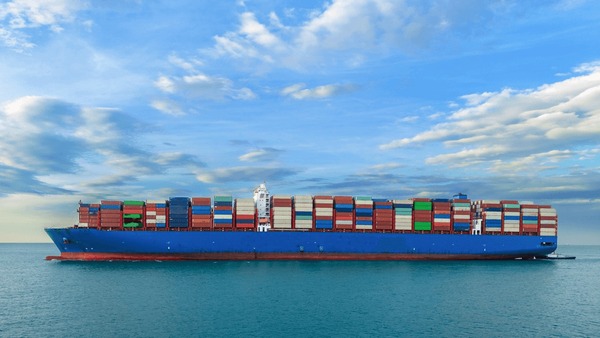
The best customs clearance from Shenzhen to Germany is essential for businesses that want to ensure fast, legal, and cost-efficient imports. Shipping from China into the EU comes with challenges such as tariffs, VAT regulations, HS code classification, and documentation compliance. However, with the right customs clearance services, companies can avoid delays, reduce costs, and maintain smooth supply chain operations.
1. Why Is Customs Clearance Critical for Imports to Germany?
Germany, as part of the European Union, enforces strict customs laws. All shipments from Shenzhen must comply with EU import rules. Without professional clearance, businesses may face:
- Delays at ports like Hamburg or Bremerhaven.
- Fines for incomplete or inaccurate documentation.
- Misclassification of goods leading to higher tariffs.
- Confiscation of restricted cargo.
Therefore, professional customs clearance ensures compliance while optimizing costs.
2. What Shipping Methods Are Available from Shenzhen to Germany?
| Shipping Method | Transit Time | Cost Level | Best For | Pros | Cons |
|---|---|---|---|---|---|
| Air Freight | 5–9 days | High | Urgent, high-value cargo | Fast, reliable | Expensive |
| Sea Freight (FCL) | 30–38 days | Low | Bulk cargo | Cost-effective | Slow |
| Sea Freight (LCL) | 32–40 days | Low–Medium | Small shipments | Pay only for used space | Handling delays |
| Rail Freight (China–Europe Railway) | 18–22 days | Medium | Balanced shipments | Faster than sea | Limited routes |
| Courier/Express | 3–6 days | High | Small parcels | Door-to-door | Costly for heavy cargo |
Each method requires customs clearance, but complexity varies with cargo size and type.
3. What Documents Are Needed for Customs Clearance?
| Document | Purpose |
|---|---|
| Commercial Invoice | Declares product details and value |
| Packing List | Confirms cargo contents |
| Bill of Lading / Air Waybill | Proof of shipment |
| Certificate of Origin | Determines tariff rates |
| Import Licenses (if applicable) | For restricted goods |
| HS Code Classification | Defines duties and VAT |
| Insurance Certificate | Protects against financial loss |
Professional forwarders check all documents before departure from Shenzhen to reduce clearance risks.
4. How Much Does Customs Clearance Cost in Germany?
Customs fees vary depending on shipment type and service level.
| Service Type | Estimated Cost (EUR) |
|---|---|
| Basic Clearance | €90–€150 |
| Clearance with Inspection | €150–€300 |
| Additional Handling (storage, demurrage) | €50–€120 |
| Import Duties | 2%–12% of CIF value |
| VAT (Germany standard rate) | 19% |
CIF value = Cost + Insurance + Freight. Both duties and VAT are calculated based on this figure.
5. How Long Does Customs Clearance in Germany Take?
Clearance usually takes 1–3 working days. However, with pre-filed documentation and digital systems, many shipments clear within 24 hours. Delays occur if:
- Paperwork is incomplete.
- HS codes are misclassified.
- Goods require extra inspection.
6. How Does Professional Clearance Speed Up Delivery?
Professional services reduce risks by:
- Filing electronic customs declarations.
- Pre-checking invoices and packing lists.
- Using bonded warehouses for duty deferment.
- Coordinating with German customs officers directly.
As a result, shipments avoid long storage times and costly delays.
7. Which Ports and Airports Handle Shenzhen Cargo?
- Seaports: Hamburg, Bremerhaven, Wilhelmshaven.
- Airports: Frankfurt, Munich, Leipzig.
- Rail Terminals: Duisburg (largest hub for China–Europe Railway).
Choosing the right entry point impacts both customs clearance costs and inland delivery schedules.
8. Pros and Cons of Customs Clearance Options
| Option | Pros | Cons |
|---|---|---|
| DIY Clearance | Low service fees | High risk of errors |
| Freight Forwarder | Professional, reliable | Additional service cost |
| Customs Broker | Expert EU compliance | May charge per entry |
| Courier Services | Simplified process | High shipping rates |
9. How to Choose the Best Customs Clearance Service?
When importing from Shenzhen to Germany, consider:
- Experience with EU customs law.
- Transparent pricing with no hidden fees.
- Strong network at German ports and airports.
- Ability to handle FCL, LCL, air, and rail shipments.
- Integrated logistics (shipping + clearance).
10. Customs Duties and VAT in Germany
| Product Category | Duty Rate | VAT |
|---|---|---|
| Electronics | 0%–5% | 19% |
| Clothing | 12%–16% | 19% |
| Furniture | 8%–10% | 19% |
| Machinery | 2%–6% | 19% |
Professional classification of HS codes ensures businesses don’t overpay on duties.
11. How Can Businesses Reduce Customs Costs?
- Ship larger consolidated loads to spread costs.
- Use accurate HS codes to lower duty rates.
- Apply trade agreements (if applicable).
- Use bonded warehouses for deferred payments.
- Partner with experienced forwarders.
12. Future Trends in Customs Clearance for China–Germany Trade
- Digital platforms: Faster electronic clearance filing.
- AI-driven compliance: Automated HS classification.
- Sustainability rules: Stricter EU green regulations.
- E-commerce VAT reforms: Streamlined systems for parcels under €150.
📦Get a Free Quote
With the best customs clearance from Shenzhen to Germany, you gain reliable, affordable, and compliant logistics solutions. Contact us today for a free consultation and discover how to simplify your imports from China to Germany.
❓ Frequently Asked Questions
Q1: How much does customs clearance in Germany cost?
Basic clearance costs €90–€150, while inspections or special services may increase fees. Duties and VAT also apply.
Q2: How long does clearance usually take?
Typically 1–3 days. Pre-cleared shipments with correct documents may pass within 24 hours.
Q3: Do I need a customs broker in Germany?
Not mandatory, but highly recommended to avoid mistakes and penalties.
Q4: What taxes apply to goods from China?
Import duties (2%–12%) plus 19% VAT based on CIF value.
Q5: Which ports are best for imports from Shenzhen?
Hamburg and Bremerhaven are the primary ports, with Duisburg as a rail hub.
Conclusion
The best customs clearance from Shenzhen to Germany ensures your goods pass smoothly through EU borders while avoiding delays and unnecessary costs. By preparing accurate documents, choosing the right shipping method, and partnering with experienced forwarders, businesses can secure efficient and affordable import solutions. Professional customs services are therefore the most reliable way to keep supply chains compliant and competitive.