

- By kelly
- September 9, 2025
- Tips or Guide
Ship China to Canada: Complete Guide to Costs, Methods, and Transit Times
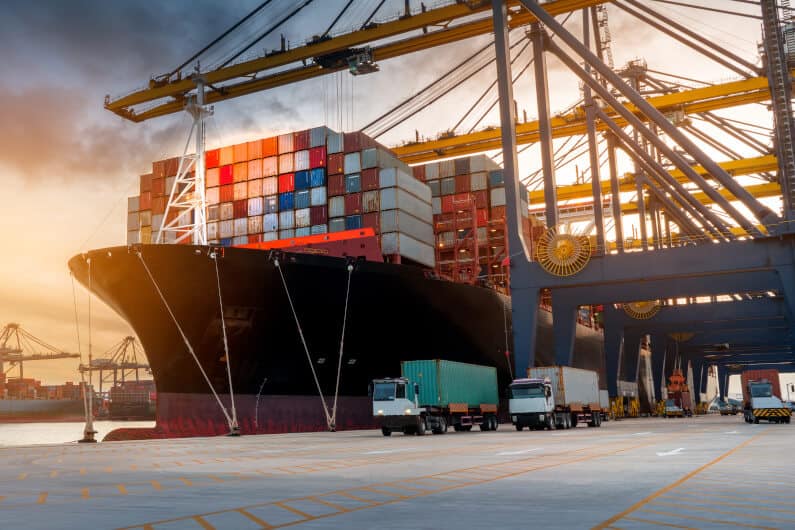
For businesses and individuals involved in international trade, the ability to ship China to Canada effectively is crucial. However, many importers face challenges such as fluctuating freight rates, long transit times, and complex customs requirements. This comprehensive guide explains available shipping methods, pricing, transit times, and documentation to help you simplify logistics and make smarter choices.
1. What Are the Main Options to Ship China to Canada?
Shipping options vary based on urgency, cargo volume, and budget.
| Shipping Method | Average Cost | Transit Time | Best For | Pros | Cons |
|---|---|---|---|---|---|
| Sea Freight (FCL) | $2,000–$3,200 per 20ft | 25–35 days | Bulk cargo | Cheapest per unit | Long transit |
| Sea Freight (LCL) | $120–$180 per CBM | 30–40 days | Small loads | Shared cost | Extra handling |
| Air Freight | $5–$9 per kg | 5–10 days | Urgent goods | Fast, secure | Expensive |
| Express Courier | $8–$15 per kg | 3–7 days | Parcels & samples | Door-to-door | High cost for bulk |
| Rail + Truck (via USA) | $3,000–$4,500 per container | 25–35 days | Special cargo | Alternative routes | Limited capacity |
Therefore, sea freight is the most affordable for bulk, while air and courier services are best for urgent or high-value shipments.
2. How Much Does It Cost to Ship from China to Canada?
Shipping prices depend on the route, cargo size, and method chosen.
| Cargo Type | Cost Estimate (USD) | Notes |
|---|---|---|
| 20ft Container (FCL) | $2,000–$3,200 | 28–30 CBM cargo |
| 40ft Container (FCL) | $3,500–$5,000 | 55–60 CBM cargo |
| LCL (per CBM) | $120–$180 | Consolidated shipping |
| Air Freight (100kg+) | $5–$7 per kg | Economy air |
| Air Freight (<100kg) | $7–$10 per kg | Priority express |
| Small Courier Parcel (5kg) | $60–$90 | Fast delivery |
Moreover, shipping costs increase significantly during peak seasons such as Chinese New Year and Christmas.
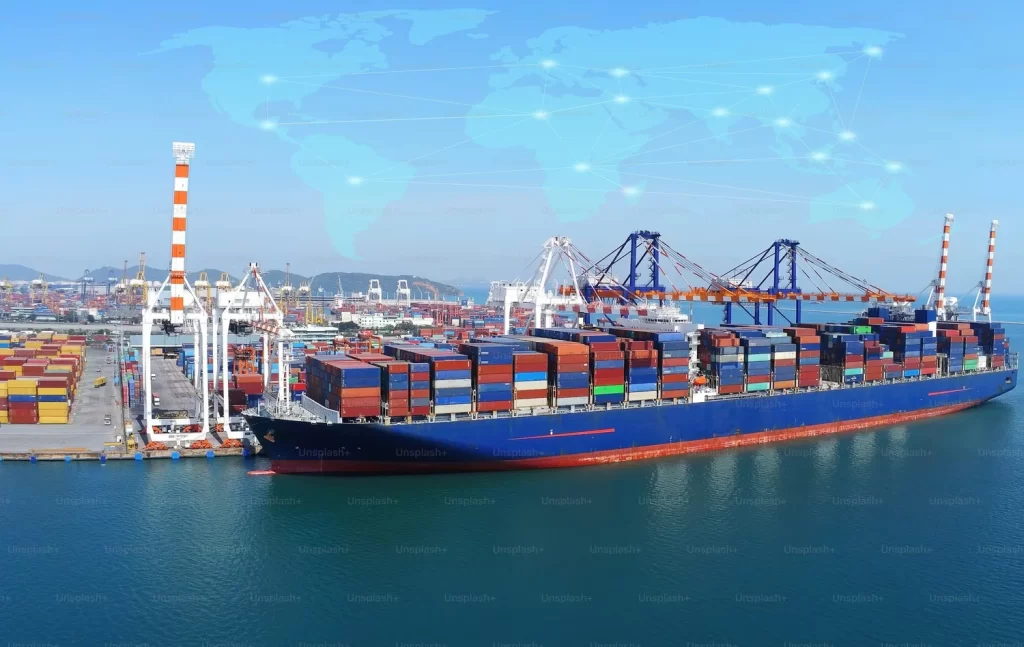
3. How Long Does It Take to Ship China to Canada?
| Route | Sea Freight | Air Freight | Courier |
|---|---|---|---|
| Shanghai → Vancouver | 25–30 days | 5–7 days | 3–5 days |
| Shenzhen → Toronto | 30–35 days | 6–8 days | 4–6 days |
| Ningbo → Montreal | 30–40 days | 6–9 days | 5–7 days |
Additionally, delays can occur due to customs checks, port congestion, or weather conditions.
4. Which Ports and Airports Are Commonly Used?
- China Ports: Shanghai, Shenzhen, Ningbo, Qingdao, Guangzhou
- Canada Ports: Vancouver, Montreal, Toronto, Halifax
- Airports: Shanghai Pudong (PVG), Beijing Capital (PEK), Hong Kong (HKG) → Vancouver (YVR), Toronto (YYZ), Montreal (YUL)
Therefore, choosing the right port and carrier can save both time and money.
5. What Customs Documents Are Required?
Accurate documentation is essential to ship from China to Canada successfully.
| Document | Purpose |
|---|---|
| Commercial Invoice | Declares product value |
| Packing List | Details cargo contents |
| Bill of Lading / Air Waybill | Shipping contract |
| Import Declaration (Canada) | Required by CBSA |
| Certificates (if applicable) | Food, medical, chemical goods |
Failure to provide correct documents can result in delays, penalties, or storage fees.
6. Should You Choose FCL or LCL?
- FCL (Full Container Load):
✔ Lowest per-unit cost
✔ Fewer handling risks
✘ Requires high cargo volume - LCL (Less than Container Load):
✔ Affordable for small shipments
✔ Shared costs with others
✘ Longer transit due to consolidation

7. How Does Sea Freight Compare to Air and Rail?
| Criteria | Sea Freight | Air Freight | Rail Freight |
|---|---|---|---|
| Cost | Lowest | Highest | Medium |
| Speed | 25–40 days | 5–10 days | 15–25 days |
| Cargo Type | Heavy & bulk | Urgent & valuable | Mid-sized cargo |
| Tracking | Limited | Real-time | Partial |
Thus, the method depends on balancing budget and urgency.
8. What Are the Benefits of Using a Freight Forwarder?
A professional freight forwarder helps with:
- Carrier and route selection
- Negotiating freight rates
- Customs clearance in both countries
- Consolidation services
- Cargo insurance and tracking
Therefore, forwarders ensure efficiency while reducing risks of delays or fines.
9. How Can You Reduce Costs When You Ship China to Canada?
- Book shipments early to avoid surcharges.
- Use FCL when cargo exceeds 15 CBM.
- Compare rates from different forwarders.
- Ship during off-peak seasons.
- Optimize packaging to reduce dimensional weight.
10. What Are the Pros and Cons of Different Shipping Modes?
| Mode | Pros | Cons |
|---|---|---|
| Sea Freight | Cheapest for large volumes | Long transit times |
| Air Freight | Fast, reliable | High cost |
| Courier | Convenient, trackable | Not cost-efficient for bulk |
| Rail + Truck | Alternative option | Limited availability |
📦Get a Free Quote
Looking for expert help to ship China to Canada efficiently? Our experienced logistics team offers tailored sea, air, and courier solutions at competitive rates. Contact us today for a free quote and simplify your import process with a trusted partner.
❓ Frequently Asked Questions
1. What is the cheapest way to ship from China to Canada?
Sea freight (FCL) is the most affordable for bulk shipments, with costs averaging $2,000–$3,200 per 20ft container.
2. How long does shipping from China to Canada take?
Sea freight usually takes 25–40 days, while air freight averages 5–10 days and courier services deliver in 3–7 days.
3. Do I need a freight forwarder to ship China to Canada?
Yes. A freight forwarder simplifies the process by handling customs clearance, documentation, and transport arrangements.
4. Can I track shipments from China to Canada?
Yes. Most freight forwarders and couriers provide real-time tracking for sea, air, and express shipments.
5. Which Incoterms are common for China–Canada trade?
FOB, CIF, and DDP are widely used depending on whether buyers want freight and duties included in the price.
Conclusion
The ability to ship China to Canada efficiently depends on choosing the right shipping method, preparing proper documents, and working with reliable freight forwarders. Sea freight is the most cost-effective for bulk shipments, while air freight and courier services are best for urgent or high-value cargo. With careful planning and professional support, importers can reduce costs, avoid delays, and strengthen their supply chain.