

Shipping Agent China to Europe: Your Ultimate Logistics Guide
Navigating international shipping from China to Europe can be a complex challenge for businesses. From customs regulations to choosing the right transport mode, a reliable partner is essential for smooth operations. Fortunately, a professional China Top Freight shipping agent China to Europe can simplify this entire process, ensuring your goods arrive safely and on schedule. This guide delves into critical aspects of this vital trade route.
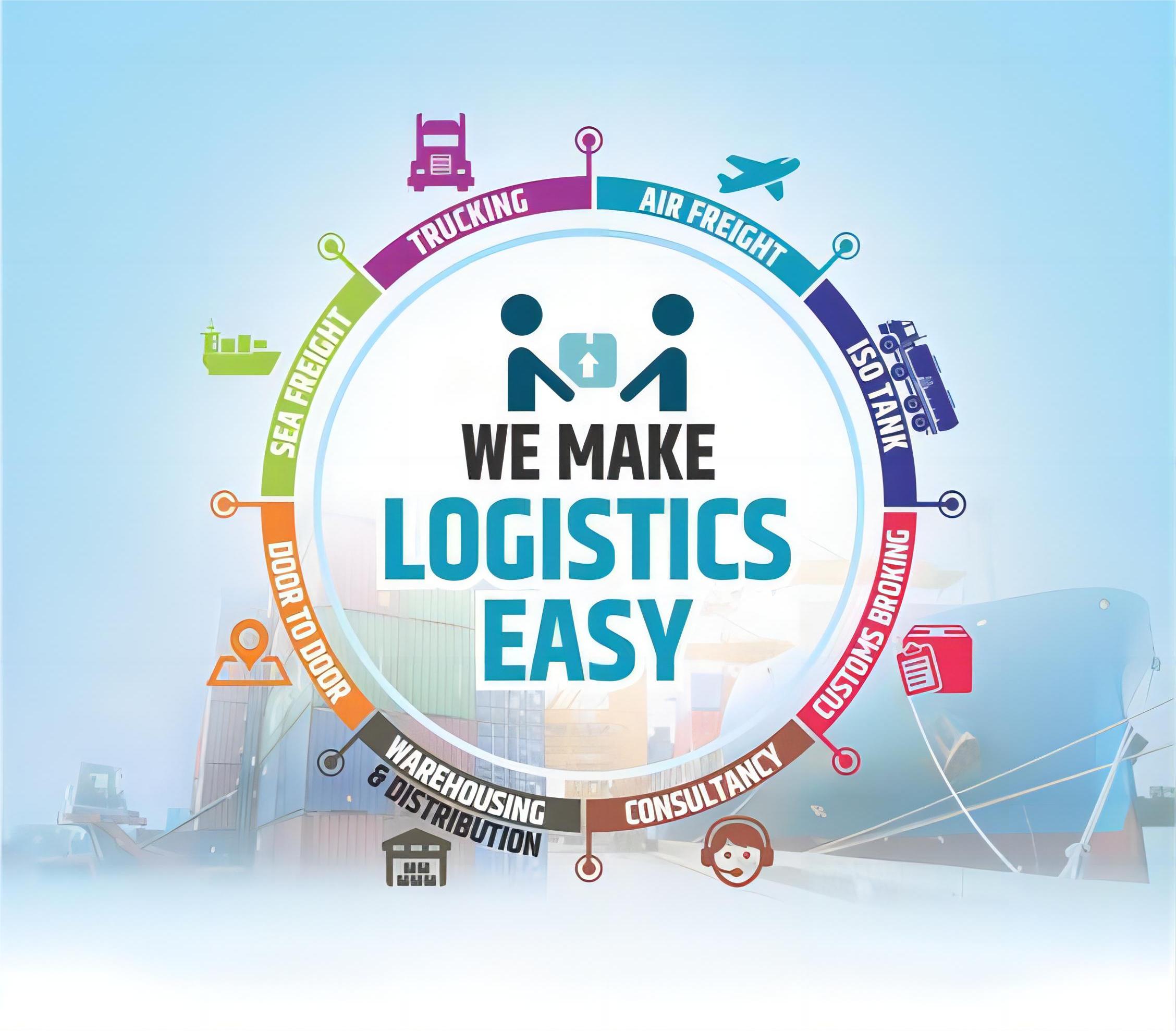
Why You Need a Specialized Shipping Agent China to Europe
Shipping goods internationally involves a myriad of tasks, including documentation, customs clearance, and freight booking. Therefore, partnering with an experienced shipping agent China to Europe is not merely a convenience, but a strategic necessity. They possess deep market knowledge and established networks.
Furthermore, a specialist agent understands the nuances of both Chinese export procedures and European import regulations. Consequently, this expertise minimizes delays, reduces costs, and ensures compliance, providing peace of mind for your business. They streamline the entire supply chain process.

Key Considerations When Choosing Your Shipping Agent China to Europe
Selecting the right shipping agent requires careful evaluation of several factors. First and foremost, assess their experience and reputation in the China-Europe corridor. A proven track record indicates reliability and efficiency for your shipments.
Moreover, consider their network and service offerings. A comprehensive agent should provide diverse shipping options, including customs brokerage and door-to-door solutions. This ensures flexibility and support for various cargo types and delivery needs. Look for transparency in pricing and communication, as these are crucial for successful partnerships.
Understanding Shipping Methods from China to Europe
The journey from China to Europe offers several distinct shipping methods, each with unique advantages and trade-offs. Your choice depends heavily on factors like cargo type, urgency, and budget. Understanding these options is crucial for optimizing your logistics strategy.
Indeed, evaluating cost, transit time, and reliability for each method will guide your decision. For instance, high-value, time-sensitive goods might warrant air freight, whereas bulk commodities often suit sea freight. Furthermore, newer options like rail freight provide a compelling middle ground.
Sea Freight: The Cost-Effective Choice for Volume
Sea freight remains the most economical option for large, heavy, or bulky shipments from China to Europe. It is ideal for non-urgent goods and offers significant cost savings per unit volume. However, transit times are considerably longer than other methods.
Typically, a full container load (FCL) or less than container load (LCL) service is available. For example, a 40-foot container from Shanghai to Rotterdam might take 28-35 days of transit. While slower, sea freight is indispensable for maintaining low per-unit shipping costs for many businesses.
Rail Freight: A Balanced Option for Speed and Cost
The New Silk Road railway offers a compelling alternative, balancing speed and cost effectively. Rail freight from China to Europe is significantly faster than sea freight and more affordable than air freight. Consequently, it has gained popularity for various types of cargo.
Transit times typically range from 15-22 days, making it suitable for goods with moderate urgency. Moreover, rail freight often has better environmental credentials compared to air transport. This method is particularly attractive for shipments to landlocked European regions.
Air Freight: For Speed and Urgency
When speed is paramount, air freight is the undisputed choice for shipping agent China to Europe. It is perfect for high-value, perishable, or time-critical goods. While considerably more expensive, it offers transit times of just 3-7 days.
Air freight minimises inventory holding costs and allows for quicker market entry for new products. Nevertheless, weight and volume restrictions apply, and costs can escalate rapidly for larger shipments. Therefore, it is best reserved for specific, urgent logistical needs.
Express Shipping: Small Parcels, Fast Delivery
For smaller packages and documents requiring rapid delivery, express services are the go-to option. Companies like DHL, FedEx, and UPS provide swift express service from China to Europe. These services typically offer door-to-door tracking and efficient customs processing.
Although per-kilogram rates are high, the speed and convenience for small consignments are unmatched. Moreover, express shipping is often preferred by e-commerce businesses for direct-to-consumer deliveries. This ensures customer satisfaction with quick turnaround times.

How Does Each Method Compare to Other Shipping Options?
Choosing the optimal shipping method involves weighing various factors against your specific business needs. Each transport mode presents distinct advantages and limitations. Therefore, a clear understanding of these differences is crucial for effective logistics planning.
Consider this comparison, which outlines the typical characteristics of each method. This will help you decide which option aligns best with your budget, timeline, and cargo requirements for shipping from China to Europe. Always remember to factor in potential delays and unforeseen costs.
| Shipping Method | Cost Range (2024-2025) | Transit Time | Best For | Limitations |
|---|---|---|---|---|
| Sea Freight (FCL/LCL) | $3,000-4,200 (40HQ) / $50-80/CBM (LCL) | 28-40 days | Large volumes, heavy goods, non-urgent, cost-sensitive | Slow, port congestion risks, less flexible |
| Rail Freight | $8,000-12,000 (40HQ) | 15-22 days | Moderate urgency, specific cargo types, landlocked regions | Less flexible routes, limited capacity, weather impacts |
| Air Freight | $5-10/kg (general cargo) | 3-7 days | Urgent, high-value, perishable goods, samples | Expensive, weight/volume limits, higher carbon footprint |
| Express Shipping | $10-25/kg (small parcels) | 2-5 days | Small packages, documents, e-commerce, samples | Very expensive for larger items, strict size limits |
Navigating Customs and Documentation from China to Europe
Customs procedures are arguably one of the most challenging aspects of international shipping. Both China and European Union countries have strict import and export regulations. Consequently, accurate documentation is paramount to avoid delays and penalties.
A reliable shipping agent China to Europe will manage all necessary paperwork, including commercial invoices, packing lists, bills of lading/air waybills, and certificates of origin. Furthermore, they ensure compliance with specific product standards and import duties, simplifying the entire process. This expertise prevents costly mistakes and ensures smooth customs clearance.
Optimizing Your Supply Chain: Value-Added Services
Beyond basic transportation, many shipping agents offer value-added services that can significantly enhance your supply chain efficiency. These services address various pain points, providing comprehensive solutions for businesses importing from China. Ultimately, they contribute to a more robust and resilient logistics operation.
For instance, door-to-door delivery simplifies logistics by handling every step from origin to final destination. Additionally, cargo insurance provides financial protection against loss or damage during transit. Other services include warehousing, consolidation, and quality control, all designed to streamline your operations and improve overall delivery schedule management.
Real-World Shipping Scenarios: Case Studies
Examining real-world examples illustrates the complexities and solutions involved in shipping from China to Europe. These case studies highlight how different methods and services address specific client needs. They provide practical insights into typical transit times and costs. Based on Q3 2024 market rates, these scenarios offer a realistic perspective.
Case Study 1: Large Volume Sea Freight to Germany
This scenario involved a German furniture importer needing to transport a substantial volume of flat-packed furniture. Cost-effectiveness was the primary concern over speed. Therefore, sea freight was the optimal choice for this bulk shipment, ensuring competitive landed costs.
The client benefited from consolidated services and careful cargo handling. This approach allowed for significant savings compared to faster but more expensive alternatives. The key insight here was balancing cost and volume effectively for a recurring supply chain.
| Detail | Description |
|---|---|
| Route | Ningbo, China Hamburg, Germany |
| Cargo | Flat-pack furniture, 60 CBM, 15,000 kg |
| Container | 1 x 40HQ |
| Shipping Details | Carrier: COSCO, Route Type: Direct |
| Cost Breakdown | Ocean Freight: $3,800; Origin Charges: $550; Destination Charges: $400; Customs & Duties (est.): $1,200; Total Landed Cost: $5,950 |
| Timeline | Booking to Loading: 5 days; Sea Transit: 32 days; Customs Clearance: 3 days; Total Door-to-Door: 40 days |
| Key Insight | Optimized FCL utilization and direct routing kept costs low for recurring bulk orders. |
Case Study 2: Time-Sensitive Air Freight to France
An electronics distributor in France required urgent delivery of new smartphone components to meet a product launch deadline. Speed was critical, outweighing the higher cost. Consequently, air freight became the only viable solution for this time-sensitive consignment.
The expedited customs clearance and direct flight options ensured the components arrived well within the tight schedule. This case demonstrated the value of rapid transit for critical inventory. The trade-off between speed and cost was justified by market demands.
| Detail | Description |
|---|---|
| Route | Shenzhen, China Paris, France |
| Cargo | Smartphone components, 2.5 CBM, 450 kg |
| Container | Air cargo (palletized) |
| Shipping Details | Carrier: Lufthansa Cargo, Route Type: Direct |
| Cost Breakdown | Air Freight: $3,600; Origin Charges: $280; Destination Charges: $200; Customs & Duties (est.): $650; Total Landed Cost: $4,730 |
| Timeline | Booking to Loading: 2 days; Air Transit: 4 days; Customs Clearance: 1 day; Total Door-to-Door: 7 days |
| Key Insight | Prioritizing speed over cost for a critical product launch prevented significant market losses. |
Case Study 3: E-commerce Rail Shipment to Poland
A Polish e-commerce retailer needed a consistent, moderately fast, and affordable shipping solution for consumer goods. Rail freight offered the perfect balance, avoiding the slowness of sea and the expense of air. This hybrid approach proved highly effective for their inventory management.
The stability of rail transit times allowed for predictable inventory replenishment. Furthermore, the cost savings compared to air freight significantly boosted their profit margins. This solution is increasingly popular for businesses seeking a middle ground in logistics. Typical rates as of early 2025 demonstrate its competitiveness.
| Detail | Description |
|---|---|
| Route | Chongqing, China Lodz, Poland |
| Cargo | Consumer electronics, 15 CBM, 3,000 kg |
| Container | LCL Rail Cargo |
| Shipping Details | Carrier: China Railway Express, Route Type: Direct |
| Cost Breakdown | Rail Freight: $1,800; Origin Charges: $350; Destination Charges: $250; Customs & Duties (est.): $800; Total Landed Cost: $3,200 |
| Timeline | Booking to Loading: 3 days; Rail Transit: 18 days; Customs Clearance: 2 days; Total Door-to-Door: 25 days |
| Key Insight | Rail freight provided a cost-effective and reliable solution for consistent e-commerce stock replenishment. |
Market Dynamics and Freight Rates: What to Expect
Freight rates from China to Europe are influenced by a dynamic interplay of global factors. As of Q1 2025, freight rates have largely stabilized after the significant disruptions of 2024, including the Red Sea challenges. However, volatility remains a characteristic of the international shipping market.
Industry trends, such as fluctuating fuel costs, carrier capacity, and geopolitical events, directly impact pricing. Moreover, seasonal patterns are crucial; rates typically increase by 15-25% during the peak season from August to October due to holiday demand. Therefore, planning ahead and securing bookings early can mitigate price surges. Note: Freight rates are subject to change based on fuel costs, carrier capacity, and seasonal demand. Contact us for a current quote tailored to your specific shipment.

Which Shipping Option Should You Choose?
Making the right choice for your shipping agent China to Europe depends on your specific priorities. Consider these decision criteria to select the most suitable method for your next shipment. Each business has unique requirements that dictate the best logistics approach.
Ultimately, a tailored solution will offer the most efficiency and cost-effectiveness. Furthermore, consulting with a knowledgeable freight forwarder can provide expert guidance based on current market conditions and your cargo’s specific needs. This ensures an optimal shipping strategy.
| Priority | Recommended Option | Considerations |
|---|---|---|
| Budget Priority | Sea Freight (LCL/FCL) | Longer transit times (28-40 days), ideal for bulk, non-urgent goods. |
| Speed Priority | Air Freight / Express Shipping | Highest cost, 3-7 days transit, best for urgent, high-value, or perishable items. |
| Balanced (Cost & Speed) | Rail Freight | Moderate cost and speed (15-22 days), good for regular shipments, specific routes. |
| Cargo Type: Heavy/Bulky | Sea Freight (FCL) | Most cost-effective for large volumes, requires careful planning for port-to-port logistics. |
| Cargo Type: Small/Light | Air Freight / Express Shipping | Efficient for smaller packages, e-commerce, and samples, often door-to-door. |
| Volume Thresholds | LCL for <15 CBM, FCL for >15 CBM | LCL offers flexibility for smaller volumes, FCL becomes more economical as volume increases. |
Your Trusted Shipping Partner from China to Europe
In conclusion, selecting a proficient shipping agent China to Europe is fundamental for navigating the complexities of international trade. From understanding diverse shipping methods to mastering customs procedures, an experienced partner ensures smooth, cost-effective, and timely delivery. They are crucial for optimizing your supply chain.
Moreover, by leveraging their expertise and comprehensive services, businesses can overcome logistical hurdles and focus on growth. Ultimately, a strategic logistics partner empowers you to confidently expand your market reach across Europe. Choose wisely for sustained success.
Get Your Shipping Quote Today
Ready to streamline your imports from China to Europe? Contact our expert team today for a personalized consultation and competitive quote. We are your trusted shipping agent China to Europe, committed to delivering efficient and reliable logistics solutions tailored to your business needs.
Request Quote