

- By carlie tj
- August 28, 2025
- Tips or Guide, Transport
Global trade between China and Sri Lanka is growing rapidly, driven by the demand for electronics, textiles, building materials, and industrial machinery. Working with shipping agents in China to Sri Lanka allows importers and exporters to streamline logistics, cut costs, and avoid unnecessary delays. Businesses that actively compare freight options, prepare documentation carefully, and select reliable partners achieve faster delivery, lower risks, and greater efficiency. This guide explains transport modes, freight costs, customs clearance, and strategies to build a smooth supply chain.
1. Sea Freight from China to Sri Lanka – Reliable for Large Shipments
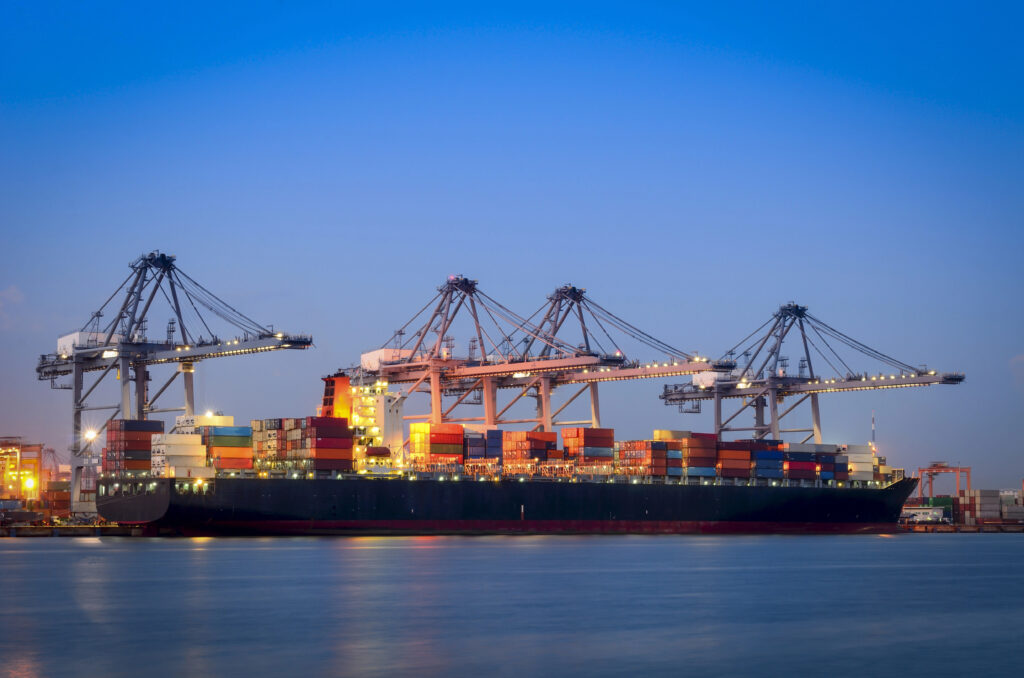
Sea freight dominates this trade route because of its affordability and large capacity. Importers who ship bulk cargo such as raw materials, garments, and construction goods benefit from lower rates compared to other transport modes. FCL (Full Container Load) is ideal for businesses with high-volume cargo, while LCL (Less than Container Load) offers flexibility for smaller shipments. By choosing the right container option, companies optimize costs and delivery schedules.
Table 1: Sea Freight Options
| Mode | Avg. Cost (2025) | Transit Time | Best For |
|---|---|---|---|
| FCL | $1,500–$2,100 per 20ft | 15–22 days | Large cargo, stable schedule |
| LCL | $60–$80 per CBM | 18–25 days | Smaller cargo, flexible shipments |
📌Air Cargo from China to Sri Lanka – Fast but Expensive
When speed is critical, air cargo offers unmatched efficiency. Goods such as electronics, pharmaceuticals, and fashion items move from Shanghai or Guangzhou to Colombo in just 3–6 days. Although costs are higher, companies choose this method to meet urgent customer demand. By working with reliable shipping agents in China to Sri Lanka, importers secure space during peak seasons and reduce the risk of delays.
Table 2: Air Freight Options
| Mode | Avg. Cost (2025) | Transit Time | Best For |
|---|---|---|---|
| Standard Air Cargo | $5.5–$7 per kg | 4–6 days | Urgent mid-size goods |
| Express Air Cargo | $7–$9 per kg | 2–3 days | Critical shipments |
3.FCL vs LCL – Choosing the Right Container
FCL (Full Container Load): Suitable for 15+ CBM. Faster, secure, lower unit cost.
LCL (Less than Container Load): Works for small shipments. Higher per-unit cost but avoids paying for unused space.
📌 4. Leveraging Trade Agreements in Shipping Agents China to Sri Lanka
Sri Lanka and China maintain trade agreements that reduce tariffs on selected goods. By using preferential rates, importers significantly lower costs. Reliable shipping agents guide businesses through the documentation process needed to claim these benefits, helping them stay competitive in the regional market.
5. Digital Freight Tools for Shipping Agents China to Sri Lanka
Digital dashboards and freight platforms give businesses real-time visibility into shipping costs, delivery times, and customs status. By adopting these tools, companies avoid hidden charges, improve tracking accuracy, and plan shipments more efficiently.
6.Customs Clearance in Sri Lanka – Avoiding Delays
- Strict import rules: Sri Lanka requires businesses to follow detailed documentation standards for every shipment.
- Key documents needed: Importers must prepare commercial invoices, packing lists, HS codes, and certificates of origin.
- Risk of errors: Mistakes in paperwork often lead to clearance delays, penalties, or additional storage costs at the port.
- Proactive solution: Close coordination with shipping agents ensures documents remain accurate and compliant.
- Result: With proper preparation, customs clearance moves smoothly, saving both time and money.
7.Conclusion
Working with shipping agents in China to Sri Lanka helps businesses save money, speed up delivery, and manage risks more effectively. By comparing sea, air, courier, and multimodal services, preparing documents accurately, and leveraging digital tools, companies create a reliable and cost-efficient supply chain.
8. Request a Quote
China Top Freight offers:
- ✅ Origin and Destination Countries
- ✅ Cargo Type and Volume
- ✅ Preferred Transport Method (Air, Sea, Rail, Road)
- ✅ Delivery Timeline
- ✅ Special Handling Requirements (if any)
💬9. FAQ
Q1: Why do shipping rates to Sri Lanka change so often?
Carriers adjust rates frequently because of fuel prices, seasonal demand, and global capacity changes. By monitoring updates and booking in advance, businesses avoid sudden cost hikes.
Q2: What steps help prevent cargo damage during transit?
Strong packaging, clear labeling, and choosing carriers with proven handling standards reduce damage risks. Consistent communication with logistics partners further safeguards shipments.
Q3: Why does early booking secure better service?
By reserving slots ahead of time, importers guarantee space, avoid congestion, and often receive more favorable rates. Acting early ensures smoother logistics.
Q4: What advantages come from diversifying shipment modes?
Mixing sea, air, and courier services increases flexibility. When disruptions arise, companies switch to alternative routes and maintain consistent delivery.
Q5: How does strong supplier coordination improve efficie
When suppliers share updates early, agents schedule transport more effectively. This cooperation reduces waiting times, prevents penalties, and ensures timely arrival.