

- By carlie tj
- September 9, 2025
- Tips or Guide, Transport
Managing shipping charges from China is a key concern for global businesses importing products. Since freight costs impact profit margins, knowing how they work is essential. Whether you choose sea, air, or courier freight, understanding rates can help you save time and money. For expert assistance, visit China Top Freight.
1. What Factors Determine Shipping Charges from China?
Several variables influence shipping costs, such as:
- Shipping method (sea, air, courier, or rail)
- Cargo weight and volume
- Destination port or airport
- Peak season surcharges
- Customs duties and taxes
Moreover, fuel costs and global demand also affect rates.
📌2. How Much Do Sea Freight Charges from China Cost?
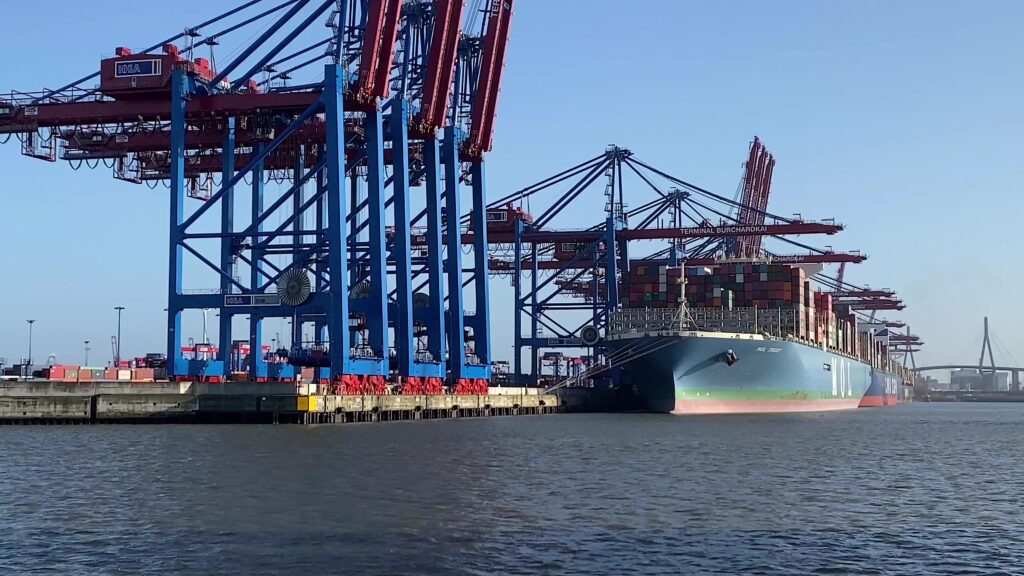
Sea freight is the cheapest method for large shipments. Costs vary by container type.
| Container Type | Average Cost (USD) | Transit Time | Best For |
|---|---|---|---|
| 20ft FCL | $3,500–$5,000 | 30–40 days | Medium loads |
| 40ft FCL | $6,500–$8,200 | 30–40 days | Large loads |
| LCL (per CBM) | $120–$180 | 35–45 days | Small shipments |
3. Why Do Air Freight Charges Differ from Sea Freight?
Air freight charges are based on either actual or volumetric weight. Since it is faster, the cost per kilogram is higher. Transit time ranges between 7–12 days, making it ideal for urgent or high-value cargo.
📌4. What Are the Typical Air Freight Costs from China?
- Light cargo: $6–$8 per kg
- Heavy cargo: $4–$6 per kg
- Express cargo (priority): $8–$12 per kg
Air freight offers speed and reliability, but it is more expensive compared to ocean freight.
5.What Documents Impact Customs-Related Charges?
Missing or incorrect documents may lead to penalties and higher costs.
Customs Documents Checklist:
- Commercial Invoice
- Packing List
- Bill of Lading or Airway Bill
- Import Licenses or Certificates
- HS Codes for accurate duty calculation
6.What Are the Pros and Cons of Different Shipping Methods?
| Method | Pros | Cons |
|---|---|---|
| Sea Freight | Cheapest for bulk cargo | Long transit times |
| Air Freight | Faster, reliable schedules | Higher costs per kg |
| Courier | Fastest, door-to-door delivery | Expensive, limited volume |
| Rail Freight | Balanced cost and time | Limited coverage and flexibility |
7.Conclusion
Understanding shipping charges from China helps importers balance cost and delivery speed. Sea freight is cheapest for bulk cargo, while air and courier ensure faster delivery. With proactive planning and the right logistics partner, businesses can minimize risks, reduce expenses, and streamline their supply chains effectively.
8. Request a Quote
China Top Freight offers:
- ✅ Origin and Destination Countries
- ✅ Cargo Type and Volume
- ✅ Preferred Transport Method (Air, Sea, Rail, Road)
- ✅ Delivery Timeline
- ✅ Special Handling Requirements (if any)
9. FAQ
1. How do I calculate shipping charges from China accurately?
Freight forwarders calculate based on cargo size, weight, and method. Comparing multiple options ensures you choose the most efficient route.
2. What is the cheapest method for shipping from China?
Sea freight remains the lowest-cost method, especially for full container loads, though it requires more time compared to air and courier.
3. Can shipping charges from China fluctuate during the year?
Charges vary with demand, fuel prices, and peak seasons. Importers can reduce expenses by booking early and avoiding high-demand months.
4. Do customs duties add to shipping charges from China?
Import duties, VAT, and service fees are additional expenses. Proper documentation and HS codes ensure accurate cost calculation and smooth clearance.
5. Is it possible to track shipping charges in real-time?
Most carriers provide cost updates with booking confirmations. Freight forwarders also offer digital tools to monitor rates and optimize shipping plans.