

- By kelly
- September 10, 2025
- Logistics, Tips or Guide
Shipping China to Mexico: The Complete 2025 Guide
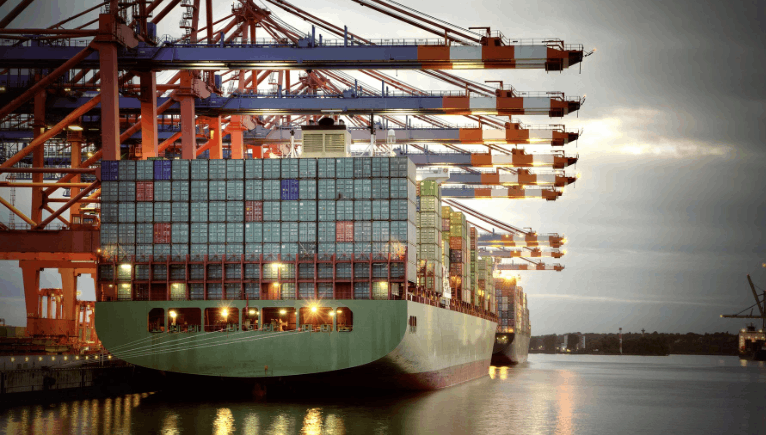
Global trade between Asia and Latin America is expanding rapidly, and shipping China to Mexico has become a crucial route for manufacturers, wholesalers, and e-commerce businesses. Importers face common challenges such as high shipping costs, customs clearance, and delivery delays. However, by understanding the right freight options, costs, and documents, you can streamline the entire process and save money.
1. What Are the Main Shipping Methods from China to Mexico?
There are multiple ways to transport goods, each with different benefits and drawbacks.
| Shipping Method | Average Cost | Transit Time | Best For | Pros | Cons |
|---|---|---|---|---|---|
| Sea Freight (FCL) | $2,000 – $3,500 / 20ft | 25–35 days | Large shipments | Cheapest per unit, high capacity | Long transit |
| Sea Freight (LCL) | $120 – $180 per CBM | 30–40 days | Smaller loads | Flexible volume | Slower handling |
| Air Freight | $5 – $8 per kg | 5–10 days | Urgent goods | Fast, reliable | Expensive for bulk |
| Express Courier | $8 – $15 per kg | 3–7 days | Parcels, e-commerce | Door-to-door, fastest | High cost |
| Rail + Truck (via US) | $4,000 – $6,000 / 20ft | 20–25 days | Certain goods | Mid-range speed | Limited routes |
2. How Much Does Shipping from China to Mexico Cost?
Freight rates vary depending on container size, weight, route, and season.
| Container Type | Average Cost (USD) | Notes |
|---|---|---|
| 20ft Container | $2,000 – $3,500 | Economical for medium shipments |
| 40ft Container | $3,800 – $5,800 | Lower cost per CBM |
| LCL (per CBM) | $120 – $180 | Suitable for small cargo |
| Air Freight (100 kg) | $600 – $800 | Ideal for urgent cargo |
| Courier (20 kg parcel) | $180 – $250 | Small packages |
Therefore, businesses shipping large volumes should prioritize sea freight, while e-commerce brands may prefer express solutions.
3. How Long Does Shipping Take from China to Mexico?

| Route | Shipping Method | Transit Time |
|---|---|---|
| Shanghai – Manzanillo | Sea Freight | 28–35 days |
| Shenzhen – Veracruz | Sea Freight | 30–40 days |
| Beijing – Mexico City | Air Freight | 5–8 days |
| Guangzhou – Mexico City | Express Courier | 3–7 days |
| Rail (via US border) | Rail + Truck | 20–25 days |
While sea freight is slower, it remains the most cost-efficient method.
4. Which Ports in Mexico Handle Cargo from China?
- Port of Manzanillo – Largest container port, main hub for Asian imports.
- Port of Lázaro Cárdenas – Handles large vessels, ideal for industrial goods.
- Port of Veracruz – Strategically located for shipments to central Mexico.
- Port of Altamira – Common for petrochemical and manufacturing imports.
Choosing the right port can reduce inland transportation costs.
5. What Documents Are Required for Customs Clearance?
| Document | Purpose |
|---|---|
| Bill of Lading / Air Waybill | Proof of shipment |
| Commercial Invoice | Declares product details & value |
| Packing List | Cargo breakdown |
| Certificate of Origin | Confirms country of manufacture |
| Import License (if needed) | For restricted items |
| Customs Declaration | Tax & duty calculation |
Moreover, using accurate HS codes is critical for avoiding clearance delays.
6. What Duties and Taxes Apply When Shipping from China to Mexico?
Mexico applies duties and VAT based on CIF value (Cost + Insurance + Freight).
- Import Duty: Varies 0–20% depending on HS code
- VAT (IVA): 16% applied to most imports
- Additional Fees: Customs brokerage, handling charges, storage if delayed
Therefore, importers should always calculate the total landed cost, not just freight charges.
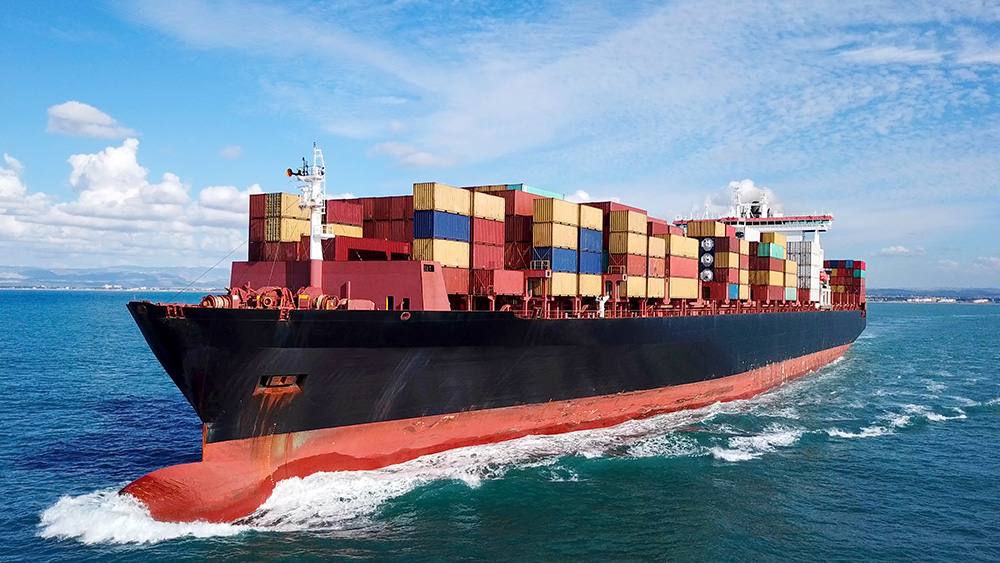
7. Is Air Freight from China to Mexico Worth It?
Air freight is the best option for:
- Time-sensitive goods such as electronics and auto parts
- High-value shipments requiring security
- Shipments under 500 kg
Although more expensive, it ensures predictable delivery in less than 10 days.
8. Can Small Businesses Use Courier Services?
Yes. Express couriers like DHL, FedEx, UPS, and Aramex provide door-to-door delivery for parcels under 100 kg.
- 1–5 kg parcel: $30 – $60
- 10–20 kg parcel: $120 – $250
- 50–100 kg bulk: $8 – $12 per kg
Additionally, courier services handle customs clearance and last-mile delivery, making them suitable for e-commerce.
9. Seafreight vs. Air vs. Courier: Which Is Best?
| Mode | Pros | Cons |
|---|---|---|
| Sea Freight | Cheapest, large capacity | Long transit |
| Air Freight | Fast, secure | Expensive |
| Courier | Easy, fast customs | High cost for bulky goods |
| Rail (via US) | Balanced cost/time | Limited availability |
Thus, your choice depends on shipment size, urgency, and budget.
10. Tips to Reduce Shipping Costs from China to Mexico
- Consolidate shipments to reduce per-unit cost.
- Book in advance to avoid peak-season surcharges.
- Use the nearest efficient port to reduce inland transport.
- Work with reliable freight forwarders to negotiate rates.
- Consider hybrid methods (sea + air).
11. Supply Chain Challenges for China–Mexico Shipping
- Congestion at major Mexican ports (Manzanillo, Veracruz).
- Customs clearance delays due to incomplete documentation.
- Currency fluctuations impacting final freight rates.
- Peak-season surcharges during holidays and sales events.
Therefore, planning ahead and choosing a professional freight partner is essential.
📦Get a Free Quote
Global trade is complex, but with the right partner, shipping China to Mexico can be simple and cost-effective. At ChinaTopFreight, we provide tailored solutions for sea, air, and courier services with reliable customs support. Contact us today for a free quote and make your import process seamless.
❓ Frequently Asked Questions
1. How long does shipping China to Mexico take?
Sea freight takes 25–40 days, air freight 5–10 days, and courier 3–7 days.
2. What is the cheapest way to ship from China to Mexico?
Sea freight (FCL) is the most economical option for large shipments.
3. Do I need an import license for Mexico?
Yes, certain categories require permits. Check with customs for restricted goods.
4. How are duties calculated in Mexico?
Based on HS codes and CIF value (Cost + Insurance + Freight).
5. Which port is best for imports from China?
Manzanillo is the largest, but Veracruz and Lázaro Cárdenas are also major gateways.
Conclusion
The shipping China to Mexico route is vital for importers in 2025. While sea freight is the most cost-efficient, air and courier options offer speed for urgent cargo. Importers must consider not only freight rates but also customs duties, taxes, and inland logistics. By working with a trusted freight forwarder, businesses can secure reliable transit, reduce costs, and strengthen their supply chains.