

- By carlie tj
- September 9, 2025
- Logistics, Tips or Guide
When managing shipping China to Philippines, businesses often face challenges such as cost fluctuations, complex customs rules, and transit time delays. At China Top Freight, we help importers and exporters simplify logistics, ensuring timely and affordable deliveries from major Chinese ports to the Philippines.
1. Why Choose Shipping China to Philippines for Your Business?
The Philippines is one of the fastest-growing import markets in Southeast Asia, sourcing electronics, textiles, machinery, and consumer products from China. Moreover, the short distance between the two countries makes trade more cost-efficient compared to other Asian lanes.
2. What Are the Main Shipping Methods Available?
Three main solutions exist: sea freight, air freight, and express courier. Each method serves different shipping needs depending on cost, volume, and urgency.
Table 1: Comparison of Shipping Methods
| Method | Average Cost | Transit Time | Best For | Pros | Cons |
|---|---|---|---|---|---|
| Sea Freight | $900–$1,300/20ft FCL | 10–18 days | Bulk cargo, FCL/LCL shipments | Low cost, high volume | Slower transit |
| Air Freight | $4–$6 per kg | 3–6 days | Urgent, high-value shipments | Fast, reliable schedules | Higher cost |
| Express Courier | $6–$10 per kg | 2–5 days | Small parcels, e-commerce orders | Door-to-door, fast customs | Limited cargo size |
3. How Much Does Shipping from China to Philippines Cost?
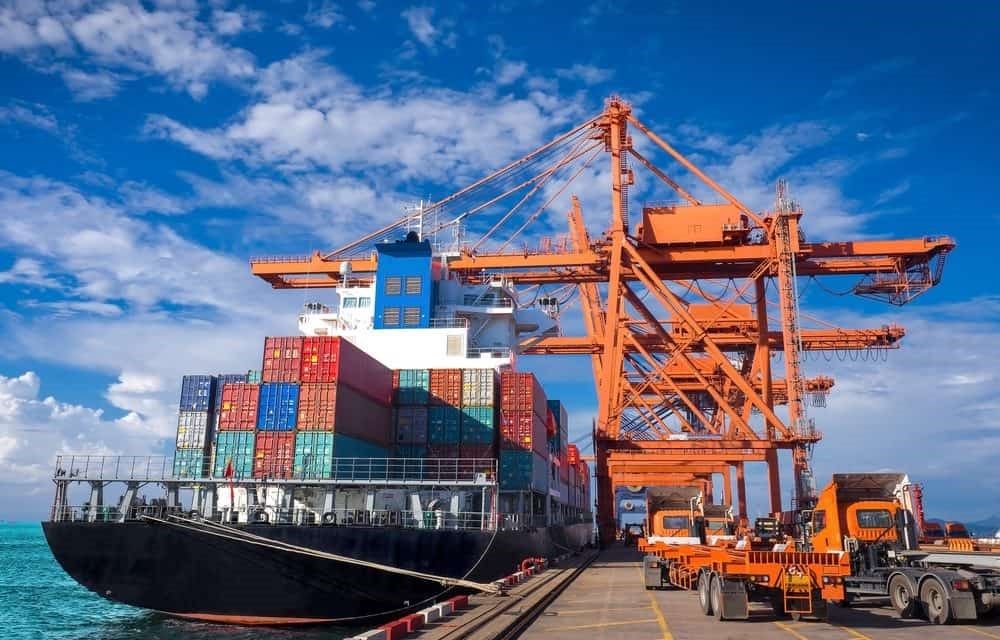
Costs depend on shipment size, method, and season. Sea freight offers the lowest per-unit price for containers, while air freight balances speed and cost. Express delivery is ideal for lightweight, urgent goods.
4. How Long Does It Take for Shipments to Arrive?
Transit times vary by port of origin and shipping method:
Table 2: Estimated Transit Times
| Origin Port (China) → Manila Port | Sea Freight (Days) | Air Freight (Days) | Express Courier (Days) |
|---|---|---|---|
| Shenzhen → Manila | 10–12 | 3–4 | 2–3 |
| Shanghai → Manila | 14–18 | 4–5 | 3–4 |
| Guangzhou → Manila | 11–14 | 3–4 | 2–3 |
5.What Are the Pros and Cons of Air vs Sea Freight?
Air Freight Pros: Fast delivery, higher security, predictable schedules.
Air Freight Cons: Expensive for heavy goods.
Sea Freight Pros: Low cost for large volumes, eco-friendly, ideal for non-urgent cargo.
Sea Freight Cons: Slower, potential port congestion.
6. How Can Businesses Reduce Shipping Costs?
To lower expenses:
- Consolidate smaller shipments into LCL.
- Avoid peak season when rates increase.
- Use nearby Chinese ports for efficiency.
- Partner with reliable forwarders for better carrier rates.
Simplify your shipping China to Philippines with experienced freight experts. At China Top Freight, we handle customs, secure competitive rates, and ensure timely delivery. Contact us today for a free tailored quote.
7.Conclusion
Efficient shipping China to Philippines requires careful planning around method, cost, and customs clearance. Sea freight is the most economical for bulk, air freight is best for urgent shipments, and express courier suits small parcels. By partnering with a reliable freight forwarder, businesses can reduce risks, ensure compliance, and streamline logistics from China to the Philippines.
8. Request a Quote
China Top Freight offers:
- ✅ Origin and Destination Countries
- ✅ Cargo Type and Volume
- ✅ Preferred Transport Method (Air, Sea, Rail, Road)
- ✅ Delivery Timeline
- ✅ Special Handling Requirements (if any)
9. FAQ
1. What is the cheapest way to ship goods to the Philippines?
Sea freight is the most economical option for large shipments, offering low per-unit costs and suitable schedules for bulk cargo.
2. Can I ship small parcels directly to the Philippines?
International courier services provide door-to-door delivery, making them effective for e-commerce sellers handling smaller, lightweight packages.
3. Do I need special permits for every shipment?
Not all goods require permits, but restricted categories such as chemicals, electronics, and medicines may need clearance before import.
4. Which Incoterms are most used for Philippines shipments?
FOB and CIF are commonly applied, while DDP is increasingly popular for importers who prefer complete cost control and convenience.
5. How long does customs clearance usually take in the Philippines?
Clearance typically takes 1–3 business days, depending on document accuracy, customs workload, and whether the shipment needs physical inspection.