

When planning shipping China to Sweden, importers face challenges like fluctuating freight rates, long transit times, and strict EU customs procedures. However, with the right freight forwarder and shipping method, businesses can cut costs, avoid delays, and keep supply chains running smoothly. Whether you choose sea, air, or rail freight, understanding costs and requirements is the key to success.
What Are the Main Shipping Methods from China to Sweden?
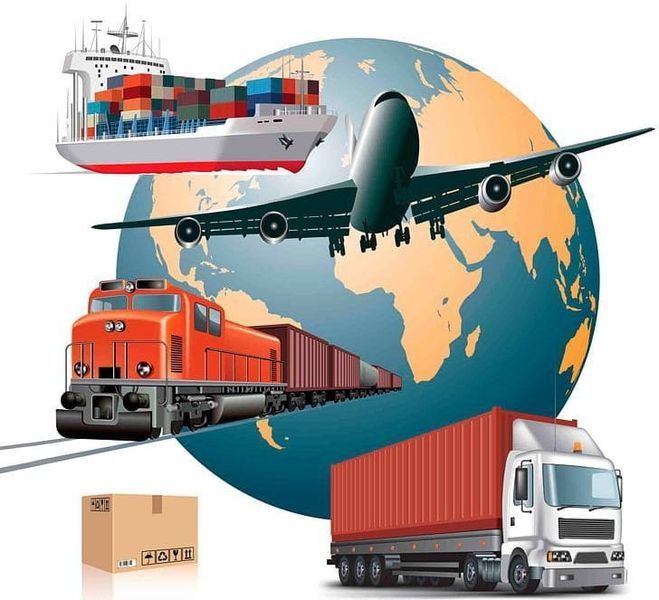
| Method | Cost Range (USD) | Transit Time | Best Suited For | Pros | Cons |
|---|---|---|---|---|---|
| FCL (20ft/40ft) | $2,300 – $4,600 | 30–38 days | Bulk goods | Economical per unit | Requires full container |
| LCL (per CBM) | $55 – $75 | 32–40 days | Small shipments | Flexible & cheaper upfront | Slower clearance |
| Air Freight | $6 – $10/kg | 6–10 days | Urgent or light goods | Fast & reliable | Expensive |
| Rail Freight | $3,600 – $5,200/container | 20–28 days | Medium shipments | Eco-friendly, faster than sea | Limited service |
| Courier/Express | $7 – $12/kg | 4–7 days | Parcels under 100kg | Door-to-door delivery | Highest per kg cost |
Which Routes Are Most Common for Shipping?
| Origin Port (China) | Destination Port (Sweden) | Average Transit Time |
|---|---|---|
| Shanghai | Gothenburg | 32–38 days |
| Ningbo | Malmö | 30–35 days |
| Shenzhen | Stockholm (via Gothenburg) | 33–40 days |
| Chengdu (Rail) | Malmö/Stockholm | 20–28 days |
What Factors Affect Shipping China to Sweden Costs?
- Fuel surcharges impact sea freight costs.
- Peak seasons (Christmas, Chinese New Year) push up rates.
- Port congestion in Gothenburg or Malmö delays cargo.
- Container shortages increase FCL spot pricing.
- Customs duties & VAT add to final landed costs.
Should You Ship by FCL or LCL?
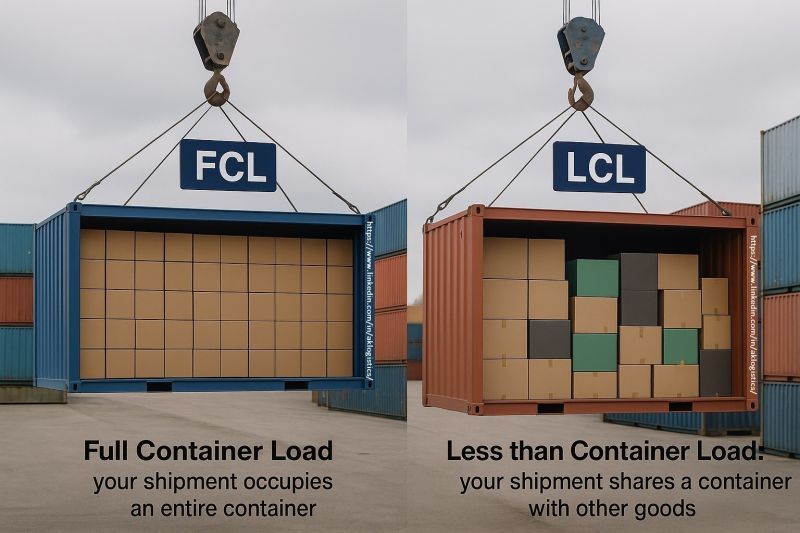
FCL (Full Container Load):
- Cheaper per cubic meter for volumes over 15 CBM.
- Faster, less handling = reduced risk of damage.
LCL (Less than Container Load):
- Good for startups with smaller imports.
- Flexible but slower due to consolidation.
How Does Air vs Rail Freight Compare?
| Factor | Air Freight | Rail Freight |
|---|---|---|
| Transit | 6–10 days | 20–28 days |
| Cost | $6–$10/kg | $3,600–$5,200/container |
| Best For | Electronics, urgent goods | Fashion, machinery |
| Pros | Fast & reliable | Faster than sea, eco-friendly |
| Cons | Very expensive | Fewer service routes |
Are you ready to book?
Access live instant freight quotes
What Customs Documents Are Needed in Sweden?
| Document | Purpose |
|---|---|
| Commercial Invoice | Declares value of goods |
| Packing List | Details shipment contents |
| Bill of Lading/Air Waybill | Proof of transport |
| Certificate of Origin | Needed for EU tariff classification |
| Import Declaration | Required by Swedish Customs |
| CE/Compliance Certificates | Mandatory for electronics & toys |
How Long Does Shipping Take?
| Mode | Transit Time | Notes |
|---|---|---|
| Sea Freight | 30–40 days | Cheapest for bulk cargo |
| Air Freight | 6–10 days | Best for urgent imports |
| Rail Freight | 20–28 days | Balanced time & cost |
| Courier | 4–7 days | Door-to-door |
Pros and Cons of Each Shipping Mode
| Mode | Pros | Cons |
|---|---|---|
| Sea | Cheapest for volume, scalable | Slow transit, port delays |
| Air | Fast, reliable | High cost/kg |
| Rail | Eco-friendly, balanced | Limited availability |
| Courier | Simple, fast | Very costly for heavy items |
How Can You Reduce Costs When Shipping?
- Book off-peak (avoid Golden Week & Christmas rush).
- Consolidate shipments into FCL where possible.
- Compare multiple freight forwarders for quotes.
- Use rail as a compromise between cost and time.
- Negotiate long-term contracts for stable pricing.
Final Thoughts
Shipping goods internationally is complex, but understanding shipping China to Sweden options makes it easier. Sea freight is best for cost efficiency, air freight suits urgent goods, and rail offers a middle ground. By choosing the right method, preparing documents, and working with an experienced forwarder, importers can reduce costs, avoid delays, and keep supply chains running smoothly.
FAQ
Q1: What is the cheapest way to ship from China to Sweden?
Sea freight (FCL) is generally cheapest for bulk goods. For smaller shipments, LCL is cost-effective, while courier works best for parcels under 100kg.
Q2: Do I need a customs broker in Sweden?
Yes, using a broker ensures accurate clearance, VAT calculation, and compliance with EU import rules, preventing costly delays.
Q3: Can I ship hazardous goods from China to Sweden?
Yes, but only with proper documentation and packaging. IMO and IATA rules apply, and specialized forwarders are required for handling dangerous cargo.
Q4: What taxes apply on imports to Sweden?
Sweden applies 25% VAT on imports, plus customs duties based on HS classification. Some goods may require additional compliance checks.
Q5: Is rail freight faster than sea freight to Sweden?
Yes, rail shipments average 20–28 days, which is quicker than sea freight but slower than air freight.
Q6: How do Incoterms affect total shipping cost?
Terms like FOB, CIF, or DDP decide who pays for freight, duties, and insurance, impacting your final landed cost.