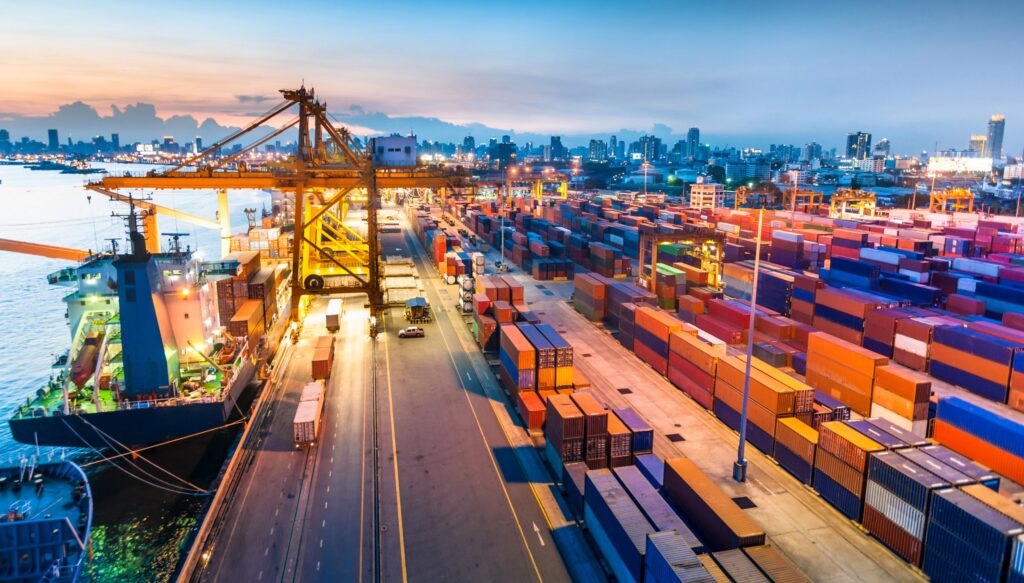
Shipping container China to Australia is one of the most popular trade routes for importers. However, navigating freight rates, customs, and transit times can be overwhelming without expert guidance. Reliable freight forwarders in China offer flexible solutions across sea freight, air freight, rail freight, and courier services, ensuring your cargo reaches Australia smoothly and cost-effectively.

What Does Shipping Container China to Australia Mean?

shipping container china to australia

It refers to transporting goods in 20ft or 40ft containers between China’s major ports and Australia. Most shipments are done via ocean freight, given its cost efficiency for bulk cargo.

How Much Does Shipping Container China to Australia Cost?

Shipping rates vary depending on container size, shipping line, season, and route.

Container TypeAverage Cost (USD)Typical Cargo
20ft Standard$1,200 – $2,000Furniture, textiles
40ft Standard$2,000 – $3,500Electronics, machinery
40ft High Cube$2,200 – $3,800Bulky items

How Long Does Shipping Container China to Australia Take?

RouteAverage Transit Time
Shanghai → Sydney18–22 days
Ningbo → Melbourne20–25 days
Shenzhen → Brisbane22–28 days
Qingdao → Fremantle25–30 days

What are you waiting for?

Contact TJ China Freight for a fast, free quote.

  Are you ready to book?

    Access live instant freight quotes

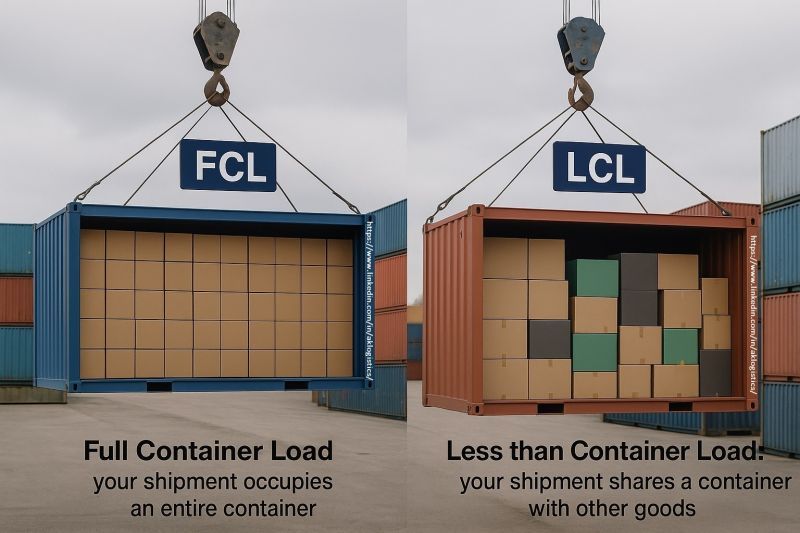
Should You Choose FCL or LCL?

  • FCL (Full Container Load): Best for larger shipments; lower cost per unit, faster handling.
  • LCL (Less than Container Load): Suitable for small cargo volumes; lower upfront cost, but longer due to consolidation.
OptionProsCons
FCLSecure, efficient, predictableHigher initial cost
LCLAffordable for small loadsSlower, risk of damage

What Documents Are Needed for Customs Clearance?

DocumentPurpose
Bill of Lading (B/L)Proof of shipment
Commercial InvoiceDeclares cargo value
Packing ListCargo details
Certificate of OriginConfirms manufacturing country
Import Declaration (Australia)Required by Australian Border Force

Without proper paperwork, shipping container China to Australia may face costly delays.

Should You Choose FCL or LCL for Sea Freight?

shipping container china to australia
  • FCL (Full Container Load): Cost-effective for bulk goods, offers more security and less handling.
  • LCL (Less than Container Load): Affordable for small importers, but involves longer consolidation and deconsolidation times.
OptionProsCons
FCLSecure, efficient, predictableHigher initial cost
LCLAffordable for small loadsSlower, risk of damage

What Documents Are Needed for Customs Clearance?

DocumentPurpose
Bill of Lading (B/L)Proof of shipment
Commercial InvoiceDeclares cargo value
Packing ListCargo details
Certificate of OriginConfirms manufacturing country
Import Declaration (Australia)Required by Australian Border Force

Without proper paperwork, shipping container China to Australia may face costly delays.

What Factors Affect the Cost of Shipping Container China to Australia?

  • Container size (20ft vs 40ft).
  • Weight and cubic volume.
  • Shipping season (peak or off-peak).
  • Port charges and customs duties.
  • Type of cargo (hazardous, refrigerated).

Is Sea Freight Better than Air or Rail Freight?

Mode of TransportCostTransit TimeBest For
Shipping Container China to Australia (Sea Freight)Lowest18–30 daysBulk shipments
Air FreightHighest3–7 daysUrgent goods
Rail Freight*Medium15–25 daysEurasian routes (limited to EU, not AUS)

Which Are the Major Ports for Shipping Container China to Australia?

  • China: Shanghai, Shenzhen, Ningbo, Guangzhou, Qingdao.
  • Australia: Sydney, Melbourne, Brisbane, Fremantle.

Choosing efficient port combinations reduces transit time and costs.

How to Reduce Costs in Shipping Container China to Australia?

  • Book shipments early during off-peak seasons.
  • Consolidate cargo into FCL for better pricing.
  • Use reliable freight forwarders for negotiated rates.
  • Optimize packaging to reduce volumetric weight.
  • Compare multiple carriers and routes.

Final Thoughts

Shipping container China to Australia is the most economical way to import bulk goods, offering flexibility through FCL and LCL. While transit times are longer than air freight, the cost savings and capacity make sea freight the preferred choice. With careful planning, proper documentation, and guidance from reliable freight forwarders, businesses can ensure smooth delivery and reduce supply chain risks.


FAQ

Q1. Can I track my container from China to Australia?

Yes, most freight forwarders provide online tracking systems for end-to-end visibility.

Yes, certain agricultural and hazardous items face strict biosecurity rules.

Booking at least three weeks in advance is recommended.

Tariffs depend on HS codes and the product category.

Expect port handling fees, customs duties, storage, and delivery charges.

Post a Comment