Shipping Cost from China to Europe: Complete 2025 Guide
Calculating the shipping cost from China to Europe is a top priority for importers, exporters, and e-commerce sellers. Costs depend on container size, cargo type, and the method of transport—whether sea, air, or rail. However, with careful planning, you can lower costs, speed up deliveries, and keep your supply chain efficient. This article explains average rates, transit times, customs duties, and strategies to save money.
1. What Determines the Shipping Cost from China to Europe?
Several factors affect international freight rates:
Shipping method (sea, air, rail, courier)
Cargo weight and volume
Container size (20ft, 40ft, LCL)
Port of origin and destination
Seasonal demand (peak vs. off-peak)
Customs duties, VAT, and handling charges
Therefore, businesses must always calculate total landed cost, not just freight prices.
2. How Much Is Sea Freight Shipping Cost from China to Europe?
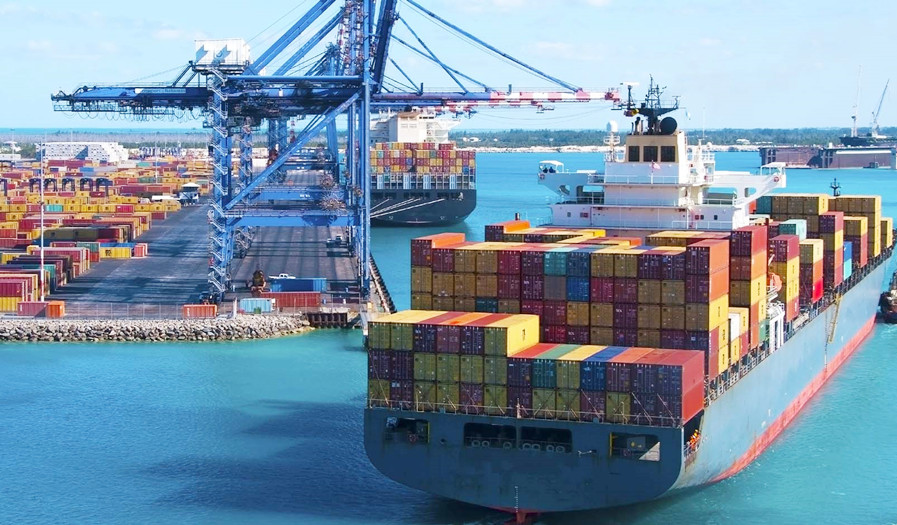
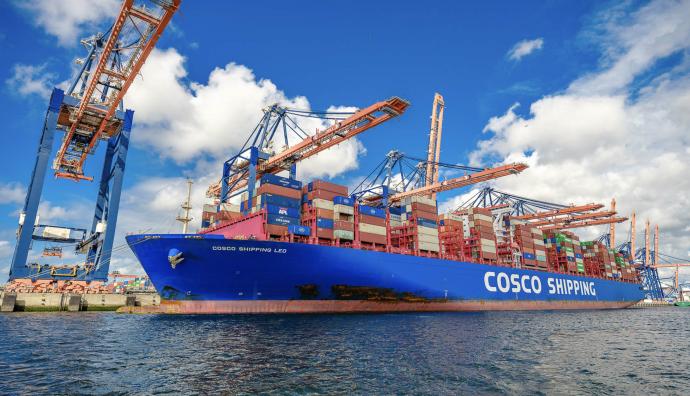
Sea freight is the most cost-effective solution for bulk cargo.
Container Type
Average Cost (USD)
Notes
20ft FCL
$1,800 – $2,500
Ideal for medium shipments
40ft FCL
$3,000 – $4,500
Lower cost per CBM
LCL (per CBM)
$100 – $150
Flexible for small loads
Moreover, FCL (Full Container Load) offers more security, while LCL (Less than Container Load) is practical for smaller businesses.
3. How Much Is Rail Freight Cost from China to Europe?
The China–Europe rail corridor is gaining popularity for its balance of speed and price.
Container Type
Average Cost (USD)
Transit Time
20ft FCL
$4,500 – $5,500
18–22 days
40ft FCL
$7,000 – $8,500
20–25 days
LCL (per CBM)
$250 – $350
20–25 days
Additionally, rail freight is eco-friendly and reliable, though not as cheap as sea freight.
4. How Much Does Air Freight Cost from China to Europe?
Air freight ensures speed but at higher costs.
Weight
Average Cost (USD)
Transit Time
100 kg
$500 – $700
3–5 days
300 kg
$1,500 – $2,000
4–6 days
500 kg
$2,500 – $3,500
5–7 days
Therefore, air freight is best for urgent, valuable, or time-sensitive shipments.
5. How Long Does Shipping Take from China to Europe?
Shipping Method
Transit Time
Sea Freight
30–40 days
Rail Freight
18–25 days
Air Freight
3–7 days
Express Courier
2–5 days
Although sea freight is slowest, it remains the most affordable option for large-volume shipping.
6. Which European Ports Receive Goods from China?
Rotterdam, Netherlands – Europe’s largest port.
Hamburg, Germany – Excellent inland connections.
Antwerp, Belgium – Gateway for Western Europe.
Piraeus, Greece – Ideal for Southern Europe.
Felixstowe, UK – Main hub for UK imports.
Choosing the right port lowers inland transport costs.
7. What Documents Are Required for Customs Clearance?
Document
Purpose
Bill of Lading / Air Waybill
Proof of shipment
Commercial Invoice
Declares product value
Packing List
Cargo breakdown
Certificate of Origin
Confirms manufacturing source
Customs Declaration
Required for duties/taxes
Import Permits (if needed)
For restricted goods
Accurate documentation prevents customs delays and extra charges.
8. What Duties and Taxes Apply in Europe?
Importers pay duties and taxes based on the CIF value (Cost + Insurance + Freight).
Customs Duty: Varies by HS code (0–20%).
VAT: Ranges from 17%–27% depending on the country.
Other Fees: Handling, brokerage, and inspection charges.
Therefore, importers should calculate these alongside freight costs for budgeting.
10. How to Reduce Shipping Costs from China to Europe?
Book early to secure lower rates.
Ship in FCL instead of multiple LCL consignments.
Consolidate shipments to fill containers.
Use alternative ports to bypass congestion.
Partner with experienced freight forwarders for better rates.
11. Pros and Cons of Different Freight Options
Option
Pros
Cons
FCL
Secure, cheaper per unit
Requires large volume
LCL
Flexible, lower entry
Longer processing
Rail
Fast, eco-friendly
More expensive
Air
Fastest
Extremely costly
12. Why Work with a Freight Forwarder?
Freight forwarders help businesses by:
Negotiating competitive freight rates.
Handling customs paperwork.
Offering multimodal solutions.
Providing shipment tracking.
Ensuring compliance with regulations.
Therefore, working with forwarders ensures efficiency and reduced costs.
📦Get a Free Quote
Managing shipping cost from China to Europe requires knowledge of freight rates, customs duties, and delivery schedules. At ChinaTopFreight, we specialize in cost-effective sea, air, and rail shipping with end-to-end customs support. Contact us today for a free quote and optimize your supply chain.
1. What is the average shipping cost from China to Europe?
A 20ft container costs around $1,800–$2,500, while a 40ft container is $3,000–$4,500.
2. How long does shipping take from China to Europe?
Sea takes 30–40 days, rail 18–25 days, and air 3–7 days.
3. Is rail freight cheaper than sea freight?
No. Rail is faster but usually costs more than sea freight.
4. Do freight rates include customs duties?
No. Duties, VAT, and handling fees are billed separately.
5. Which European port is cheapest for imports?
Rotterdam is often the most cost-efficient due to its scale and connections.
Conclusion
The shipping cost from China to Europe varies depending on method, container size, and final destination. Sea freight is cheapest for bulk shipments, rail provides a balance of cost and time, and air ensures the fastest delivery. Businesses must consider duties, taxes, and inland costs in addition to freight charges. Partnering with a reliable freight forwarder ensures competitive rates, smoother customs clearance, and on-time delivery.