

- By carlie tj
- August 26, 2025
- Tips or Guide, Transport
Thailand is one of China’s closest trade partners in Southeast Asia. From electronics and textiles to furniture and auto parts, thousands of containers, air shipments, and courier parcels move between the two countries every month. Yet many importers face the same questions: What is the real shipping cost from China to Thailand? Which method should I choose? How can I avoid delays and hidden charges?
This guide answers these concerns directly. We compare sea, air, and rail freight, explain cost structures, and provide practical strategies for importers. Whether you run a small e-commerce shop or a large wholesale business, understanding shipping cost from China to Thailand is essential for profitability and supply chain efficiency.
👉 For professional help, visit China Top Freight.
1. What Is the Cheapest Shipping Cost from China to Thailand?
Importers often want the most economical solution. The cheapest shipping cost from China to Thailand is usually sea freight, especially for volumes above 2 CBM. By consolidating cargo into shared containers, small businesses also benefit from lower costs.
💡 Plan shipments during off-peak months to save 10–15% on rates.
📌2. How Much Does Sea Freight Cost from China to Thailand?
Sea freight dominates bulk trade because it balances cost and reliability.
| Route | 20ft FCL | 40ft FCL | Average Transit Time |
|---|---|---|---|
| Shanghai → Bangkok | $1,000–$1,400 | $1,800–$2,500 | 7–10 days |
| Shenzhen → Laem Chabang | $900–$1,300 | $1,700–$2,400 | 6–9 days |
3. What Is the Air Freight Cost from China to Thailand?
Air freight is faster and used for urgent or high-value cargo.
- Cost: $3.5–$6 per kg.
- Transit Time: 1–3 days.
- Best Cargo: Electronics, garments, perishables.
💡 Air freight is often cheaper than LCL once handling charges are considered for small loads.
📌4. Why Use a Freight Forwarder for China-Thailand Trade?
A reliable freight forwarder negotiates better rates, ensures compliance, and provides tracking. Services include:
- Rate negotiations with carriers.
- Door-to-door delivery solutions.
- Real-time cargo monitoring.
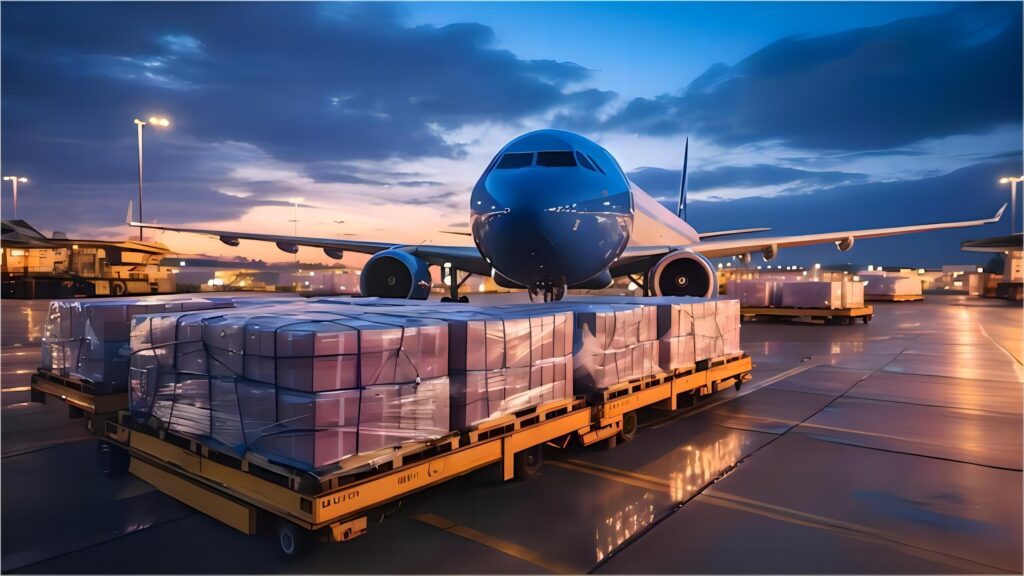
5.Practical Ways to Lower Shipping Costs
- Consolidate shipments with partners.
- Book containers early for lower rates.
- Use rail freight when sea ports are congested.
- Negotiate long-term contracts with reliable forwarders.
6.How Do Customs Clearance Fees Work for China-Thailand Imports?
To avoid clearance delays, importers must prepare:
- Commercial invoice & packing list.
- Bill of lading / air waybill.
- Certificate of origin (if tariff reductions apply).
7.Conclusion
Understanding the shipping cost from China to Thailand helps businesses reduce expenses, avoid delays, and improve supply chain reliability. Sea freight is cheapest, air freight is fastest, and rail freight offers balance. Door-to-door services simplify the process, while a reliable freight forwarder ensures smooth customs clearance and real-time support.
8. Request a Quote
China Top Freight offers:
- ✅ Origin and Destination Countries
- ✅ Cargo Type and Volume
- ✅ Preferred Transport Method (Air, Sea, Rail, Road)
- ✅ Delivery Timeline
- ✅ Special Handling Requirements (if any)
9. FAQ
Q1: How do I prepare my team for unexpected disruptions?
Train staff on contingency plans, keep backup suppliers ready, and review emergency procedures regularly.
Q2: What steps reduce the risk of hidden charges?
Request itemized quotes, confirm port fees in writing, and ask about surcharges before booking.
Q3: How can I keep communication smooth with carriers?
Use digital platforms for real-time updates, share accurate forecasts, and respond quickly to schedule changes.
Q4: What role does packaging play in successful transport?
Strong packaging protects goods, lowers claims, and speeds up customs checks by meeting standards.
Q5: How do I handle sudden changes in regulations?
Monitor trade bulletins, consult with your forwarder, and adjust routes or documents immediately if needed.