

Shipping directly to Amazon FBA from China is one of the most effective ways for e-commerce sellers to streamline logistics and reduce handling costs. However, without proper planning, issues like customs delays, high shipping charges, or improper labeling can disrupt the supply chain. Working with experienced Chinese freight forwarders offering sea freight, air freight, courier, and even rail freight ensures smoother operations for Amazon sellers worldwide.
What Does Shipping Directly to Amazon FBA from China Involve?
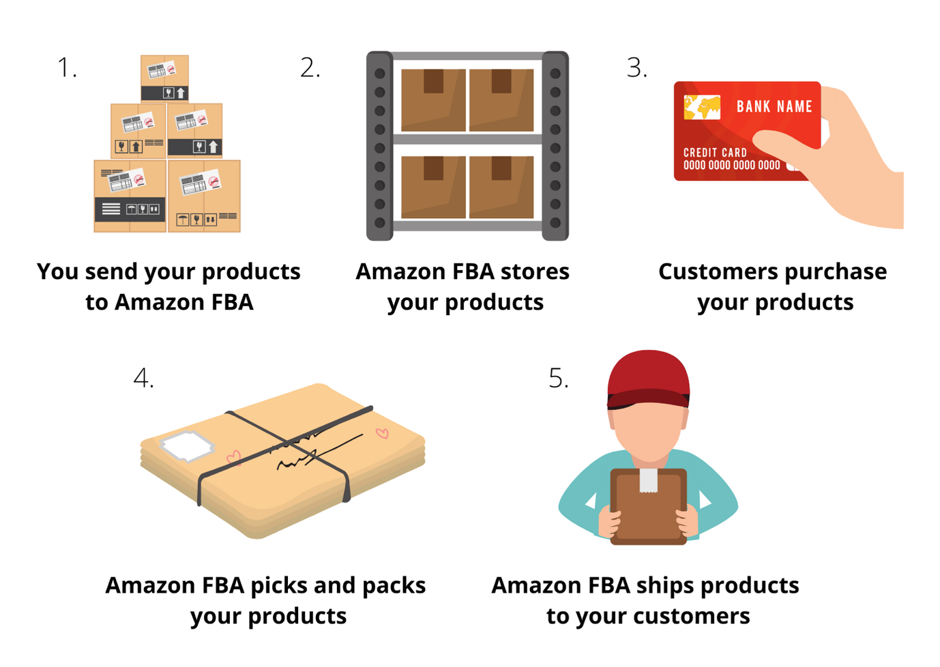
Shipping products directly to Amazon’s fulfillment centers means bypassing intermediate warehouses. Sellers coordinate with suppliers and freight forwarders to package, label, and transport goods under Amazon’s strict FBA requirements.
How Much Does It Cost to Ship Directly to Amazon FBA?
| Shipping Method | Average Cost | Best For |
|---|---|---|
| Sea Freight (FCL) | $2,000–$4,000 per container | Large, heavy inventory |
| Sea Freight (LCL) | $100–$200 per cubic meter | Smaller shipments |
| Air Freight | $4.50–$7.00 per kg | Urgent or high-value goods |
| Express Courier | $6–$9 per kg | Small parcels, e-commerce restock |
What are you waiting for?
Contact TJ China Freight for a fast, free quote.
Are you ready to book?
Access live instant freight quotes
How Long Does Shipping Directly to Amazon FBA from China Take?
| Route | Transit Time | Method |
|---|---|---|
| Shanghai → USA (West Coast FBA) | 18–25 days | Sea Freight |
| Shenzhen → USA (East Coast FBA) | 30–35 days | Sea Freight |
| Shanghai → USA (Air Freight) | 5–9 days | Air Freight |
| Shenzhen → Europe (Air Freight) | 6–10 days | Air Freight |
Should You Use FCL or LCL for Amazon FBA?
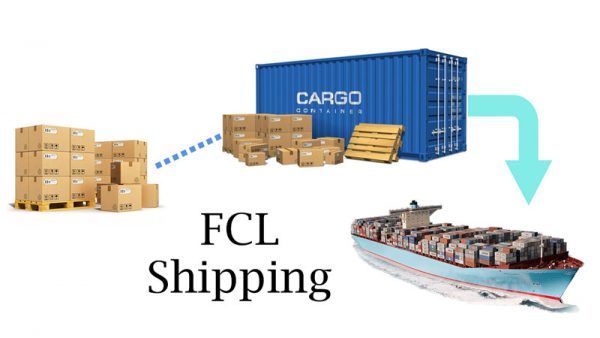
- FCL (Full Container Load): Faster handling, cost-effective for large orders, less risk of damage.
- LCL (Less than Container Load): Ideal for small shipments, lower upfront cost, but consolidation may delay delivery.
| Option | Advantages | Disadvantages |
|---|---|---|
| FCL | Cheaper per unit, secure, quicker | Requires high volume |
| LCL | Affordable for small orders | Slower, mixed cargo risks |
What Documents Are Needed for Shipping Directly to Amazon FBA?
| Document | Purpose |
|---|---|
| Bill of Lading (B/L) or Air Waybill (AWB) | Proof of shipment |
| Commercial Invoice | Declares cargo value |
| Packing List | Confirms shipment details |
| Importer Security Filing (ISF) | Required for US shipments |
| Amazon FBA Shipment Plan | Ensures compliance with Amazon requirements |
How Do Customs and Duties Affect Costs?
Customs clearance is essential when shipping directly to Amazon FBA from China. Duties depend on product classification under HS codes. Additionally, importers must pay VAT, tariffs, and local customs brokerage fees depending on the destination country.
What Are the Advantages of Shipping Directly to Amazon FBA?
- Reduced costs: No third-party warehouses needed.
- Faster delivery: Direct route to Amazon’s fulfillment centers.
- Compliance: Proper labeling ensures products are Prime-ready.
- Scalability: Easier to manage large-volume shipments.
How Do You Ensure Compliance with Amazon’s FBA Rules?
- Label all products with scannable barcodes.
- Follow Amazon packaging guidelines (poly bags, bubble wrap, cartons).
- Schedule delivery appointments at Amazon’s fulfillment centers.
- Provide carton content information in advance.
Can You Ship via Courier or Express to FBA?
Yes. Couriers like DHL, UPS, and FedEx allow direct delivery to Amazon warehouses. While more expensive, this option suits small or urgent shipments.
Air Freight vs. Sea Freight: Which Is Best for FBA Sellers?
| Method | Pros | Cons |
|---|---|---|
| Air Freight | Fast, reliable, trackable | Expensive, limited cargo |
| Sea Freight | Cost-effective, high capacity | Slower, customs delays |
Therefore, large shipments benefit from sea freight, while urgent deliveries favor air freight or express courier.
Which Freight Forwarders Are Best for FBA Shipping?
Freight forwarders with Amazon FBA experience handle labeling, palletizing, and customs clearance. They also coordinate with carriers to ensure on-time delivery to Amazon fulfillment centers.
How to Reduce Shipping Directly to Amazon FBA from China Cost?
- Ship during off-peak seasons.
- Consolidate multiple supplier orders into one container.
- Negotiate long-term contracts with freight partners.
- Use FCL whenever possible to reduce per-unit costs.
- Ensure packaging meets Amazon’s guidelines to avoid re-labeling fees.
Key Challenges When Shipping Directly to Amazon FBA
- Strict FBA delivery appointments.
- Customs delays due to incomplete documentation.
- High air freight rates during peak seasons.
- Packaging rejections for non-compliance with Amazon requirements.
Final Thoughts
Shipping directly to Amazon FBA from China is the most efficient way for sellers to reduce costs, speed up delivery, and ensure inventory is Prime-ready. While air freight offers speed and sea freight provides savings, both options are viable depending on shipment size and urgency. Partnering with experienced freight forwarders helps avoid compliance issues, reduces risks, and improves supply chain efficiency.
FAQ
Q1. Can I ship directly to Amazon FBA from multiple Chinese suppliers?
Yes, freight forwarders can consolidate products from different suppliers into one shipment, saving costs and ensuring smooth customs clearance.
Q2. How early should I book FBA shipments from China?
Book at least three weeks in advance, especially during peak seasons, to avoid space shortages and high rates.
Q3. Do I need an importer of record for FBA shipments?
Yes. Amazon does not act as importer, so sellers must appoint themselves or a broker to handle customs.
Q4. What happens if my shipment does not meet Amazon’s labeling rules?
Non-compliant shipments may be rejected or relabeled at additional fees, delaying inventory availability on Amazon.
Q5. What is the difference between DDP and FOB for FBA shipping?
DDP covers all duties and delivery to Amazon, while FOB ends responsibility once goods are on board in China.