

- By carlie tj
- September 11, 2025
- Tips or Guide, Transport
Choosing the right shipping forwarder China to Philippines can determine whether your import process is smooth or filled with costly delays. With China Top Freight, businesses gain access to cost-effective rates, professional customs clearance, and reliable logistics solutions tailored for every shipment.
1. Why Do You Need a Shipping Forwarder from China to the Philippines?
Importing directly without a forwarder often leads to hidden costs, delayed schedules, and compliance issues. A freight forwarder manages:
- Carrier bookings
- Customs paperwork
- Cargo consolidation
- Last-mile delivery
Therefore, working with a trusted forwarder reduces risks and ensures better supply chain visibility.
2. What Are the Main Shipping Methods from China to the Philippines?
Depending on your shipment size, urgency, and budget, multiple options are available.
| Shipping Method | Average Cost (USD) | Transit Time | Best For |
|---|---|---|---|
| Sea Freight (FCL 20ft) | $1,200 – $1,600 | 8–14 days | Bulk cargo, cost efficiency |
| Sea Freight (LCL) | $90–$120 per CBM | 10–16 days | Small or medium loads |
| Air Freight | $5 – $8 per kg | 3–5 days | Urgent, valuable goods |
| Courier | $8 – $12 per kg | 2–4 days | Small parcels, e-commerce orders |
Insight: Sea freight is the cheapest per unit, while air and courier services are chosen for speed.
3. How Much Does It Cost to Ship a Container to the Philippines?
Container shipping costs vary based on origin port and seasonal demand.
| Container Type | Average Cost (USD) | Transit Time | Notes |
|---|---|---|---|
| 20ft FCL | $1,200 – $1,600 | 8–14 days | Suitable for ~28 CBM cargo |
| 40ft FCL | $1,800 – $2,400 | 8–14 days | Ideal for high-volume shipments |
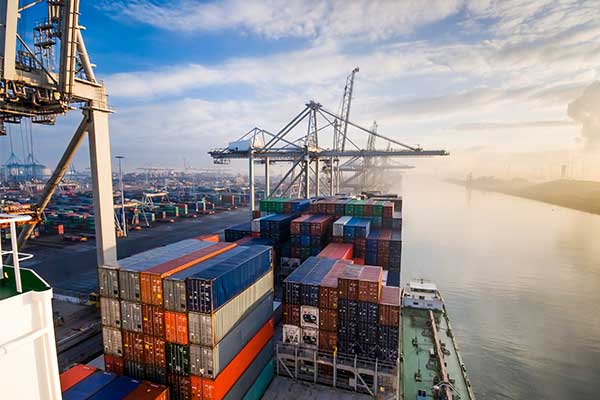
4. Which Ports Are Commonly Used for Shipments to the Philippines?
- Manila Port – busiest and most connected
- Cebu Port – strategic for Visayas region
- Davao Port – convenient for Mindanao imports
- Batangas Port – alternative to Manila congestion
Choosing the right destination port can reduce trucking time and local handling fees.
5.Should You Choose FCL or LCL for China–Philippines Shipments?
| Option | Pros | Cons |
|---|---|---|
| FCL | Lower cost per CBM, secure, faster handling | Higher upfront cost |
| LCL | Pay only for used space, flexible | Longer due to consolidation |
Recommendation: Businesses with over 15 CBM should book an FCL container for better value.
6.Why Choose China Top Freight as Your Shipping Partner?
- Competitive rates for both sea and air freight
- Dedicated customs clearance assistance
- Flexible FCL, LCL, and courier solutions
- Experienced in handling Philippines-bound cargo
Therefore, working with an experienced partner ensures a hassle-free supply chain.
You don’t have to manage complex logistics alone. Partnering with a trusted shipping forwarder China to Philippines like China Top Freight ensures competitive costs, faster clearance, and safe delivery. Contact us today for a customized quote and reliable logistics support.
7.Conclusion
Understanding shipping forwarder China to Philippines services is crucial for cost savings, speed, and compliance. Sea freight offers affordability for bulk cargo, while air freight ensures quick delivery. Meanwhile, reliable forwarders provide the expertise needed to avoid costly mistakes.
For importers seeking smooth, cost-effective shipping, China Top Freight is your trusted logistics partner. Request your tailored shipping quote today and simplify your China–Philippines trade journey.
8. Request a Quote
China Top Freight offers:
- ✅ Origin and Destination Countries
- ✅ Cargo Type and Volume
- ✅ Preferred Transport Method (Air, Sea, Rail, Road)
- ✅ Delivery Timeline
- ✅ Special Handling Requirements (if any)
9. FAQ
Q1: How much does air freight from China to the Philippines cost?
Air freight averages $5–$8 per kg, depending on cargo size, airline, and chosen route.
Q2: Can small businesses use LCL shipping to the Philippines?
LCL is ideal for small importers as charges are per CBM, allowing affordable access to shipping without needing full containers.
Q3: Which port is best for importing goods into the Philippines?
Manila is the busiest and most connected, but Cebu and Davao may reduce local distribution costs for regional deliveries.
Q4: How long does sea freight from China to the Philippines take?
Typical transit times range from 8–16 days, depending on port congestion and final inland trucking.
Q5: Do freight forwarders help with customs clearance in the Philippines?
Yes, forwarders manage paperwork, HS code classification, and duties calculation, ensuring a faster and smoother import process.