

- By carlie tj
- August 28, 2025
- Tips or Guide, Transport
Trade between China and Australia continues to expand, with businesses importing machinery, electronics, fashion, and raw materials. Working with reliable partners for shipping from China to Australia helps companies cut costs, shorten transit times, and avoid customs issues. By comparing freight modes, preparing accurate documentation, and adopting digital tools, importers secure smoother and more efficient deliveries. This guide explains costs, timelines, customs clearance, and strategies to optimize logistics.
1. Air Freight in Shipping from China to Australia – Fastest for Urgent Deliveries
Air cargo ensures quick delivery within 3–6 days, perfect for time-sensitive goods like electronics, pharmaceuticals, and high-value items. Although costs are higher, air freight avoids stockouts and meets tight deadlines.
Table 1: Air Freight Options
| Mode | Avg. Cost | Transit Time | Best For |
|---|---|---|---|
| Standard Air Cargo | $5.5–$7 per kg | 4–6 days | Urgent mid-size cargo |
| Express Air Cargo | $7–$9 per kg | 2–3 days | Critical shipments |
2. Sea Freight in Shipping from China to Australia – Reliable for Bulk Cargo
Sea freight remains the backbone of China–Australia trade. Importers shipping machinery, raw materials, and textiles often choose this option because of affordability and capacity. Both FCL and LCL are available, and choosing the right type prevents extra costs.
Table 2: Sea Freight Options
| Mode | Avg. Cost (2025) | Transit Time | Best For |
|---|---|---|---|
| FCL | $1,600–$2,200 | 18–25 days | Large, stable shipments |
| LCL | $65–$85 per CBM | 20–28 days | Small, flexible shipments |
3.Courier Services in Shipping from China to Australia – Simple and Flexible
Courier providers such as DHL, FedEx, and UPS offer door-to-door delivery, including customs and last-mile logistics. Though more expensive per kilogram, they remain ideal for e-commerce parcels, urgent documents, and product samples.
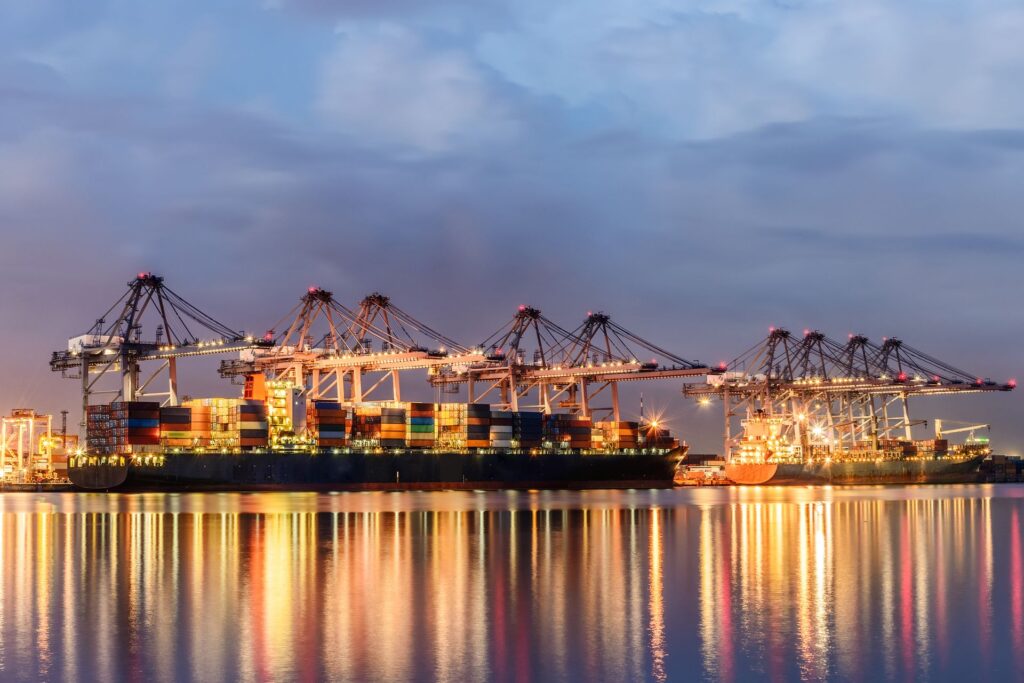
4. FCL vs LCL – Which to Choose?
FCL (Full Container Load): Faster handling, lower risk of damage, and cost efficiency for large volumes.
LCL (Less than Container Load): Flexible, cost-sharing solution for smaller shipments.
By working closely with freight agents, businesses avoid mismatches and select the best option.
5.Leveraging Trade Agreements – Reducing Costs
China–Australia trade agreements lower tariffs on certain goods. By filing correct paperwork, importers claim preferential duties and strengthen competitiveness.
6.Leveraging Trade Agreements – Reducing Costs
China–Australia trade agreements lower tariffs on certain goods. By filing correct paperwork, importers claim preferential duties and strengthen competitiveness.
7.Conclusion
Efficient shipping from China to Australia requires the right mix of freight mode, proper documentation, and reliable partners. By leveraging trade agreements, digital tools, and inland solutions, businesses save money, avoid delays, and strengthen supply chains.
8. Request a Quote
China Top Freight offers:
- ✅ Origin and Destination Countries
- ✅ Cargo Type and Volume
- ✅ Preferred Transport Method (Air, Sea, Rail, Road)
- ✅ Delivery Timeline
- ✅ Special Handling Requirements (if any)
9. FAQ
Q1: What steps help avoid port congestion during peak seasons?
Plan shipments well in advance, stay flexible with sailing dates, and maintain constant communication with carriers to reduce waiting times.
Q2: Why does packaging quality play such a big role in long-distance shipping?
Strong, well-labeled packaging prevents damage, ensures smoother handling at ports, and reduces the risk of disputes with consignees.
Q3: What actions improve visibility across multiple shipments?
Adopting digital tracking platforms gives real-time updates, allows proactive problem-solving, and keeps operations running smoothly.
Q4: Why is insurance important even for short routes?
Unforeseen delays, weather disruptions, and handling errors can occur at any stage, and insurance safeguards financial stability.
Q5: What role do local partners play after customs clearance?
Trusted local partners arrange inland transport quickly, handle documentation efficiently, and make the delivery process more predictable.