Shipping from China to Canada is a critical trade route for businesses importing electronics, apparel, machinery, and countless other products. Whether you choose sea freight, air freight, or even rail freight via intermodal connections, working with a reliable China freight forwarder is the key to ensuring timely delivery and cost efficiency. In 2025, the process has become more streamlined thanks to digital tracking, improved customs clearance procedures, and competitive freight services. However, choosing the right transportation mode and logistics partner can make a huge difference in your costs and timelines.
Why Canada Is a Key Market for Chinese Exports
Canada’s demand for Chinese products continues to grow due to competitive manufacturing costs and diverse product categories. From consumer electronics to industrial equipment, Canadian importers rely on China’s robust supply chain. Trade agreements, stable political relations, and well-developed port infrastructure in Vancouver, Montreal, and Halifax have made the route more efficient than ever.
Main Transportation Options
Mode of Transport
Best For
Transit Time
Cost Level
Notes
Sea Freight
Large, bulk shipments
20–35 days
Low
Best for cost savings, especially with FCL/LCL
Air Freight
Urgent or high-value goods
5–10 days
High
Faster delivery, higher cost
Rail Freight (Intermodal)
Balance of speed and cost
15–25 days
Medium
Usually connects via U.S. or Europe
🚢Sea Freight from China to Canada
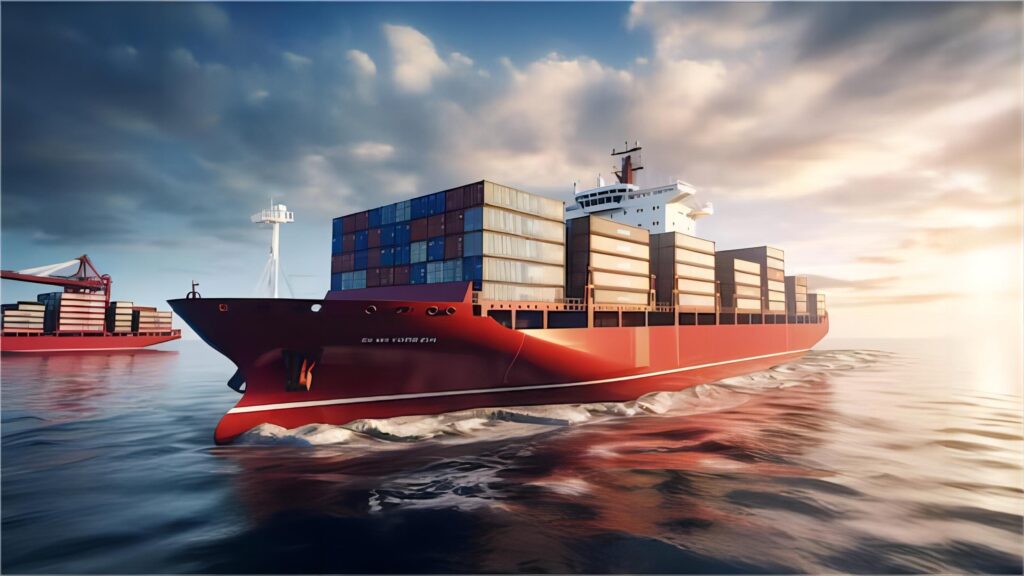
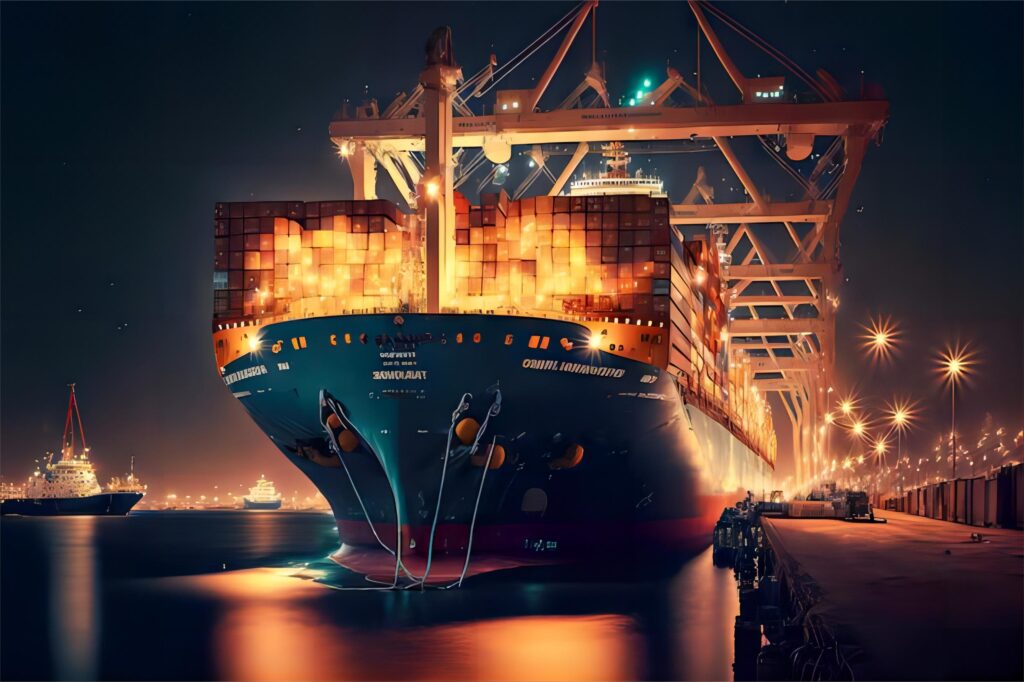
Sea freight remains the most popular choice for shipping from China to Canada due to its affordability and capacity for large loads.
FCL (Full Container Load): Best for large shipments with one consignee.
LCL (Less than Container Load): Cost-effective for smaller loads; you share container space with others.
Advantages:
Lower cost per unit.
Suitable for heavy or bulky items.
Regular shipping schedules from major Chinese ports (Shanghai, Ningbo, Shenzhen) to Vancouver and Montreal.
✈️Air Freight from China to Canada
When speed matters, air freight is the go-to choice. Perfect for electronics, fashion, or urgent spare parts, air freight provides fast delivery with advanced tracking capabilities.
Advantages:
5–10 days transit.
Reliable and less affected by seasonal congestion.
Ideal for high-value, low-volume cargo.
However, air freight costs are significantly higher than sea freight.
🚆Rail Freight & Intermodal Solutions
While Canada does not have a direct transcontinental rail link with China, intermodal transport can combine rail freight from China to Europe or the U.S., then connect by truck or sea to Canadian destinations.
Advantages:
15–25 days transit time.
Balanced cost and speed.
More eco-friendly than air freight.
Customs Clearance for Canada Imports
Smooth customs clearance is essential for shipping from China to Canada. Key steps include:
Correct HS code classification.
Providing a detailed commercial invoice and packing list.
Complying with Canadian import regulations (especially for food, electronics, and health products).
Paying applicable duties and taxes (GST, PST, or HST).
A reliable China freight forwarder will often manage customs clearance on your behalf.
Factors Affecting Shipping Costs
Transport mode: Sea is cheapest; air is fastest but most expensive.
Weight and volume: Freight charges are calculated based on actual or volumetric weight.
Seasonal demand: Higher costs during peak seasons like pre-Christmas and Chinese New Year.
Fuel surcharges: Fluctuate with global oil prices.
Destination port: Vancouver is usually more cost-effective than East Coast ports.
We ensure your agent Chinais handled with maximum care and transparency.
Final Thoughts
Shipping from China to Canada in 2025 offers multiple options, from budget-friendly sea freight to fast air freight and flexible rail freight solutions. By working with a reliable China freight forwarder, businesses can optimize costs, avoid delays, and ensure smooth delivery. Understanding transit times, customs procedures, and cost factors is the key to making informed shipping decisions that support long-term business growth.
FAQ
1: Can I track my shipment from China to Canada in real time?
Yes, most forwarders provide tracking systems.
2: Do I need an import license for shipping from China to Canada?
Not for most goods, but some require permits.
3: Can I insure my shipment?
Yes, cargo insurance is recommended.
4: Are there restrictions on certain products?
Yes, items like firearms, plants, and some chemicals require special approval.
5: Can my supplier arrange the shipping?
Yes, but working with your own forwarder often gives better control and cost transparency.