

- By carlie tj
- August 22, 2025
- Logistics Guide
Trade between China and Egypt has grown significantly in recent years, with Egypt importing everything from textiles and electronics to heavy machinery and raw materials. For businesses, the real challenge often lies not in sourcing the products but in managing logistics, since understanding the shipping from China to Egypt cost involves more than just looking at freight rates — it also requires careful planning around transit times, customs duties, and seasonal fluctuations that can impact the total landed cost of your goods.
This article provides a comprehensive breakdown of available shipping methods, average prices for sea and air freight, delivery schedules, customs requirements, and strategies for keeping costs under control, so importers can confidently choose the best option for their supply chain.
1. How Much Does Sea Freight Cost from China to Egypt?
Sea freight remains the most cost-effective option for moving goods in bulk, and while prices fluctuate based on global demand, fuel charges, and port handling fees, these are the typical averages:
| Container Type | Avg. Cost (USD) | Notes |
|---|---|---|
| 20ft FCL | $1,200–$1,600 | Suitable for small to medium shipments |
| 40ft FCL | $1,800–$2,600 | Ideal for large-volume cargo |
| LCL (per CBM) | $60–$90 | Best for SMEs and smaller shipments |
2. How Long Does Sea Freight Take from China to Egypt?
Transit times depend on the departure port in China and the arrival port in Egypt, and while schedules are generally reliable, importers must always allow for some flexibility due to port congestion or customs checks.
| Route (China–Egypt) | Avg. Transit Time | Key Notes |
|---|---|---|
| Shanghai → Alexandria | 22–28 days | One of the busiest trade lanes |
| Shenzhen → Port Said | 20–25 days | Faster routes, often via Red Sea |
| Ningbo → Damietta | 25–30 days | May involve transshipment |

3. Is Air Freight Worth the Higher Shipping from China to Egypt Cost?
Air freight is far more expensive than ocean transport, yet for time-sensitive or high-value shipments, the speed and reliability justify the added expense. Many businesses importing electronics, spare parts, or perishable items prefer air cargo because a shipping from China to Egypt cost that is higher upfront may save significantly more by preventing stockouts and lost sales opportunities.
4. Should I Choose FCL or LCL Shipping for Egypt?
Choosing between FCL and LCL depends entirely on cargo size and cost objectives. FCL (Full Container Load) is best for large shipments where you fill the entire container, while LCL (Less than Container Load) is ideal for small businesses shipping limited volumes. Although LCL can take slightly longer due to consolidation and deconsolidation, it allows smaller importers to enjoy international trade without committing to the cost of a full container.
5. Which Egyptian Ports and Airports Handle Imports?
- Ports: Alexandria, Port Said, Damietta.
- Airports: Cairo International Airport, Borg El Arab Airport.
6.How Do Seasonal Trends Affect Shipping Prices?
The shipping from China to Egypt cost often rises during peak demand periods, particularly before Ramadan, during back-to-school seasons, and around global trade surges. Planning shipments well in advance and booking space early can help businesses avoid paying inflated rates.
7.How to Select a Reliable Freight Forwarder?
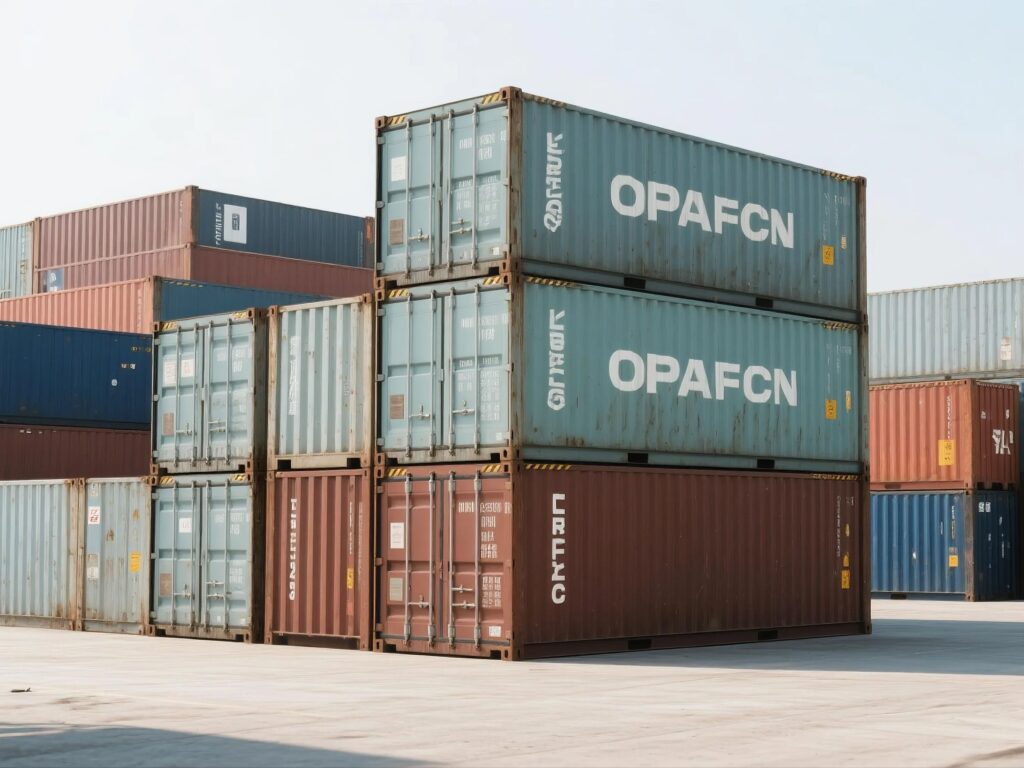
When choosing a freight forwarder, businesses should look for transparent pricing, strong networks in both China and Egypt, customs clearance expertise, and flexible shipping solutions. A reliable partner does more than simply arrange transport; they also reduce risks, handle paperwork, and provide tracking for peace of mind.
8. Request a Quote
China Top Freight offers:
- ✅ Origin and Destination Countries
- ✅ Cargo Type and Volume
- ✅ Preferred Transport Method (Air, Sea, Rail, Road)
- ✅ Delivery Timeline
- ✅ Special Handling Requirements (if any)
9. FAQ
Q1: Why do freight charges sometimes increase suddenly?
Carriers often adjust prices due to fuel costs, seasonal peaks, or space shortages. By booking in advance, you can better control expenses.
Q2: How can I prepare cargo to avoid unexpected handling fees?
Use sturdy packaging, provide accurate labels, and share complete documents early. These steps ensure smoother handling and reduce extra costs.
Q3: What happens if goods arrive earlier than planned at the port?
Early arrivals may lead to storage charges. Coordinating flexible pickup times helps you prevent unnecessary fees and delays.
Q4: Can different suppliers’ orders be shipped together?
Yes, consolidation services allow smaller loads to be combined. This strategy lowers per-unit costs and simplifies customs procedures.
Q5: How do I minimize risks during busy shipping seasons?
Plan shipments early, reserve space ahead of time, and keep clear communication with your logistics partner. This proactive approach avoids last-minute issues.