

- By carlie tj
- August 20, 2025
- Tips or Guide
Shipping from China to Hungary – Costs
This guide provides a complete breakdown of shipping from China to Hungary, covering costs, transit times, shipping methods (sea, air, and rail), documentation, and strategies to minimize risks. Whether you are a small e-commerce seller or a large-scale importer, understanding these logistics details will save money, time, and stress.
1. What Factors Affect the Shipping Cost from China to Hungary?
When calculating the shipping cost from China to Hungary, businesses must consider several elements:
- Transport mode – Sea, air, or rail greatly changes the price.
- Weight & volume – Larger and heavier goods increase costs.
- Container type – LCL (Less than Container Load) or FCL (Full Container Load).
- Origin port in China – Shanghai, Shenzhen, Ningbo, and Qingdao have different rate structures.
- Destination terminal in Hungary – Budapest is the primary hub.
- Seasonal demand – Costs rise during peak periods like pre-Christmas or Chinese New Year.
2. Sea Freight from China to Hungary – Affordable but Slower
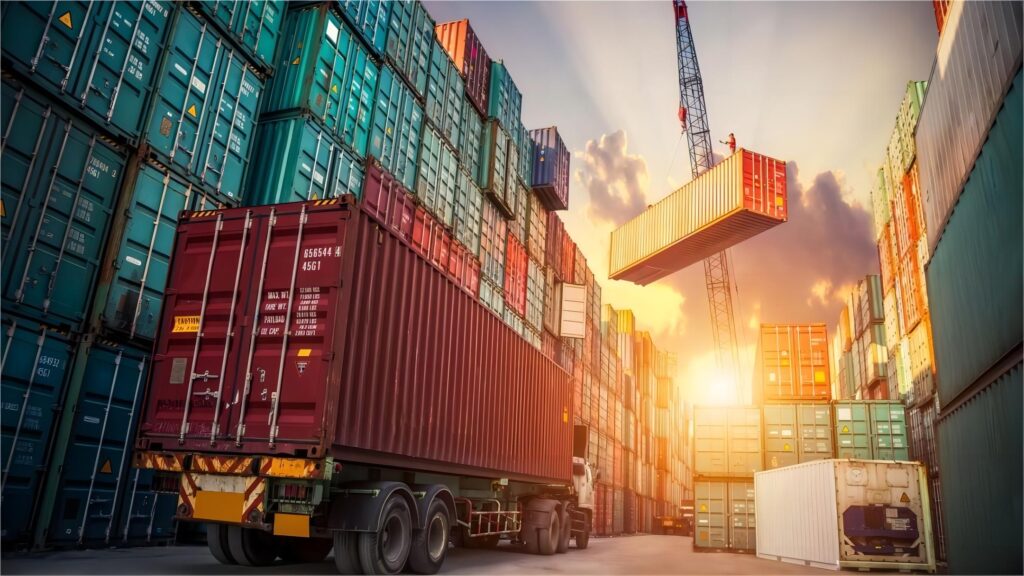
Sea freight remains the most economical choice for bulk shipments. Containers typically move from Chinese ports such as Shanghai or Ningbo to Hamburg or Koper, then reach Hungary by truck or barge.
Sea Freight Cost & Time Overview
| Container Type | Average Cost (USD) | Transit Time |
|---|---|---|
| 20-ft FCL | $1,500 – $2,500 | 30 – 35 days |
| 40-ft FCL | $2,800 – $4,500 | 30 – 35 days |
| LCL (per m³) | $150 – $250 | 35 – 40 days |
3. Air Freight from China to Hungary – Fast but Costly
Air Freight Cost & Time Overview
| Weight/Volume | Average Cost (USD) | Transit Time |
|---|---|---|
| Per kg | $5 – $8 | 3 – 7 days |
| 100+ kg cargo | Negotiable rates | 3 – 5 days |
Air freight ensures speed but raises costs significantly. It suits electronics, fashion products, pharmaceuticals, and e-commerce parcels.
4. Rail Freight from China to Hungary – A Balanced Option
Rail Freight Cost & Time Overview
| Container Type | Average Cost (USD) | Transit Time |
|---|---|---|
| 40-ft FCL | $6,500 – $9,000 | 15 – 20 days |
| LCL (per m³) | $350 – $500 | 18 – 22 days |
Rail freight is faster than sea and cheaper than air, making it a good choice for mid-volume shipments.
5. Required Documents for Shipping from China to Hungary
Smooth customs clearance in Hungary requires accurate paperwork. Commonly needed documents include:
- Commercial Invoice – Lists goods and value.
- Packing List – Details cargo contents and packaging.
- Bill of Lading (B/L) or Airway Bill (AWB) – Transport record.
- Certificate of Origin – Confirms manufacturing country.
- Import Licenses – Required for restricted goods.
Failure to provide correct documents can cause delays, fines, or storage fees.
6. Customs Duties & Taxes When Importing from China to Hungary
Since Hungary is an EU member, shipments are subject to EU customs regulations:
- Import duty – Based on product HS code.
- Value Added Tax (VAT) – 27% in Hungary.
- Excise duties – Apply to specific goods like alcohol or tobacco.
Pro Tip: Use the EU TARIC database to calculate duties for your product
7. Request a Quote
China Top Freight offers:
- ✅ Origin and Destination Countries
- ✅ Cargo Type and Volume
- ✅ Preferred Transport Method (Air, Sea, Rail, Road)
- ✅ Delivery Timeline
- ✅ Special Handling Requirements (if any)
8. FAQ
1. How do holidays in China or Europe affect shipping schedules?
Public holidays often slow down operations at ports, airports, and rail terminals. Planning shipments around these dates helps you avoid delays.
2. What hidden costs should I prepare for?
Charges such as terminal handling, storage, and demurrage often surprise importers. By clearing goods quickly, you can reduce these extra expenses.
3. How important is packaging for international transport?
Strong packaging prevents damage and reduces claims. At the same time, efficient packing lowers cargo volume, cutting freight charges.
4. Can I reduce costs by consolidating goods?
Yes. Combining smaller orders into one larger shipment spreads out fixed charges and helps you save money.
5. What role does tracking technology play?
Digital tracking gives real-time updates and increases visibility. As a result, you gain better control over timelines and customer communication.