

- By carlie tj
- August 20, 2025
- Tips or Guide, Transport
Indonesia, with over 270 million people and one of the fastest-growing consumer markets in Southeast Asia, has become a prime destination for Chinese exports. Electronics, textiles, machinery, and construction materials flow steadily between the two nations. However, for importers and businesses, understanding the full process of shipping from China to Indonesia is essential to control costs, ensure timely delivery, and maintain smooth operations.
1. What Factors Affect the Cost of Shipping from China to Indonesia?
The shipping cost from China to Indonesia depends on several variables:
- Mode of transport: Sea, air, and rail (via Malaysia/Singapore routes)
- Container size: FCL (20-ft, 40-ft) vs. LCL (per cubic meter)
- Cargo weight & volume
- Port pairings: Shanghai–Jakarta may differ from Shenzhen–Surabaya
- Peak season surcharges: Lunar New Year, holiday sales seasons
- Customs duties and taxes
| Mode of Transport | Cost Estimate | Transit Time | Best For |
|---|---|---|---|
| Sea Freight (FCL) | $1,000–$2,200 (20-ft) | 15–25 days | Bulk goods |
| LCL Sea Freight | $80–$150 per m³ | 18–28 days | Small shipments |
| Air Freight | $5–$8 per kg | 3–7 days | Urgent cargo |
| Rail + Trucking | Variable (~$4,000–$6,000 per container) | 15–20 days | Specialized routes |
📌2. Sea Freight from China to Indonesia – Cost & Transit Time
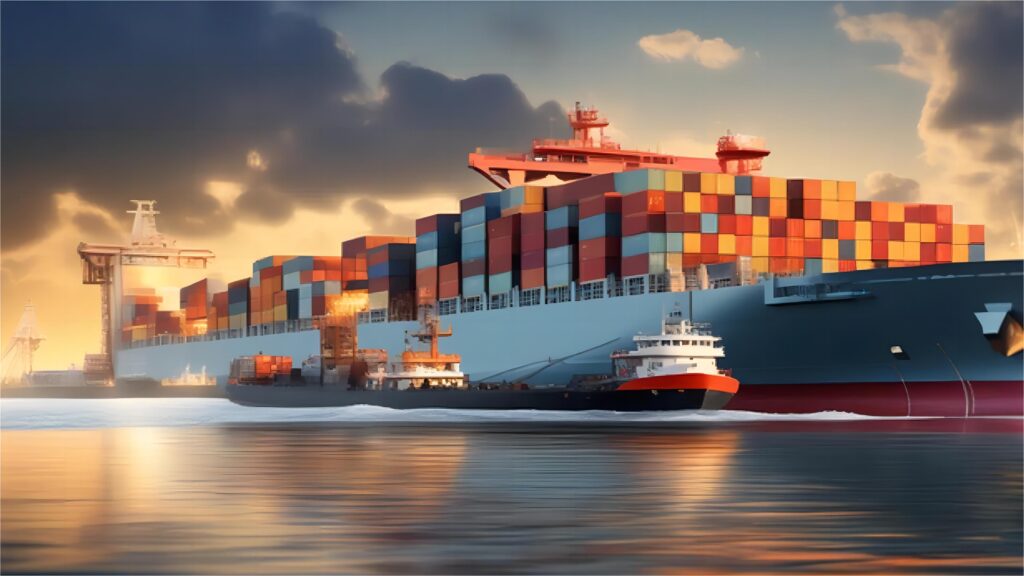
Sea freight remains the most cost-effective way to move goods in large volumes. Indonesia’s major ports include Jakarta (Tanjung Priok), Surabaya, Semarang, and Belawan.
- FCL (Full Container Load): Recommended for bulk goods.
- LCL (Less than Container Load): Suitable for small or medium-sized shipments.
Advantages:
- Lowest shipping cost per unit
- Flexible container sizes
- Regular sailing schedules
Challenges:
- Longer transit time
- Port congestion delays possible
3. Air Freight from China to Indonesia – Fast but Costly
Air freight is the fastest solution, often arriving in 3–7 days. It’s ideal for high-value or time-sensitive shipments like electronics, fashion items, and spare parts.
Costs: Around $5–$8 per kg, but can go higher for small volumes.
Key Airports: Jakarta (Soekarno-Hatta), Surabaya (Juanda), Bali (Ngurah Rai).
📌4. Rail Freight and Cross-Border Alternatives
Direct rail between China and Indonesia is not feasible due to geography, but rail freight to Malaysia or Singapore, combined with short-sea shipping or trucking, is growing in popularity.
- Transit time: 15–20 days
- Cost: More expensive than sea, but cheaper than air
- Use case: Mid-volume shipments that need faster delivery
5. Customs Clearance in Indonesia – What You Must Prepare
Every shipment must pass through Indonesia’s Directorate General of Customs and Excise. Incorrect paperwork often causes costly delays.
Required documents include:
- Commercial invoice
- Packing list
- Bill of lading or airway bill
- Certificate of origin
- Import Declaration Form (PIB)
Tips:
- Always use correct HS codes.
- Partner with a licensed customs broker.
- Ensure the consignee has an API (Importer Identification Number).
6. Request a Quote
China Top Freight offers:
- ✅ Origin and Destination Countries
- ✅ Cargo Type and Volume
- ✅ Preferred Transport Method (Air, Sea, Rail, Road)
- ✅ Delivery Timeline
- ✅ Special Handling Requirements (if any)
7. FAQ
1. How do seasonal peaks affect shipping rates?
During holidays such as Lunar New Year, demand rises sharply. As a result, rates increase and space becomes limited. Booking early helps secure better prices.
2. Can I reduce costs through shipment consolidation?
Yes. Combining multiple small orders into one larger shipment lowers per-unit costs. Forwarders often provide consolidation services to help businesses save.
3. What happens if my cargo is delayed at the port?
If clearance takes too long, storage and demurrage fees start adding up. Clearing goods quickly and preparing accurate paperwork prevents extra expenses.
4. How does packaging influence total expenses?
Good packaging reduces wasted space and weight. At the same time, it protects goods from damage, which lowers insurance claims and replacement costs.
5. Is shipment tracking available for all transport modes?
Most forwarders provide digital tracking tools. Air freight usually has more frequent updates, while sea shipments offer fewer but reliable status reports.