

- By kelly
- September 11, 2025
- Logistics, Tips or Guide
Shipping from China to Serbia: Complete 2025 Guide
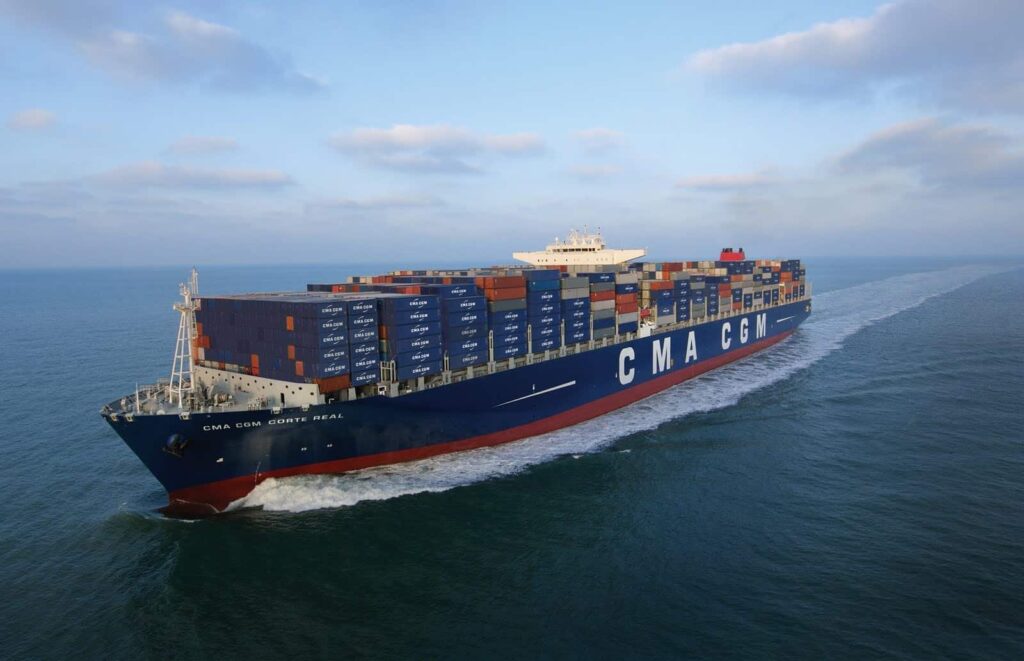
For businesses importing goods, efficient shipping from China to Serbia is crucial to keeping costs low and delivery times predictable. Serbia’s growing economy and strategic location in Europe make it an attractive hub for Chinese imports. However, importers must consider shipping methods, customs duties, and transit times to avoid delays and unnecessary costs. This guide covers everything you need to know for smooth and affordable shipping.
1. What Are the Main Shipping Options from China to Serbia?
Importers can choose from several shipping methods depending on urgency, budget, and cargo size.
| Method | Transit Time | Cost Level | Best For | Pros | Cons |
|---|---|---|---|---|---|
| Sea Freight (FCL/LCL) | 30–40 days | Lowest | Bulk shipments | Economical, large volume | Slow, risk of port delays |
| Rail Freight | 18–25 days | Medium | Large cargo to Europe | Faster than sea, eco-friendly | Limited schedules |
| Air Freight | 5–10 days | High | Urgent goods | Fast, reliable | Expensive |
| Express Courier (DHL, FedEx, UPS) | 3–7 days | Very High | Small parcels | Door-to-door, tracking | Pricey for heavy cargo |
Therefore, the choice depends on balancing cost with delivery speed.
2. How Long Does It Take to Ship from China to Serbia?
| Route | Mode | Average Transit Time |
|---|---|---|
| Shanghai – Belgrade (via Thessaloniki port) | Sea Freight | 35–40 days |
| Shenzhen – Belgrade (via rail through Hungary) | Rail Freight | 18–22 days |
| Guangzhou – Belgrade Nikola Tesla Airport | Air Freight | 5–8 days |
| Beijing – Belgrade (via DHL/FedEx/UPS) | Express Courier | 3–6 days |
Moreover, peak seasons like Chinese New Year or Christmas can extend delivery times by several days.
3. How Much Does Shipping from China to Serbia Cost?
| Cargo Type | Estimated Cost (USD) | Notes |
|---|---|---|
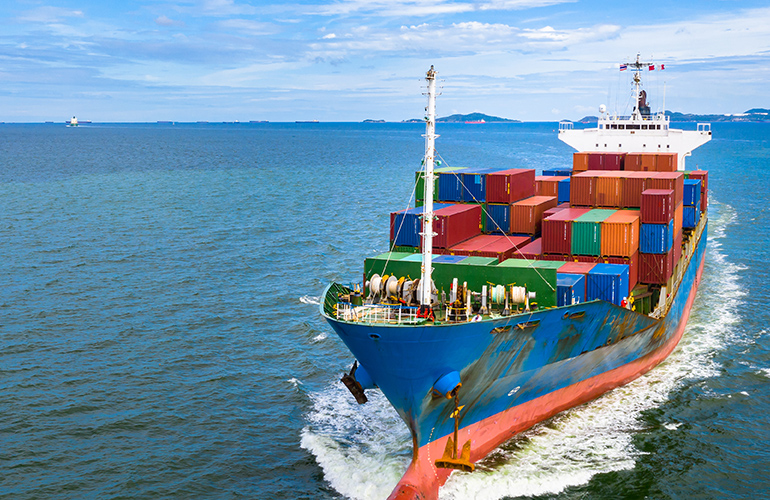
| 20FT Container (FCL) | $2,000–$2,500 | Bulk shipping |
| 40FT Container (FCL) | $3,500–$4,200 | Economical per unit |
| LCL (per CBM) | $120–$180 | Flexible for small loads |
| Air Freight (per kg) | $5–$8 | Medium cargo |
| Express Courier (per kg) | $10–$15 | Small parcels |
Additionally, importers should account for handling fees, insurance, and customs duties.
4. Which Ports and Airports Are Commonly Used?
Major Chinese Ports: Shanghai, Ningbo, Shenzhen, Guangzhou, Qingdao
Serbian Entry Ports: Belgrade often receives goods via Thessaloniki (Greece) or Bar (Montenegro) ports
Airports: Belgrade Nikola Tesla Airport (BEG) is the primary hub for air cargo
Therefore, routing through nearby European ports allows Serbia to benefit from strong regional transport networks.
5. Should You Choose FCL or LCL for Sea Freight?
| Factor | FCL | LCL |
|---|---|---|
| Cost Efficiency | Best for bulk | Better for small cargo |
| Risk of Damage | Lower | Higher due to shared space |
| Transit Time | Faster | May face delays from consolidation |
| Documentation | Standard | More complex |
Therefore, businesses shipping smaller volumes can save with LCL, while bulk shipments benefit from FCL.
6. Is Rail Freight a Good Alternative to Sea?
Yes. Rail freight has grown under China’s Belt and Road Initiative.
Advantages:
- Faster than sea (18–25 days).
- More affordable than air freight.
- Eco-friendly alternative.
Disadvantages:
- Limited cargo capacity compared to sea.
- Restricted to certain routes into Europe.
7. What Customs Documents Are Required in Serbia?
| Document | Purpose |
|---|---|
| Commercial Invoice | Declares value of goods |
| Packing List | Details shipment contents |
| Bill of Lading / Air Waybill | Proof of shipment |
| Import Declaration | Required for Serbian customs |
| Certificate of Origin | Confirms manufacturing country |
| HS Code | Determines tariff duties |
Accuracy is crucial since errors can cause customs delays or penalties.
8. How Do Customs Duties and Taxes Work?
- Import Duties: Based on HS code and product type.
- VAT in Serbia: 20% applied on CIF (Cost + Insurance + Freight).
- Exemptions: Low-value parcels may qualify for tax relief.
Therefore, calculating the total landed cost before shipping is essential.
9. What Are the Pros and Cons of Shipping Modes?
| Mode | Pros | Cons |
|---|---|---|
| Sea Freight | Cheapest, large capacity | Slow |
| Rail Freight | Moderate cost, faster | Limited routes |
| Air Freight | Fast, reliable | Expensive |
| Express Courier | Simplest, door-to-door | High cost for heavy goods |
10. How to Reduce Shipping Costs from China to Serbia?
- Ship in bulk (FCL) for cost efficiency.
- Consolidate cargo for LCL savings.
- Avoid peak season surcharges.
- Use nearby European ports with lower charges.
- Partner with a freight forwarder to negotiate better rates.
11. Why Work with a Freight Forwarder for Serbia Shipments?
A professional forwarder helps by:
- Coordinating with carriers.
- Preparing customs documentation.
- Offering multimodal solutions.
- Providing door-to-door services.
Moreover, freight forwarders reduce risks, ensuring shipments arrive safely and on time.
📦Get a Free Quote
Efficient shipping from China to Serbia requires balancing speed, cost, and compliance. Contact us today for a personalized quote and professional logistics support tailored to your needs.
❓ Frequently Asked Questions
1. How long does sea freight take from China to Serbia?
Normally 30–40 days, depending on the origin port and customs clearance.
2. Is rail freight available from China to Serbia?
Yes, via routes passing through Hungary, with an average transit time of 18–25 days.
3. What is the cheapest way to ship goods to Serbia?
Sea freight (FCL) offers the lowest cost per unit, especially for bulk shipments.
4. Do I need a customs broker in Serbia?
Yes, brokers simplify clearance, especially for businesses importing for the first time.
5. How much are customs duties in Serbia?
It depends on the HS code and CIF value of the shipment.
Conclusion
In summary, shipping from China to Serbia can be affordable and efficient if you choose the right method. Sea freight is the most cost-effective for bulk shipments, while rail freight provides a faster mid-range option. Air and express shipping ensure speed but at higher costs.
By preparing documents correctly, planning shipments strategically, and working with an experienced freight forwarder, businesses can save money, reduce delays, and keep their supply chains running smoothly.