

Shipping from China to South Korea is one of the busiest trade routes in Asia. However, many businesses face challenges such as fluctuating shipping costs, customs clearance, and choosing between sea, air, or rail freight. With the right logistics partner and reliable Chinese freight forwarders, companies can streamline the process, reduce delays, and ensure cost-effective delivery.
What Are the Main Shipping Options from China to South Korea?
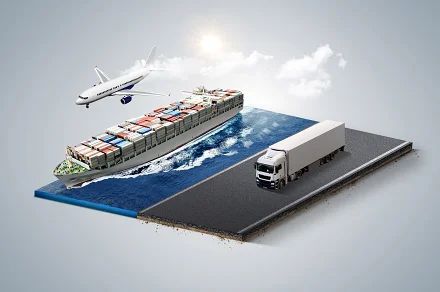
Businesses can choose between three major shipping methods: sea freight, air freight, and rail freight. Each option differs in terms of cost, speed, and suitability for specific cargo.
| Shipping Method | Average Cost (per CBM / kg) | Transit Time | Best For | Pros | Cons |
|---|---|---|---|---|---|
| Sea Freight (FCL/LCL) | $40–$80 per CBM | 3–7 days | Bulk cargo | Cheapest for large volumes | Slower than air freight |
| Air Freight | $5–$10 per kg | 1–3 days | Urgent cargo | Fastest delivery | Higher cost |
| Rail Freight | $50–$100 per CBM | 5–10 days | Medium shipments | Balanced option | Limited routes |
How Much Does It Cost to Ship from China to South Korea?
The cost of shipping from China to South Korea depends on cargo type, weight, and shipping method. For example:
| Cargo Type | 100kg | 500kg | 1 CBM | 20ft Container | 40ft Container |
|---|---|---|---|---|---|
| Air Freight | $600–$900 | $2,500–$4,500 | N/A | N/A | N/A |
| Sea Freight (LCL) | N/A | N/A | $60–$100 | $1,000–$1,400 | $1,800–$2,500 |
| Rail Freight | N/A | N/A | $70–$120 | $1,200–$1,600 | $2,200–$2,800 |
Why Is Sea Freight Popular for Shipping from China to South Korea?
Sea freight remains the most cost-effective solution for bulk cargo. Moreover, ports such as Shanghai, Qingdao, and Shenzhen connect directly to Busan and Incheon, making it efficient for exporters.
Pros of Sea Freight
- Cost-effective for bulk cargo
- Multiple weekly sailings
- Ideal for FCL and LCL shipments
Cons of Sea Freight
- Longer transit time compared to air
- Possible port congestion delays
What are you waiting for?
Contact TJ China Freight for a fast, free quote.
Are you ready to book?
Access live instant freight quotes
How Fast Is Air Freight for Shipping from China to South Korea?
Air freight is the best choice for urgent shipments. Cargo from Beijing, Guangzhou, and Shanghai airports often arrives in Seoul within 24–48 hours.
Key Benefits:
- Fast delivery for e-commerce, electronics, and fashion goods
- Reduced risk of damage
- Reliable schedules with daily flights
However, air freight costs are significantly higher than sea or rail.
Can You Use Rail Freight for Shipping from China to South Korea?
While there’s no direct rail line to South Korea, rail freight plays a role in multimodal shipping. Cargo is often moved by rail from inland Chinese cities to coastal hubs and then shipped by sea. This method provides a balance between cost and speed.
What Is the Average Transit Time for Shipping from China to South Korea?
| Origin City | Destination Port/Airport | Sea Freight Transit Time | Air Freight Transit Time |
|---|---|---|---|
| Shanghai | Busan | 3–5 days | 1 day |
| Shenzhen | Incheon | 4–6 days | 1–2 days |
| Qingdao | Busan | 2–4 days | 1 day |
| Guangzhou | Seoul | 5–7 days | 1–2 days |
What Customs Documents Are Required for Importing to South Korea?
South Korea has strict customs regulations. The following documents are mandatory for smooth clearance:
| Document | Purpose |
|---|---|
| Bill of Lading / Air Waybill | Proof of shipment |
| Commercial Invoice | Declares value of goods |
| Packing List | Details cargo content |
| Import Declaration | Required by South Korean customs |
| Certificate of Origin | May reduce import duties |
Should You Choose FCL or LCL for Shipping from China to South Korea?
- FCL (Full Container Load): Best for large shipments, offering dedicated container space.
- LCL (Less than Container Load): Suitable for smaller shipments where you share space with other shippers.
| Factor | FCL | LCL |
|---|---|---|
| Cost per CBM | Lower | Higher |
| Cargo Safety | Higher | Medium |
| Flexibility | Less flexible | More flexible |
What Are the Pros and Cons of Freight Methods for Shipping from China to South Korea?
| Method | Pros | Cons |
|---|---|---|
| Sea Freight | Cheapest for bulk, high capacity | Slower, subject to delays |
| Air Freight | Fastest, reliable | High cost, limited cargo size |
| Rail Freight | Balanced option, eco-friendly | Limited routes, slower than air |
How Can Chinese Freight Forwarders Help with Shipping from China to South Korea?
Reliable freight forwarders simplify logistics by:
- Offering competitive shipping costs from China to South Korea
- Handling customs clearance and documentation
- Providing warehouse services in China
- Offering multimodal solutions (sea + rail, air + trucking)
- Giving real-time shipment tracking
Final Thoughts
Shipping from China to South Korea is fast, affordable, and convenient when handled by experienced freight forwarders. While sea freight remains the most cost-effective for large shipments, air freight is ideal for urgent cargo. Moreover, understanding customs requirements and choosing between FCL and LCL ensures a smoother process. Partnering with a reliable logistics provider helps businesses minimize costs, improve transit times, and achieve supply chain efficiency.
FAQ
1. What is the best time of year to ship from China to South Korea?
Peak seasons like October–December often raise costs, while off-peak months usually offer cheaper rates.
2. Can I consolidate shipments from multiple suppliers in China to South Korea?
Yes, freight forwarders can combine cargo from different suppliers to save costs and simplify customs.
3. Are there eco-friendly shipping options for this route?
Some carriers offer carbon-neutral or reduced-emission services, especially with sea freight and rail connections.
4. How does packaging affect shipping costs?
Efficient, space-saving packaging reduces volume weight, which directly lowers both air and sea freight charges.
5. Can I insure my shipment from China to South Korea?
Yes, cargo insurance is available to protect against loss, damage, or delays during transportation.