

- By kelly
- September 4, 2025
- Tips or Guide, Transport

Shipping from China to Zimbabwe – Complete Cost, Time & Customs Guide
For many importers in Africa, shipping from China to Zimbabwe is essential to keep businesses competitive. While China provides affordable products and raw materials, challenges such as customs clearance, long transit times, and varying freight costs often complicate the process. However, with the right planning and logistics partner, businesses can simplify shipping and reduce costs.
1. What Are the Main Shipping Options from China to Zimbabwe?
When transporting goods, businesses typically choose between sea freight, air freight, and courier services. Since Zimbabwe is landlocked, all sea shipments must first arrive at neighboring ports before moving inland.
| Shipping Method | Transit Time | Cost Estimate | Pros | Cons |
|---|---|---|---|---|
| Sea Freight (via Durban, SA) | 30–45 days | Lowest per CBM | Cost-effective for bulk | Longer transit, extra trucking |
| Air Freight (Harare Intl.) | 5–10 days | $6–$12 per kg | Fast & reliable | Expensive |
| Courier Services (DHL/FedEx/UPS) | 4–7 days | $7–$15 per kg | Door-to-door, tracking | High cost for heavy cargo |
2. How Does Sea Freight from China to Zimbabwe Work?
3. What Are the Costs of Shipping Containers?
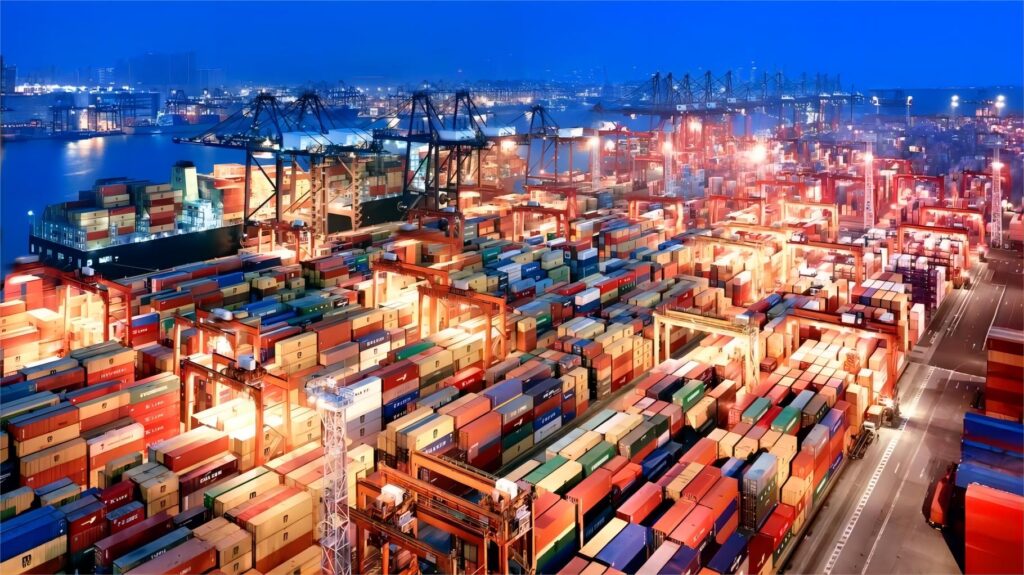
| Container Type | Average Cost (USD) | Cargo Capacity | Notes |
|---|---|---|---|
| 20ft FCL | $2,000 – $2,800 | 25–28 CBM | Best for smaller volumes |
| 40ft FCL | $3,500 – $4,800 | 55–58 CBM | Ideal for bulk cargo |
| LCL (per CBM) | $80 – $120 | Shared container | Affordable for SMEs |
Costs vary depending on shipping lines, peak seasons, and inland transport charges.
4. How Long Does Shipping from China to Zimbabwe Take?
| Route | Transit Time (Port-to-Zimbabwe) |
|---|---|
| Shanghai → Durban → Harare | 35–45 days |
| Ningbo → Beira → Harare | 30–40 days |
| Guangzhou → Dar es Salaam → Harare | 32–42 days |
| Air Freight (any China city → Harare) | 5–10 days |
| Courier | 4–7 days |
Moreover, inland trucking times may be affected by border clearances and road conditions.
5. Which Documents Are Required for Customs Clearance?
To import successfully, businesses must prepare accurate documents.
| Document | Purpose |
|---|---|
| Commercial Invoice | Declares product value |
| Packing List | Details shipment contents |
| Bill of Lading / Airway Bill | Transport contract |
| Certificate of Origin | Proves product source |
| Import License (if applicable) | Required for restricted items |
Additionally, import duties and VAT in Zimbabwe must be calculated in advance to avoid delays.
6. Should You Use Air Freight for Shipping?

7. Can Couriers Deliver Directly to Zimbabwe?
8. FCL vs. LCL Shipping – Which Should You Choose?
- FCL (Full Container Load): Better for high-volume shipments, lower per-unit costs, less handling.
- LCL (Less than Container Load): Flexible for SMEs, shared costs, but higher risk of damage and longer handling time.
Therefore, the decision depends on shipment size and urgency.
9. What Challenges Do Importers Face in Zimbabwe?
- Port Congestion: Durban is often overcrowded.
- Border Delays: Customs checks at Beitbridge (SA-Zimbabwe border).
- Fuel Costs: Affect trucking rates inland.
- Currency Fluctuations: Impacts import taxes and freight charges.
However, using an experienced freight forwarder minimizes these risks.
10. Pros and Cons of Sea vs. Air Freight
| Factor | Sea Freight | Air Freight |
|---|---|---|
| Cost | Cheapest per CBM | Expensive per kg |
| Speed | 30–45 days | 5–10 days |
| Reliability | Weather/border delays possible | Highly reliable |
| Capacity | Suitable for bulk | Limited space |
| Best Use | Textiles, machinery, raw materials | Electronics, urgent goods |
11. How to Reduce Shipping Costs from China to Zimbabwe?
- Ship during off-peak seasons.
- Use consolidation for LCL cargo.
- Compare quotes from multiple carriers.
- Choose optimal ports (Durban vs. Beira).
- Work with a reliable freight forwarder.
Therefore, strategic planning can save significant costs.
12. Which Industries in Zimbabwe Rely on Imports from China?
- Retail & Wholesale – consumer goods, clothing, household items
- Mining & Industrial – machinery, spare parts, heavy equipment
- Telecommunications – electronics and IT devices
- Construction – building materials and hardware
These industries benefit most from bulk sea freight imports.
📦Get a Free Quote
Choosing the right partner for shipping from China to Zimbabwe ensures affordable rates, faster customs clearance, and reliable delivery schedules. Whether you need sea freight, air freight, or courier services, professional logistics providers simplify the process. Contact a trusted freight forwarder today to get customized shipping solutions.
❓ Frequently Asked Questions
Q1: How much does shipping from China to Zimbabwe cost?
Sea freight for a 20ft container costs $2,000–$2,800, while air freight averages $6–$12 per kg.
Q2: How long does sea freight take from China to Zimbabwe?
On average, 30–45 days, depending on departure port, arrival port, and inland trucking delays.
Q3: Can I ship small packages from China to Zimbabwe?
Yes, couriers like DHL and FedEx provide fast door-to-door services for parcels under 100 kg.
Q4: Do I need an import license for Zimbabwe?
Some restricted products require an import license, while general goods only need invoices and customs declarations.
Q5: What is the best port for sea freight into Zimbabwe?
Durban (South Africa) is the main port, though Beira (Mozambique) offers shorter inland transport routes.
Conclusion
Shipping from China to Zimbabwe involves unique challenges, from inland transport to customs clearance. However, with the right freight method and logistics partner, businesses can reduce costs and ensure timely deliveries. Sea freight remains the most economical for bulk imports, while air freight and couriers suit urgent or smaller shipments. Therefore, selecting a trusted forwarder is essential for long-term success in China–Zimbabwe trade.