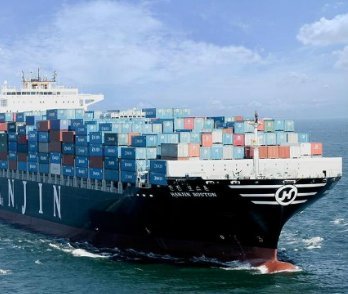
Embark on a seamless shipping journey from Vietnam to Germany with China Top Freight. Seamlessly integrating Vietnam sea freight and Vietnam air freight options, we ensure unparalleled flexibility and efficiency. Leveraging our extensive network and expertise, we guarantee timely and cost-effective transportation of your cargo. From meticulous documentation to smooth customs clearance, our dedicated professionals manage every detail meticulously. Trust China Top Freight to deliver your goods to Germany securely and reliably, providing tailored shipping solutions to meet your unique requirements. Experience excellence in international logistics with us as your trusted partner.
Sail confidently with China Top Freight's sea freight services from Vietnam to Germany. Our specialized solutions promise reliable, cost-effective shipping, ensuring your cargo reaches German shores with efficiency and expertise.
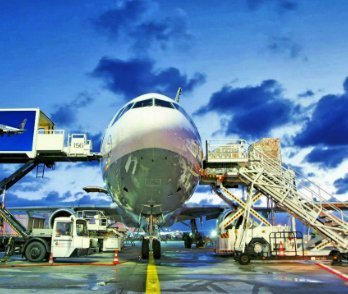
Reach new heights with China Top Freight's air freight services from Vietnam to Germany. Our tailored solutions ensure swift, secure, and efficient delivery, propelling your shipments to success across German skies.

Experience seamless door-to-door shipping brilliance with China Top Freight from Vietnam to Germany. Our personalized solutions ensure hassle-free logistics, guaranteeing your cargo's journey is smooth, secure, and punctual, right to your German destination.
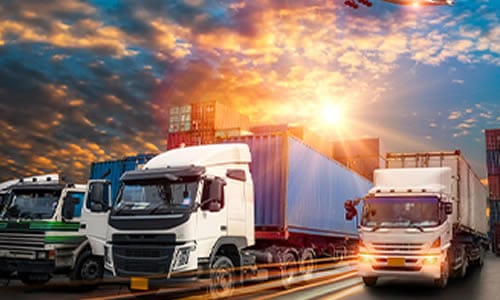
Optimize your FCL shipping journey from Vietnam to Germany with China Top Freight. Our dedicated team ensures meticulous handling and efficient transit of your cargo. Leveraging advanced logistics technology and a robust global network, we guarantee secure container loading and timely delivery. From comprehensive documentation to seamless customs clearance, trust China Top Freight to manage your FCL shipments with precision and care. Experience unparalleled logistics excellence as we prioritize your satisfaction every step of the way. Choose China Top Freight for reliable and efficient shipping solutions that exceed expectations.
Streamline your LCL shipping from Vietnam to Germany with China Top Freight. Our dedicated team ensures optimal consolidation for cost-effective and efficient transportation. Leveraging our global network and expertise, we guarantee reliable delivery to your destination. From tailored cargo handling to smooth customs clearance, trust China Top Freight to manage your LCL shipments with precision and care. Experience personalized logistics solutions that prioritize your satisfaction and exceed expectations. Choose China Top Freight as your shipping partner to Germany for seamless and hassle-free shipping experience.
China Top Freight will provide most fuel efficient pickup service Vietnam
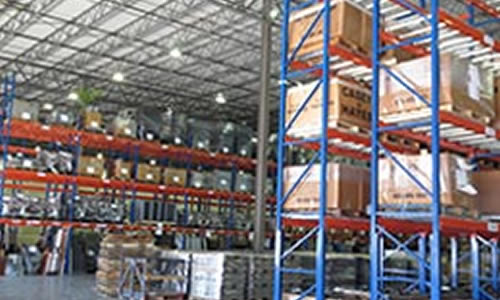
We provide free warehousing services for any of your goods.
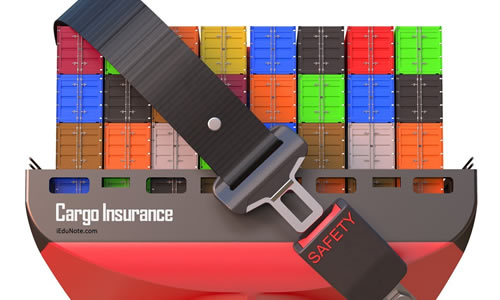
The cargo insurance protects your goods all the way to any Any FBA Warehouse

We handle all paperwork and other details for you.
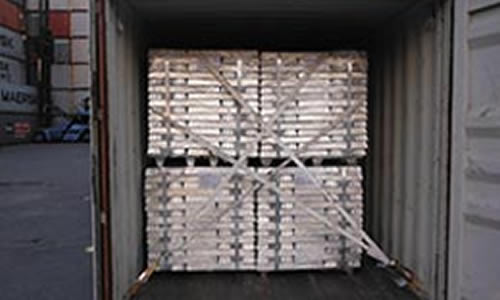
Ensure safe packaging and loading of goods in your suppliers' factory.
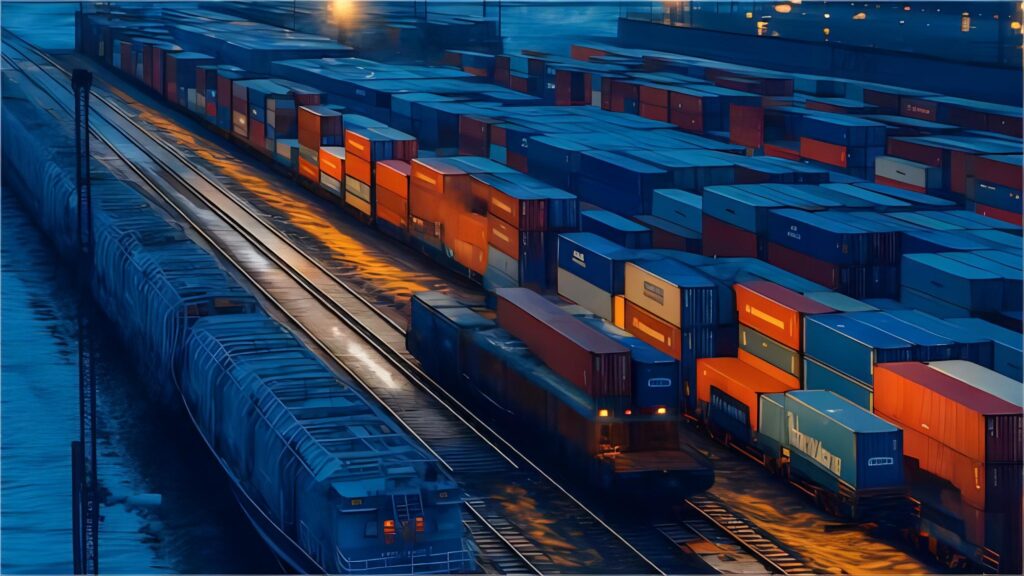
The duration of shipping from Vietnam to Germany can vary depending on several factors, including the shipping method, the mode of transportation, and the specific origin and destination points. Here's a general overview of the transit times for different shipping methods:
Air Freight: Air freight is the fastest shipping method and typically takes around 3 to 7 days for direct flights from major airports in Vietnam to airports in Germany. However, transit times may vary depending on factors such as flight schedules, routing, and customs clearance.
Sea Freight: Sea freight is a more economical option but has longer transit times compared to air freight. Shipping goods by sea from Vietnam to Germany can take anywhere from 4 to 6 weeks, depending on the shipping route, carrier, and port congestion.
Express Courier Services: Express courier services such as DHL, FedEx, and UPS offer expedited shipping options with faster transit times than standard air freight. Shipments sent via express courier services from Vietnam to Germany can typically arrive within 2 to 5 business days, depending on the service selected and the specific origin and destination locations.
Standard Postal Services: Using standard postal services for small parcels and packages can also be an option, but transit times may be longer compared to express courier services. Delivery times for standard postal services from Vietnam to Germany can range from 1 to 4 weeks, depending on the postal service provider and the shipping method chosen.
It's important to note that the above transit times are estimates and can vary based on factors such as weather conditions, customs clearance procedures, and any potential transportation disruptions. Additionally, remote or less accessible areas may have longer transit times compared to major cities and metropolitan areas.
When planning your shipment from Vietnam to Germany, consider your specific requirements for speed, cost, and reliability to choose the most suitable shipping method that meets your needs. Be sure to factor in additional time for customs clearance and delivery to the final destination within Germany.
The cost of shipping from Vietnam to Germany can vary widely depending on several factors, including the shipping method, the mode of transportation, the size and weight of the shipment, and any additional services required. Here's a breakdown of the main cost considerations:
Shipping Method: The chosen shipping method significantly impacts the overall cost of shipping. Air freight is generally more expensive than sea freight but offers faster transit times. Express courier services such as DHL, FedEx, and UPS may also have higher shipping rates compared to standard air freight.
Mode of Transportation: If you opt for sea freight, the cost will depend on factors such as the type of container (FCL or LCL), the shipping route, and any additional services such as port handling fees or inland transportation. Air freight costs are typically based on the weight and volume of the shipment.
Shipment Size and Weight: The size and weight of your shipment will influence the shipping costs. Larger and heavier shipments will incur higher shipping rates, especially for air freight. Some carriers may also apply dimensional weight pricing, where the shipping rate is based on the volume of the shipment rather than its actual weight.
Additional Services: Additional services such as insurance, customs clearance, door-to-door delivery, and special handling may incur extra charges. Be sure to consider any additional services you require and factor them into the overall cost of shipping.
Fuel Surcharges and Fees: Shipping carriers may apply fuel surcharges or other surcharges based on fluctuations in fuel prices or other factors. These surcharges can impact the total cost of shipping and may vary depending on the carrier and prevailing market conditions.
Seasonal Demand and Market Conditions: Shipping rates may fluctuate based on seasonal demand, market conditions, and other external factors. It's essential to check current shipping rates and factor in any potential fluctuations when budgeting for your shipment.
To obtain an accurate cost estimate for shipping from Vietnam to Germany, it's recommended to request quotes from multiple shipping carriers, freight forwarders, or logistics providers. Provide detailed information about your shipment, including its size, weight, dimensions, and any specific requirements, to receive accurate pricing information. Additionally, consider negotiating rates or exploring alternative shipping options to find the most cost-effective solution for your shipping needs.
Shipping from Vietnam to Germany involves several steps to ensure a smooth and efficient process. Here's a unique guide on how to ship your goods:
Select a Shipping Method: Choose the most suitable shipping method based on your requirements for speed, cost, and reliability. Options include air freight, sea freight, express courier services, and standard postal services.
Prepare Your Shipment: Properly package your goods to ensure they are adequately protected during transit. Use sturdy packaging materials and secure them with packing tape to prevent damage. Label each package with the destination address and contact information.
Choose a Shipping Carrier or Freight Forwarder: Research and select a reputable shipping carrier or freight forwarder with experience in shipping from Vietnam to Germany. Consider factors such as reliability, transit times, pricing, and available services.
Obtain Quotes: Request quotes from multiple shipping carriers or freight forwarders to compare pricing and services. Provide detailed information about your shipment, including its size, weight, dimensions, and any special requirements.
Book Your Shipment: Once you've chosen a shipping carrier or freight forwarder, book your shipment and provide all necessary information and documentation. This may include a commercial invoice, packing list, bill of lading, and any required permits or licenses.
Customs Clearance: Prepare and submit all required documentation for customs clearance in both Vietnam and Germany. This may include a commercial invoice, certificate of origin, and other relevant documents. Work with your shipping carrier or freight forwarder to ensure compliance with customs regulations.
Transportation to Port/Airport: Arrange for the transportation of your goods to the port or airport of departure in Vietnam. Coordinate with your shipping carrier or freight forwarder or a local transportation provider to ensure timely delivery.
Transit and Delivery: Monitor the progress of your shipment as it travels from Vietnam to Germany. Track your shipment using the tracking services provided by your shipping carrier or freight forwarder. Once your shipment arrives in Germany, coordinate with the recipient or a local delivery service for final delivery to the destination address.
Receive and Inspect: Upon delivery, inspect your shipment for any signs of damage or discrepancies. Note any issues on the delivery receipt and contact your shipping carrier or freight forwarder if necessary.
Follow-Up and Feedback: After your shipment has been delivered, follow up with your shipping carrier or freight forwarder to ensure everything went smoothly. Provide feedback on the service provided to help improve future shipments.
By following these steps and working closely with your chosen shipping carrier or freight forwarder, you can ship your goods from Vietnam to Germany efficiently and effectively, ensuring timely delivery and compliance with all relevant regulations.
Arranging air freight from Vietnam to Germany involves several steps to ensure a seamless and efficient process. Here's a unique guide on how to arrange air freight:
Determine Your Shipment Requirements: Assess your shipment's size, weight, and urgency to determine the most suitable air freight solution. Consider factors such as transit time, cost, and any special handling requirements for your goods.
Research Air Freight Providers: Explore different air freight providers and carriers that offer services from Vietnam to Germany. Look for reputable companies with experience in international air cargo transportation and positive customer reviews.
Request Quotes: Contact multiple air freight providers to request quotes for your shipment. Provide detailed information about your cargo, including its dimensions, weight, volume, and any special requirements. Compare quotes to find the best balance of price and service.
Choose a Freight Forwarder or Airline: Once you've received quotes, evaluate the offerings of each provider and choose the one that best meets your needs. Consider factors such as transit time, reliability, customer service, and pricing transparency.
Book Your Shipment: Once you've selected a freight forwarder or airline, book your shipment and provide all necessary information and documentation. This may include a commercial invoice, packing list, air waybill (AWB), and any required permits or licenses.
Packaging and Labeling: Properly package your goods for air freight to ensure they are adequately protected during transit. Use sturdy packaging materials and secure them with packing tape. Label each package with the destination address, air waybill number, and any special handling instructions.
Customs Clearance: Prepare and submit all required documentation for customs clearance in both Vietnam and Germany. This may include a commercial invoice, certificate of origin, and any other relevant documents. Work closely with your freight forwarder or customs broker to ensure compliance with customs regulations.
Transportation to Airport: Arrange for the transportation of your goods to the departure airport in Vietnam. Coordinate with your freight forwarder or a local transportation provider to ensure timely delivery to the airport.
Track Your Shipment: Monitor the progress of your shipment as it travels from Vietnam to Germany. Utilize the tracking services provided by your freight forwarder or airline to stay updated on your shipment's status and estimated arrival time.
Receive and Inspect: Upon arrival in Germany, coordinate with the recipient or a local delivery service to receive your shipment. Inspect the cargo for any signs of damage or discrepancies and note any issues on the delivery receipt.
By following these steps and working closely with your chosen air freight provider, you can arrange air freight from Vietnam to Germany efficiently and ensure the timely and secure delivery of your goods.
Calculating shipping costs from Vietnam to Germany involves several factors that contribute to the overall expense of transporting your goods. Here's a unique approach to calculating shipping costs:
Understand the Variables: Familiarize yourself with the key variables that influence shipping costs, including shipment weight, dimensions, volume, mode of transportation (air freight, sea freight, etc.), shipping distance, and any additional services required (e.g., insurance, customs clearance).
Determine Shipment Details: Gather detailed information about your shipment, including its weight, dimensions, and volume. If you're shipping multiple items, calculate the total weight and volume of the entire shipment.
Choose a Shipping Method: Decide on the most suitable shipping method based on your shipment's characteristics and your budget and timeline constraints. Compare the costs of different shipping methods, such as air freight, sea freight, express courier services, and standard postal services.
Request Quotes: Contact multiple shipping carriers, freight forwarders, or logistics providers to request quotes for your shipment. Provide accurate details about your shipment, including its size, weight, dimensions, and any special requirements. Ask for a breakdown of costs, including freight charges, fuel surcharges, handling fees, and any applicable taxes or duties.
Consider Additional Fees: Be aware of any additional fees that may apply, such as insurance fees, customs clearance charges, documentation fees, and destination delivery charges. Factor these fees into your overall shipping costs to ensure an accurate estimate.
Compare Pricing: Compare the quotes received from different shipping providers to determine the most cost-effective option for your shipment. Consider factors such as transit time, reliability, and the range of services offered in addition to pricing.
Negotiate Rates: Don't hesitate to negotiate rates with shipping providers, especially if you have a large volume of shipments or anticipate regular shipments in the future. Some providers may be willing to offer discounts or customized pricing based on your shipping volume and frequency.
Account for Currency Conversion: If dealing with different currencies, consider the impact of currency conversion rates on your shipping costs. Be mindful of exchange rate fluctuations and any additional fees associated with currency conversion.
Factor in Customs Duties and Taxes: If applicable, consider the cost of customs duties, taxes, and import fees that may be levied on your shipment when it arrives in Germany. Consult with a customs broker or tax advisor to estimate these costs accurately.
Plan for Contingencies: Anticipate potential delays, disruptions, or unforeseen expenses that may arise during the shipping process. Budget for contingencies to ensure you have sufficient funds to cover unexpected costs.
By following these steps and carefully considering all relevant factors, you can calculate shipping costs from Vietnam to Germany accurately and make informed decisions about your shipping arrangements.
Air shipping from Vietnam to Germany is most beneficial in certain scenarios where speed and reliability are critical factors:
Urgent Deliveries: When you need to transport goods quickly to meet tight deadlines or urgent customer demands, air shipping offers rapid transit times compared to ocean freight. It ensures timely delivery, reducing lead times and enabling faster response to market demands.
High-Value or Perishable Goods: For valuable or time-sensitive goods such as electronics, pharmaceuticals, perishable food items, or fashion apparel, air shipping provides enhanced security and temperature-controlled environments to preserve product quality and minimize the risk of damage or spoilage.
Just-in-Time Production: In industries practicing just-in-time manufacturing or lean inventory management, air shipping facilitates the timely delivery of components, parts, or raw materials needed to support production schedules. It helps minimize inventory holding costs and ensures seamless supply chain operations.
Seasonal Demand: During peak seasons or promotional events, such as holidays or sales promotions, air shipping enables retailers and e-commerce businesses to replenish inventory quickly and meet increased customer demand. It allows for agile inventory management and prevents stockouts during peak periods.
New Product Launches: For launching new products or introducing seasonal collections, air shipping offers expedited delivery to ensure products reach the market on time and capitalize on sales opportunities. It allows businesses to maintain competitiveness and capture consumer interest without delays.
Prototype or Sample Shipments: When sending prototypes, product samples, or promotional materials for testing, evaluation, or showcasing, air shipping enables fast turnaround times and facilitates quicker feedback loops. It accelerates product development cycles and supports marketing initiatives effectively.
Emergency Situations: In emergency situations such as supply chain disruptions, production delays, or unforeseen events, air shipping provides a rapid response mechanism to deliver critical supplies, spare parts, or relief aid to affected areas. It helps mitigate the impact of disruptions and ensures continuity of operations.
Global Distribution Networks: Leveraging air cargo networks and international airports, air shipping offers seamless connectivity to remote or hard-to-reach destinations in Germany and beyond. It expands market reach, enables global trade, and facilitates cross-border commerce in diverse industries.
By leveraging the speed, reliability, and efficiency of air shipping, businesses can respond effectively to dynamic market conditions, meet customer expectations, and optimize supply chain performance when transporting goods from Vietnam to Germany.
When importing goods from Vietnam to Germany, the amount of tax and duty you need to pay depends on several factors, including the type of goods, their value, origin, and any applicable trade agreements. Here's a unique perspective on estimating tax and duty:
Customs Value: Customs duties and taxes are typically calculated based on the customs value of the imported goods. The customs value is the transaction value of the goods, including the cost of the goods, shipping, insurance, and any other charges incurred before the goods arrive in Germany.
Tariff Classification: Each imported product is assigned a specific tariff classification code based on the Harmonized System (HS) codes. These codes determine the applicable customs duty rates and any preferential trade agreements or exemptions that may apply. You can find the correct HS code for your goods by consulting the German Customs Tariff or seeking guidance from a customs broker.
Customs Duty Rates: Customs duty rates vary depending on the type of goods and their country of origin. Germany, as a member of the European Union (EU), follows the EU's Common Customs Tariff, which sets out standard duty rates for various product categories. The duty rates can range from zero for certain goods to several percentage points or more for others.
Value Added Tax (VAT): In addition to customs duties, imported goods are also subject to value-added tax (VAT) in Germany. The standard VAT rate in Germany is 19%, but certain goods may qualify for reduced or zero-rated VAT depending on their nature and intended use. VAT is calculated based on the customs value of the goods plus any applicable customs duties.
Trade Agreements: Take advantage of any preferential trade agreements or free trade agreements between Vietnam and Germany, such as the EU-Vietnam Free Trade Agreement (EVFTA), which may offer reduced or zero tariffs for eligible goods. Ensure that your goods meet the rules of origin criteria specified in the trade agreement to qualify for preferential tariff treatment.
Customs Clearance Fees: Keep in mind that customs clearance procedures may incur additional fees, such as customs brokerage fees, handling charges, and administrative fees. Factor these fees into your overall import costs when estimating the total amount payable.
Currency Conversion: Be mindful of currency conversion rates when calculating import taxes and duties, especially if dealing with different currencies. Consider the impact of exchange rate fluctuations on your import costs and budget accordingly.
To accurately estimate the tax and duty payable when importing from Vietnam to Germany, consult the German Customs authorities or seek guidance from a customs broker or trade expert familiar with import regulations and procedures. They can provide personalized advice and help ensure compliance with customs requirements while minimizing import costs.
Choosing between Less than Container Load (LCL) and Full Container Load (FCL) shipping when transporting goods from Vietnam to Germany depends on various factors. Here's a unique perspective to consider:
Volume of Goods: If you're shipping a relatively small volume of goods that don't fill an entire standard shipping container, LCL might be more cost-effective. LCL allows you to share container space with other shippers, reducing costs by paying only for the space you use.
Consolidation vs. Exclusivity: LCL is suitable when your shipment doesn't require exclusivity and can be consolidated with other cargo. It's ideal for smaller shipments, samples, or goods with flexible delivery timelines. On the other hand, FCL provides exclusivity, allowing you to fill the entire container with your goods and avoid potential delays associated with sharing container space.
Cost Considerations: Compare the costs of LCL and FCL shipping based on your shipment's volume, weight, and destination. While LCL may offer cost savings for smaller shipments, FCL can be more cost-effective for larger volumes or high-value goods, as it eliminates the need for consolidation and reduces handling risks.
Shipping Timeframes: Evaluate the urgency of your shipment and the desired delivery timeframe. LCL shipments may involve additional transit time due to consolidation and deconsolidation processes at transshipment hubs. If time is of the essence, FCL provides faster transit times and greater control over delivery schedules.
Cargo Characteristics: Consider the nature of your cargo and any specific handling requirements. Fragile, perishable, or high-risk goods may benefit from the added protection and security of FCL shipping, minimizing the risk of damage or loss during transit. Conversely, LCL may be suitable for non-sensitive goods that can withstand shared container space.
Flexibility and Inventory Management: LCL offers flexibility for shippers with varying shipment sizes and frequencies. It allows you to ship smaller quantities more frequently, optimizing inventory management and reducing warehousing costs. FCL, on the other hand, provides greater predictability and stability for large-volume shipments.
Destination Accessibility: Consider the accessibility of your destination port and the availability of infrastructure for handling LCL or FCL shipments. Some ports may have better facilities and services for handling one type of shipment over the other, influencing your choice based on logistical convenience.
Ultimately, the decision between LCL and FCL shipping depends on your specific shipping requirements, budget constraints, and logistical considerations. Assessing these factors will help you determine the most suitable shipping option for your cargo when transporting goods from Vietnam to Germany.
Tracking your shipment from Vietnam to Germany involves utilizing various tracking tools and communication channels provided by your chosen shipping carrier or freight forwarder. Here's a unique approach to tracking your shipment:
Online Tracking Portal: Most shipping carriers and freight forwarders offer online tracking portals on their websites. Visit the official website of your chosen shipping provider and navigate to the tracking section. Enter your air waybill number, container number, or other tracking identifier provided by the carrier to access real-time tracking updates for your shipment.
Mobile Apps: Many shipping companies offer mobile applications that allow you to track your shipment conveniently from your smartphone or tablet. Download the official mobile app of your shipping carrier or freight forwarder from the App Store or Google Play Store. Log in to your account or enter your tracking details to receive instant updates on your shipment status, including departure, transit, and arrival information.
Email Notifications: Sign up for email notifications or alerts from your shipping carrier or freight forwarder to receive timely updates on your shipment's progress. You can opt to receive notifications for key milestones such as departure, arrival, customs clearance, and delivery. Check your email inbox regularly for updates and track the status of your shipment accordingly.
Customer Service Support: If you encounter any issues or require assistance with tracking your shipment, reach out to the customer service team of your shipping carrier or freight forwarder. Contact them via phone, email, or live chat to inquire about the status of your shipment, request additional information, or address any concerns you may have. Provide your shipment details, including the tracking number, for faster assistance.
Customs Clearance Updates: Keep track of customs clearance procedures and documentation requirements for your shipment's entry into Germany. Stay informed about any customs delays, inspections, or additional documentation requests that may impact the transit time of your shipment. Work closely with your shipping provider and customs broker to ensure smooth customs clearance and timely delivery of your goods.
Third-Party Tracking Services: Explore third-party tracking services and logistics platforms that offer comprehensive shipment tracking capabilities across multiple carriers and transportation modes. These platforms consolidate tracking information from various sources, providing a centralized tracking dashboard for all your shipments.
By utilizing these tracking methods and staying proactive in monitoring your shipment's progress, you can effectively track your shipment from Vietnam to Germany and stay informed about its status throughout the entire transit journey.
When shipping goods from Vietnam to Germany, several documents are required to facilitate smooth customs clearance and transportation. Here's a unique list of documents you may need:
Commercial Invoice: A commercial invoice is a key document that provides details about the shipped goods, including their description, quantity, value, and sales terms. It serves as a basis for customs valuation and determines applicable duties and taxes.
Packing List: A packing list provides a detailed breakdown of the contents of each package or shipment, including item descriptions, quantities, dimensions, and weights. It helps customs authorities verify the accuracy of the shipment and facilitates cargo handling and inspection.
Bill of Lading (B/L): The bill of lading is a contract between the shipper and the carrier that serves as a receipt for the goods and evidence of the contract of carriage. It includes information about the shipment, such as the consignor, consignee, shipping route, vessel details, and terms of carriage.
Air Waybill (AWB): For air freight shipments, an air waybill is issued by the carrier and serves as a contract of carriage and a receipt for the goods. It contains details about the shipment, including the shipper, consignee, flight details, and terms of transportation.
Certificate of Origin: A certificate of origin is a document that certifies the country of origin of the goods being shipped. It may be required to qualify for preferential tariff treatment under trade agreements or to comply with import regulations in Germany.
Export License (if applicable): Certain goods may require an export license or permit from Vietnamese authorities before they can be exported to Germany. Check with relevant authorities or trade associations to determine if your goods require an export license.
Insurance Certificate: An insurance certificate provides evidence of insurance coverage for the shipped goods during transit. It may be required by the buyer, the carrier, or customs authorities to verify that the goods are adequately insured against loss or damage.
Customs Declaration: A customs declaration form is required to declare the imported goods to customs authorities in Germany. It includes information about the nature, value, and origin of the goods and is used for customs clearance purposes.
Certificate of Inspection (if applicable): Some goods may require a certificate of inspection issued by an authorized inspection agency to verify compliance with quality, safety, or sanitary standards. This document may be necessary for certain types of products, such as food, pharmaceuticals, or chemicals.
Other Documents: Depending on the nature of the goods being shipped and any specific regulatory requirements, additional documents such as permits, licenses, certificates, or regulatory approvals may be necessary.
Ensure that you have all the required documents prepared and correctly filled out before shipping your goods from Vietnam to Germany to avoid delays or complications during customs clearance and transportation. Work closely with your shipping provider, customs broker, or trade advisor to ensure compliance with all relevant import/export regulations and documentation requirements.
I came to think about China Top Freight from one of my companions. He commanded a great deal for them. Along these lines, I needed to test. This is the first occasion when I have utilized China Top Freight, and it’s superb:-)
It is a significant privilege for me to have helped out this organization. There is no uncertainty that China Top Freight offers me with great assistance, low cost, on-time conveyance
China Top Freight has been managing all my imports for the past few years and believe me they are the most outstanding ones in this sector. Their consultants are all self-effacing and respectful. No one can ever raise any questions about the products that they ship, being not in good condition. They complete the delivery so swiftly that you will be mesmerized. And the most shocking one above all is that their freight rates are the lowest in the world. So what are you waiting for? You will never regret working with them.