

- By carlie tj
- September 5, 2025
- Logistics, Tips or Guide
Understanding shipping in China is vital for importers, exporters, and supply chain managers. With ChinaTopFreight, businesses gain expert support for sea, air, courier, and rail freight while navigating customs, reducing costs, and ensuring reliable delivery.
1. What Are the Main Shipping Methods in China?
China offers multiple logistics options to serve diverse industries:
- Sea Freight (FCL/LCL) for bulk shipments.
- Air Freight for urgent goods.
- Courier Services for parcels and e-commerce.
- Rail Freight to Europe and neighboring regions.
Each method comes with advantages and trade-offs in cost, speed, and reliability.
📌2. How Much Does Shipping in China Cost?
Costs vary depending on weight, cargo volume, and destination. Below is a comparison:
| Shipping Method | Average Cost | Transit Time | Best For |
|---|---|---|---|
| Sea Freight (FCL 40ft) | $2,800 – $4,200 | 25–40 days | Bulk cargo |
| Sea Freight (LCL per CBM) | $80 – $150 | 30–42 days | Small loads |
| Air Freight | $4 – $7 per kg | 5–10 days | Urgent, high-value goods |
| Express Courier | $8 – $12 per kg | 3–7 days | Small parcels |
3. Why Is Sea Freight Dominant in China’s Trade?
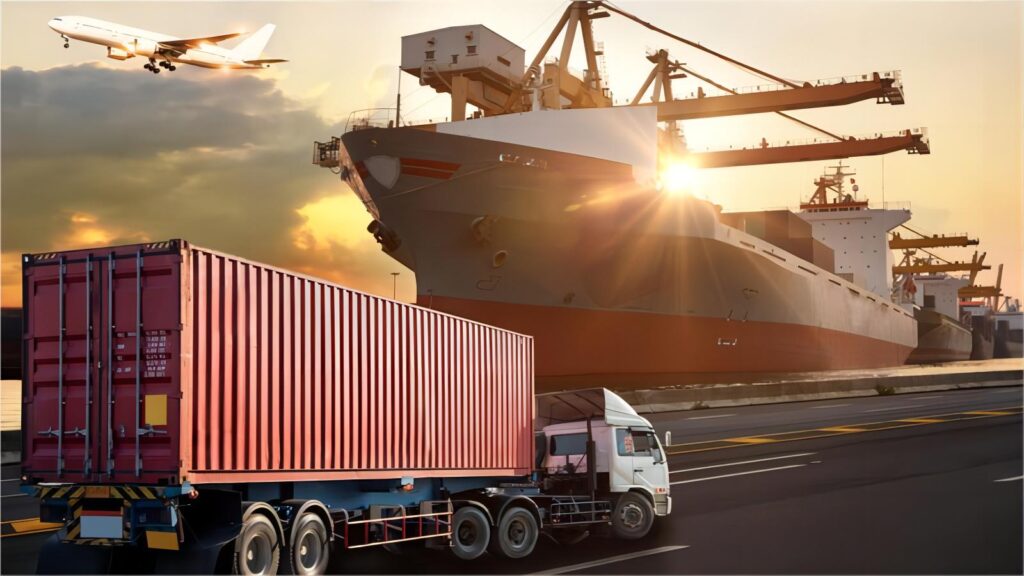
China’s role as the world’s manufacturing hub means sea freight dominates. Major ports like Shanghai, Shenzhen, Ningbo, and Guangzhou connect with over 200 countries. Economies of scale make container shipping the cheapest per-unit option for international logistics.
📌 4. How Important Is Air Freight in China?
Air freight is crucial for fast-moving industries such as electronics, garments, and medical supplies. With airports like Guangzhou Baiyun and Shanghai Pudong, shipments reach destinations globally in under 10 days, balancing cost with speed for high-value goods.
5. What Customs Documents Are Needed for Shipping in China?
Accurate documentation ensures smooth clearance.
| Document | Purpose | Required By |
|---|---|---|
| Commercial Invoice | Declares value | Customs |
| Packing List | Shipment details | Customs |
| Bill of Lading/Air Waybill | Proof of shipment | Carrier |
| Certificate of Origin | Identifies country | Customs/Buyer |
| Import/Export License | Legal approval | Government |
6.How to Select the Right Freight Forwarder in China?
A reliable forwarder provides:
- Transparent pricing with no hidden costs.
- Customs clearance support.
- Flexible solutions (FCL, LCL, air, courier).
- Real-time tracking and dedicated customer service.
7.Conclusion
Efficient shipping in China requires understanding available methods, costs, customs, and transit times. Sea freight dominates large-scale trade, air freight supports urgent needs, and rail provides a faster alternative for Europe. Choosing the right Incoterms, preparing accurate documents, and working with a trusted freight forwarder ensures smooth operations. Ultimately, professional logistics partners help businesses reduce costs, minimize delays, and expand globally with confidence.
8. Request a Quote
China Top Freight offers:
- ✅ Origin and Destination Countries
- ✅ Cargo Type and Volume
- ✅ Preferred Transport Method (Air, Sea, Rail, Road)
- ✅ Delivery Timeline
- ✅ Special Handling Requirements (if any)
💬9. FAQ
Q1: What are the busiest shipping ports in China?
Shanghai, Ningbo, Shenzhen, and Guangzhou are the busiest ports. They handle huge volumes annually, ensuring lower freight rates and frequent sailings worldwide.
Q2: How can small businesses manage shipping in China efficiently?
Small businesses save by using LCL consolidation, courier group rates, or SME-focused freight forwarders. These options reduce upfront costs and improve shipping flexibility.
Q3: What are common mistakes importers make when shipping in China?
Mistakes include wrong HS codes, missing documents, and underestimating transit times. Working with experienced freight forwarders prevents delays, fines, and unexpected costs.
Q4: Are there seasonal impacts on shipping in China?
Shipping costs rise during Chinese New Year and holiday peaks. Booking early or shipping off-peak months helps importers secure better rates and space.
Q5: How does courier shipping compare with air freight in China?
Courier works best for parcels under 100 kg with door-to-door delivery. Air freight suits larger, urgent shipments, balancing speed with better cost efficiency.