

- By kelly
- October 17, 2025
- Logistics, Tips or Guide
Shipping Requirements for Textiles from China to Europe – Complete Guide
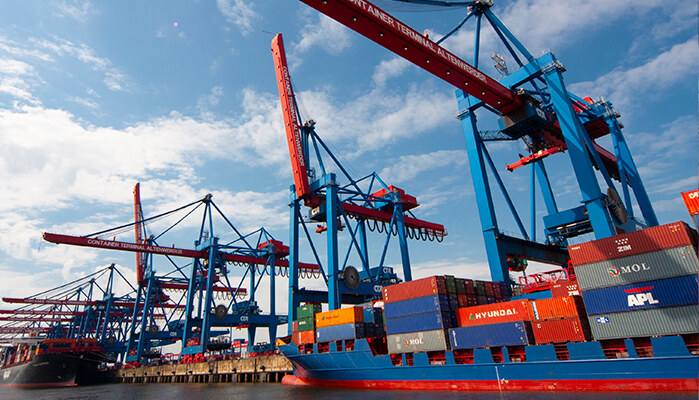
For importers in the fashion and home goods sectors, understanding the shipping requirements for textiles from China to Europe is critical. Textiles form one of China’s largest export categories, yet they face strict customs controls, certification requirements, and varying transport options. However, with the right strategy and knowledge, businesses can ensure smooth delivery, cost control, and compliance with European Union standards.
1. Why Are There Strict Shipping Requirements for Textiles?
Textiles often face anti-dumping regulations, strict labeling laws, and quality standards in the European Union. Moreover, textile products such as fabrics, garments, and home furnishings can be bulky, meaning freight costs and packaging requirements play a significant role in logistics planning.
2. What Shipping Methods Are Available for Textiles?
Businesses shipping textiles can choose between air freight, sea freight (FCL/LCL), rail freight, or courier services, depending on cost, speed, and volume.
Table 1: Shipping Method Comparison
| Method | Avg. Cost | Transit Time | Pros | Cons |
|---|---|---|---|---|
| Air Freight | $5–$8/kg | 5–8 days | Fast, reliable | High cost for bulky textiles |
| Sea Freight FCL | $2,400–$3,200/40ft | 28–35 days | Best for large volumes | Long lead times |
| Sea Freight LCL | $80–$140/cbm | 32–40 days | Flexible for smaller orders | Risk of delays, mixing cargo |
| Rail Freight | $4,000–$5,000/40ft | 18–22 days | Balanced cost/speed | Limited capacity |
| Courier | $10–$18/kg | 4–7 days | Door-to-door convenience | Only suitable for samples |
3. How Long Does It Take to Ship Textiles from China to Europe?

Transit time depends on the departure port, chosen method, and final European destination.
Table 2: Transit Time by Route
| Route (China–Europe) | Air Freight | Sea Freight | Rail Freight |
|---|---|---|---|
| Shanghai – Rotterdam | 6–7 days | 28–32 days | 18–20 days |
| Shenzhen – Hamburg | 5–6 days | 30–35 days | 20–22 days |
| Ningbo – Antwerp | 7–8 days | 28–33 days | 18–21 days |
4. What Customs Requirements Apply to Textile Imports?
European Union textile imports must comply with:
- HS Codes for accurate tariff classification.
- Certificates of Origin (Form A or EUR.1 for preferential tariffs).
- REACH compliance for chemical safety.
- Labeling requirements (fiber composition, washing instructions, country of origin).
Table 3: Customs Documents Checklist
| Document | Requirement |
|---|---|
| Commercial Invoice | Declares value and product details |
| Packing List | Detailed itemized cargo list |
| Bill of Lading / Air Waybill | Proof of shipment |
| Certificate of Origin | Confirms manufacturing source |
| CE / REACH Compliance Certificate | Ensures textile safety |
| Import License (if needed) | For restricted categories |
What Customs Documents Are Required for UK Imports?
| Document | Purpose |
|---|---|
| Commercial Invoice | Declares value of goods |
| Packing List | Lists weight, CBM, dimensions |
| Bill of Lading (B/L) | Proof of carriage |
| Import Declaration (CHIEF/CDS) | Filed with UK customs |
| EORI Number | Required for all importers |
| Certificate of Origin | Confirms country of manufacture |
Errors in these documents can cause costly delays or fines.
Should You Choose FCL or LCL Shipping for a 20ft Container?
| Factor | FCL (Full Container Load) | LCL (Less than Container Load) |
|---|---|---|
| Cost | Lower per CBM | Higher per CBM |
| Speed | Faster, direct | Slower, consolidation delays |
| Risk | Minimal handling | More handling = higher risk |
| Best For | Large or sensitive cargo | Small shipments |
Tip: If your cargo exceeds 15 CBM, FCL is usually more economical than LCL.
Can Air Freight Compete with Container Shipping?
| Method | Avg. Cost | Transit Time | Best For |
|---|---|---|---|
| Sea Freight (20ft) | $1,800–$2,200 | 30–35 days | Bulk, non-urgent |
| Air Freight | $6–$10/kg | 5–8 days | Urgent, high-value |
| Courier (DHL/UPS/FedEx) | $7–$12/kg | 3–5 days | Small parcels |
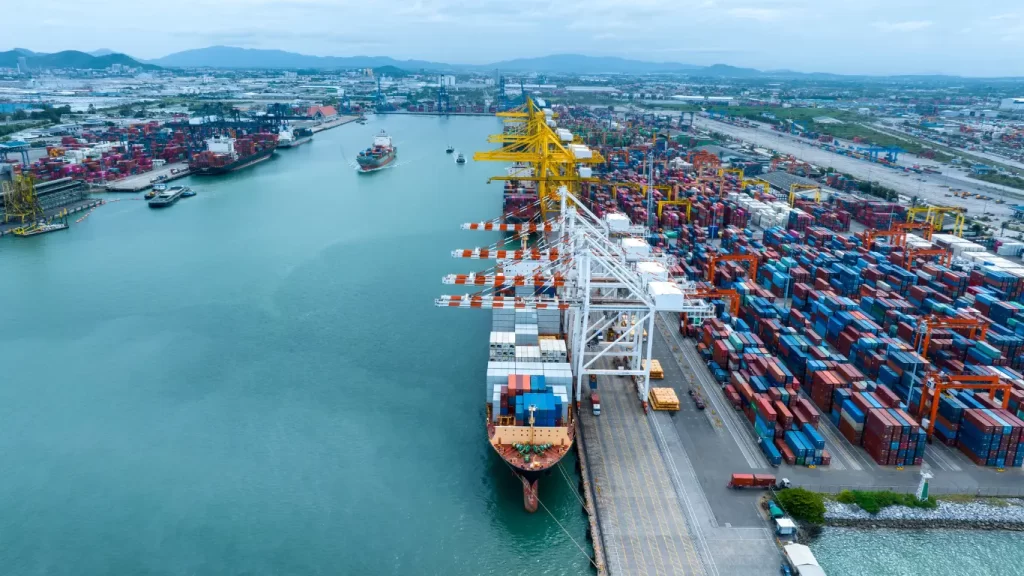
Verdict: Air freight is faster but unsuitable for bulk due to cost. Sea freight remains dominant for containers.
What Are the UK Duties and Taxes on Container Imports?
- Customs Duty: Varies by HS code (0–25%).
- UK VAT: 20% standard rate, payable on imports.
- Port Handling Fees: £200–£300 per container.
- Customs Clearance Fee: £50–£100 through a broker.
Pro Tip: Use a customs broker to optimize HS classification and reduce duties legally.
How Do Freight Forwarders Help with 20ft Container Shipping?
Freight forwarders simplify the process by:
- Negotiating better container rates with carriers.
- Handling supplier coordination in China.
- Managing UK customs declarations.
- Arranging inland trucking to final delivery.
- Providing cargo insurance and tracking services.
What Are the Pros and Cons of Using a 20ft Container?
| Pros | Cons |
|---|---|
| Lower total cost than 40ft | Higher per-unit cost |
| Flexible for medium shipments | Not enough for large volumes |
| Easier to secure space | May pay for unused capacity |
| Faster loading/unloading | Less efficient for bulk trade |
How to Reduce the Cost of 20ft Container Shipping?
- Book early to lock in rates.
- Ship off-peak (avoid Q4 and Chinese New Year).
- Consolidate cargo into FCL instead of LCL.
- Optimize packaging to maximize space.
- Work with experienced forwarders for better contracts.
📦Get a Free Quote
By working with expert forwarders, your cost of 20ft container from China to UK can be reduced significantly. Whether moving FCL or LCL, choosing the right logistics partner ensures compliance, efficiency, and peace of mind. Contact us today to request a free freight quote tailored to your trade lane.
❓ Frequently Asked Questions
1. What is the average cost of a 20ft container from China to UK?
It typically costs $1,600–$2,400 depending on origin, carrier, and season. Rates increase during peak periods and drop in off-peak months.
2. How long does sea freight take from China to UK?
Transit time averages 28–38 days depending on departure port and customs clearance speed in UK ports like Felixstowe or Southampton.
3. Do I need an EORI number to import into the UK?
Yes, all businesses importing into the UK must register for an Economic Operator Registration and Identification (EORI) number before customs clearance.
4. Is FCL better than LCL for a 20ft container?
If your cargo volume exceeds 15 CBM, FCL is usually more cost-effective and faster since no consolidation delays occur.
5. What taxes apply when importing containers into the UK?
Expect customs duty (0–25%) based on HS code, plus 20% VAT. Brokers help ensure correct classification and minimize overpayment.
Conclusion
The cost of 20ft container from China to UK depends on shipping method, season, and customs fees. Sea freight remains the most cost-effective option, especially for medium cargo. However, accurate documentation and professional forwarding support are essential to avoid delays and hidden charges. Therefore, importers should plan ahead, use expert freight forwarders, and optimize shipping schedules for the best results.