

- By carlie tj
- November 20, 2025
- Logistics, Tips or Guide
Importing toys into the United States can be highly profitable—but it also involves strict shipping requirements for toys from China to USA. From safety certifications to customs clearance, compliance is essential to avoid costly delays or product recalls. With expert guidance from ChinaTopFreight, toy importers can streamline logistics, reduce costs, and ensure compliance with U.S. regulations for a smooth and efficient supply chain.
1. What Are the Main Shipping Requirements for Toys from China to the USA?
The U.S. toy market is heavily regulated to ensure product safety. Importers must comply with both U.S. Customs and Border Protection (CBP) and the Consumer Product Safety Commission (CPSC).
Key requirements include:
- Compliance with ASTM F963: The standard for toy safety.
- Children’s Product Certificate (CPC): Issued after testing by a CPSC-accredited lab.
- Tracking Labels: Each toy must display batch or manufacturer information.
- Customs Declaration (CBP Form 7501): Required for all imports.
- Labeling Compliance: Proper origin and safety warnings.
Meeting these requirements ensures your toys can enter the U.S. market without delays or penalties.
2. What Documents Are Needed for Toy Shipments from China to the USA?
Proper documentation is critical for smooth customs clearance.
| Document | Purpose |
|---|---|
| Commercial Invoice | Declares value and product details |
| Packing List | Lists weights, dimensions, and quantities |
| Bill of Lading / Air Waybill | Proof of shipment |
| Certificate of Origin | Confirms manufacturing location |
| CPC (Children’s Product Certificate) | Verifies safety compliance |
| Test Reports (ASTM F963, CPSIA) | Ensures compliance with U.S. safety standards |
| Importer Security Filing (ISF) | Mandatory for sea freight before loading |
| Insurance Certificate | Protects cargo against loss or damage |
Failure to present accurate documents can result in fines or shipment detention by U.S. Customs.
3. How Are Toy Safety Standards Regulated for U.S. Imports?
All toys sold in the U.S. must comply with the Consumer Product Safety Improvement Act (CPSIA) and ASTM F963 safety standards. These rules cover:
- Chemical Safety: No lead or phthalates beyond specified limits.
- Physical & Mechanical Safety: Avoid small detachable parts for children under 3 years old.
- Flammability Testing: Ensures materials are fire-resistant.
- Electrical Toys: Must comply with UL standards.
Manufacturers must work with CPSC-approved third-party laboratories to obtain certifications before exporting.
4. What Are the Best Shipping Methods for Toys from China to the USA?
| Shipping Method | Transit Time | Average Cost | Best For | Advantages | Disadvantages |
|---|---|---|---|---|---|
| Sea Freight (FCL) | 25–35 days | $1,500–$2,800 / container | Large toy shipments | Lowest per-unit cost | Slower transit |
| Sea Freight (LCL) | 30–40 days | $100–$150 / CBM | Small shipments | Cost-sharing | Extra handling |
| Air Freight | 5–10 days | $6–$10 / kg | Urgent or small orders | Fast and reliable | Higher cost |
| Express Courier | 3–7 days | $8–$15 / kg | Samples or small parcels | Door-to-door | Limited cargo weight |
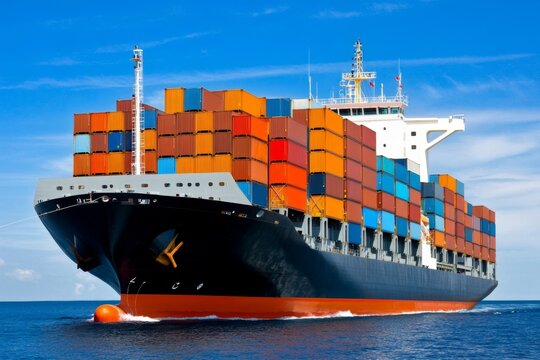
For toy importers, sea freight remains the most cost-efficient method for bulk orders, while air freight is ideal for seasonal or urgent deliveries.
5. How to Package Toys for International Shipping?
Proper packaging protects fragile toys and ensures compliance with U.S. standards.
Packaging tips:
- Use strong corrugated boxes with inner cushioning.
- Ensure non-toxic materials (no harmful ink or plasticizers).
- Include barcodes, product labels, and tracking codes.
- For palletized cargo, use heat-treated wooden pallets (ISPM-15 certified).
- Avoid overpacking to reduce shipping volume and cost.
Eco-friendly packaging is increasingly favored by U.S. retailers, aligning with sustainable logistics trends.
6.What Are the Customs Clearance Steps for Toys in the USA?
- Pre-Shipment Documentation: Importer Security Filing (ISF) must be submitted 24 hours before cargo departure.
- Arrival at Port: Customs inspection for safety compliance.
- Duties and Taxes Payment: Based on declared value and HTS code.
- Product Testing Verification: Random testing to confirm safety compliance.
- Release and Delivery: Once cleared, goods are transported to warehouses or retail hubs.
To avoid delays, always work with a customs broker familiar with U.S. toy regulations.
7.Conclusion
Understanding shipping requirements for toys from China to USA is crucial for success in the highly regulated American toy market. From safety certifications and documentation to customs clearance and transportation mode selection, each step demands precision and compliance.
By working with ChinaTopFreight, importers gain access to expert logistics management, competitive rates, and regulatory support—ensuring every toy shipment arrives safely, efficiently, and ready for sale in the U.S. market.
8. Request a Quote
China Top Freight offers:
- ✅ Origin and Destination Countries
- ✅ Cargo Type and Volume
- ✅ Preferred Transport Method (Air, Sea, Rail, Road)
- ✅ Delivery Timeline
- ✅ Special Handling Requirements (if any)
9. FAQ
1. What safety certificates are required to import toys into the USA?
You need a CPC, ASTM F963 test report, and proof of CPSIA compliance before exporting any toys to the U.S. market.
2. How can I reduce toy shipping costs from China?
Consolidate shipments, use sea freight for bulk cargo, and partner with experienced freight forwarders for better carrier rate negotiation.
3. Are there restrictions on battery-operated toys?
Battery-powered toys must meet UL safety standards and shipping regulations for lithium batteries under IATA or IMO guidelines.
4. Do I need to label toys in English for U.S. import?
Yes, all labeling—including safety warnings, manufacturer information, and age recommendations—must be in English for U.S. retail compliance.
5. What happens if my toys fail U.S. customs inspection?
Non-compliant toys may be detained, destroyed, or returned at your expense. Accurate documentation prevents such costly delays.