1.ntroduction to Shipping Routes Map

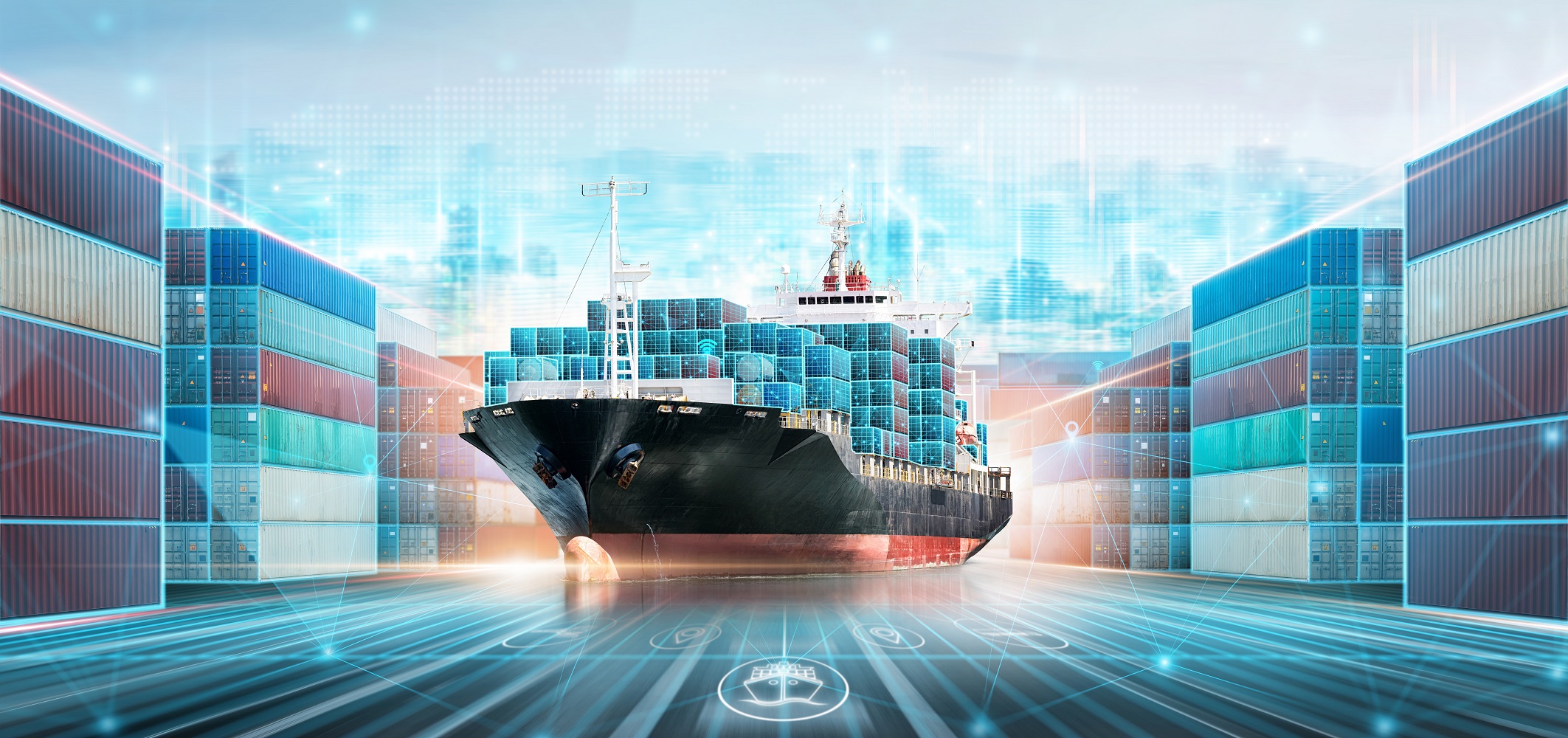
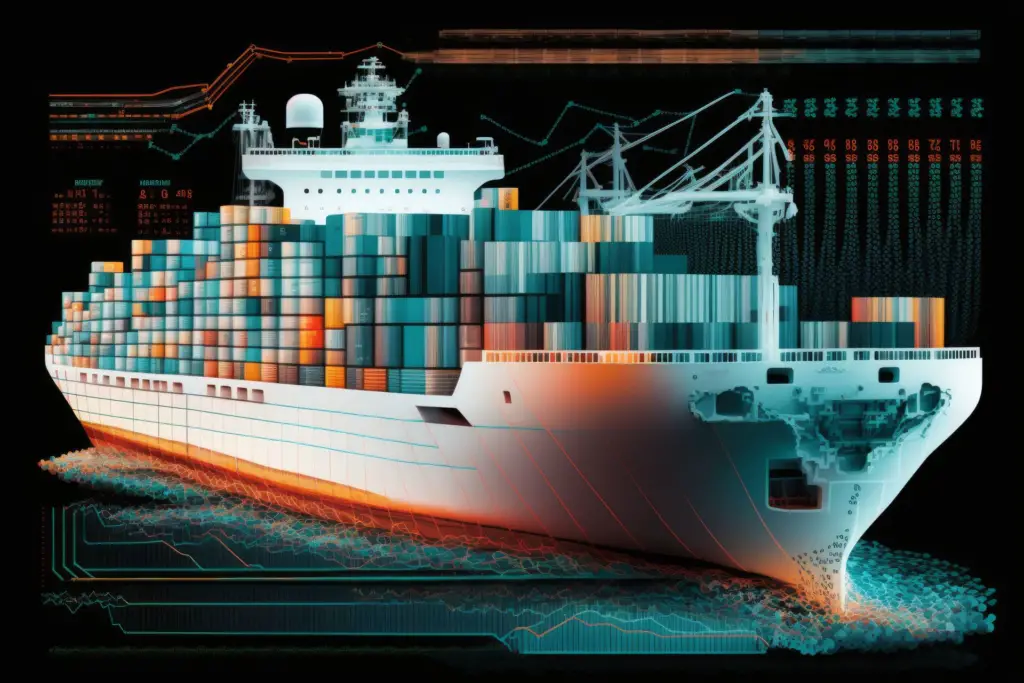
A shipping routes map shows key maritime corridors, helping businesses understand global shipping lanes, plan transit times, and optimize international trade.

📌 2.Shipping Routes Map: Time & Conditions

No.RouteAverage Transit TimeKey Conditions
1Shanghai → Los Angeles13–15 daysHigh traffic; potential delays at Panama Canal
2Rotterdam → New York7–9 daysCongestion at European ports; customs clearance times
3Singapore → Sydney5–7 daysSeasonal monsoon impacts; careful cargo planning required
4Cape Town → Mumbai10–12 daysLonger route due to Suez Canal detours; higher fuel costs
5Dubai → Hamburg8–10 daysPotential delays at transshipment hubs
what is a freight forwarder in china

3. Key Cost Factors for Shipping Routes Map

Shipping costs depend on:

  • Port fees for docking and handling cargo
  • Canal tolls like Suez or Panama fees
  • Fuel consumption based on distance and vessel type
  • Insurance for cargo protection
  • Customs duties at destination ports

📌4.Common Shipping Terms for Shipping Routes Map

Waybill: Lists shipment route and cargo details

Port of Call: Scheduled stops during voyage

Transshipment: Cargo transfer between vessels

Layover: Port stop for cargo handling or crew rest

Deadhead: Empty vessel return trip

✔️5.Major Global Chokepoints on Shipping Routes Map

  • Strait of Hormuz: Vital for oil shipments
  • Malacca Strait: Connects Indian and Pacific Oceans
  • Panama Canal: Shortcut between Atlantic and Pacific
  • Suez Canal: Key Asia-Europe route
A shipping routes map

6. Environmental Considerations

  • Shipping contributes to greenhouse gas emissions
  • Fuel-efficient vessels and optimized routes reduce impact
  • Compliance with IMO 2020 sulfur cap and other regulations is required


7. Request a Quote

 China Top Freight offers:

  • ✅ Origin and Destination Countries
  • ✅ Cargo Type and Volume
  • ✅ Preferred Transport Method (Air, Sea, Rail, Road)
  • ✅ Delivery Timeline
  • ✅ Special Handling Requirements (if any)

💬8. FAQ

What is the purpose of a shipping routes map?

It helps plan global trade, optimize transit times, and choose the most efficient maritime lanes.

Asia-Europe, trans-Pacific, and trans-Atlantic routes are the most trafficked.

Conflicts can force route diversions, longer transit times, and higher insurance costs.

Narrow passages like the Malacca Strait or Suez Canal concentrate maritime traffic, increasing risk of delays.

Storms, monsoons, and ice conditions may require rerouting or slower transit speeds.

Post a Comment