

Shoes Freight China to Europe: Your Ultimate Shipping Guide
Shipping shoes from China to Europe presents unique logistics challenges for businesses. Understanding the nuances of international freight is crucial for timely delivery and cost efficiency. This comprehensive guide will help you master the complexities of shoes freight from China to Europe, ensuring your footwear arrives smoothly.

Understanding the Landscape of Shoes Freight China to Europe
Transporting footwear from China to European markets involves intricate planning and execution. Consequently, businesses must consider various factors like volume, urgency, and budget. Strategic logistics are paramount to maintaining competitive pricing and customer satisfaction.
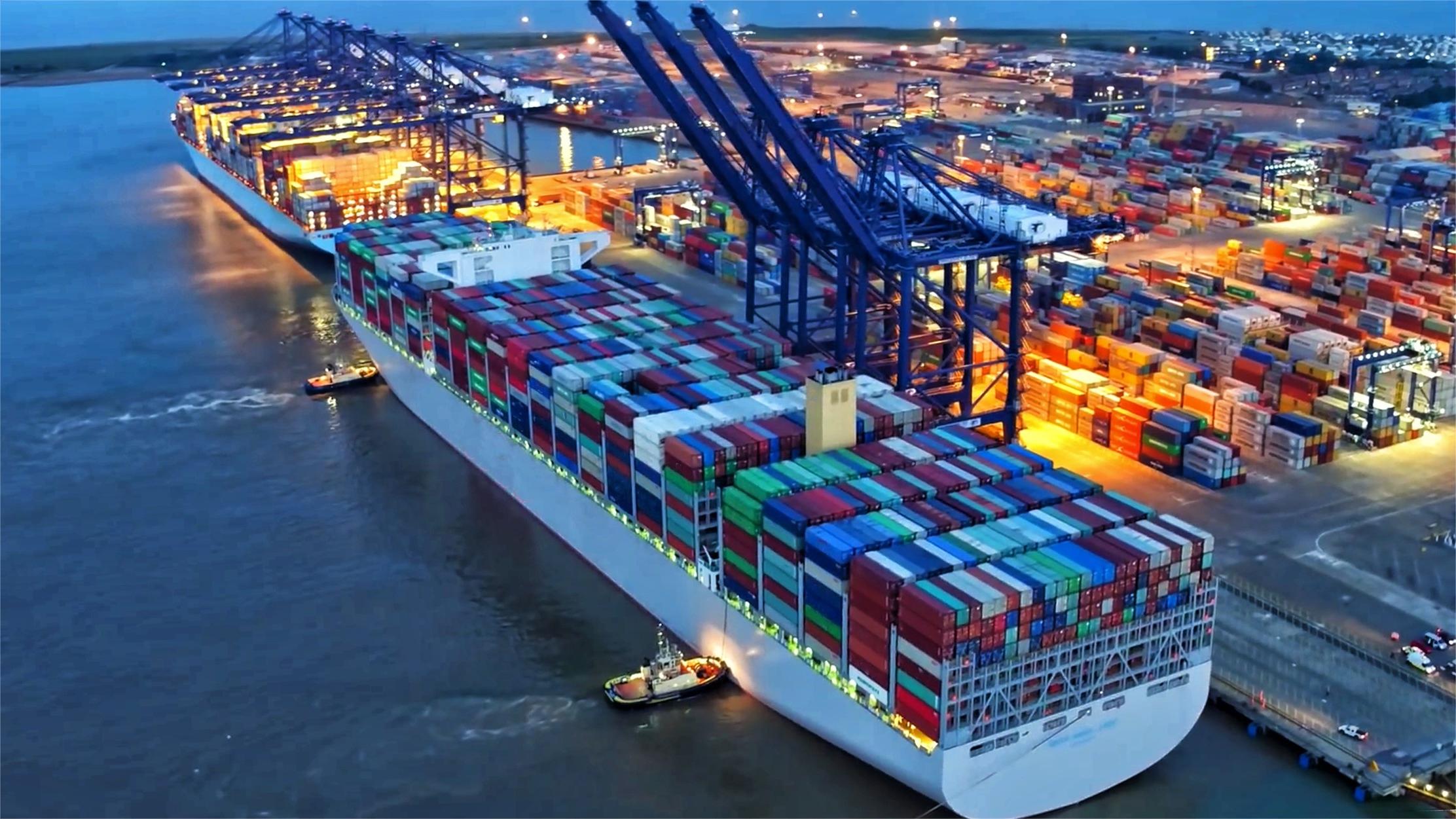
Indeed, the global supply chain for shoes is dynamic, influenced by manufacturing hubs in China and consumer demand across Europe. Therefore, selecting the right freight partner and method is a critical business decision. This choice directly impacts your operational efficiency and bottom line.
What Are Your Primary Shipping Options from China to Europe?
When shipping shoes from China to Europe, you have several primary transportation methods available. Each option offers distinct advantages and disadvantages concerning speed, cost, and capacity. Carefully evaluating these choices is essential for optimizing your supply chain to Europe.
Moreover, the ideal method often depends on the specific requirements of your shoe shipment. For instance, high-value, time-sensitive fashion items might justify faster, more expensive options. Conversely, bulk orders of standard footwear may prioritize cost-effectiveness.
Sea Freight: The Cost-Effective Choice for Bulk Footwear
Sea freight remains the most economical option for shipping large volumes of shoes. It is particularly suitable for non-urgent, heavy, or bulky shipments. Vessels travel from major Chinese ports like Shanghai, Ningbo, and Shenzhen to key European hubs such as Rotterdam, Hamburg, and Felixstowe.
However, transit times for sea freight can range from 28 to 45 days, depending on the route and any transshipments. Consequently, careful planning is necessary to account for these longer delivery schedules. Both Full Container Load (FCL) and Less than Container Load (LCL) options are available, accommodating different shipment sizes.
Furthermore, sea freight rates are generally lower, making it attractive for businesses focused on minimizing shipping costs. Always consider potential delays due to weather or port congestion when relying on this method. Timely booking is also crucial, especially during peak seasons.
Air Freight: Speed and Reliability for Urgent Shoe Deliveries
For urgent or high-value shoe shipments, air freight offers unparalleled speed. It significantly reduces transit times, typically delivering within 3-8 days. This method is ideal for new product launches, seasonal collections, or replenishing popular inventory quickly.
Nevertheless, the cost of air freight is considerably higher than sea or rail. Therefore, it is usually reserved for shipments where speed is the paramount concern. Major airports in China (e.g., Guangzhou, Beijing, Shanghai) connect to European airports like Frankfurt, Paris, and Amsterdam.
Despite the higher expense, air freight provides greater reliability in terms of delivery schedules. Additionally, it generally involves less handling, reducing the risk of damage to delicate footwear. Consider the weight and volume of your shoes, as these directly impact air freight charges.
Rail Freight: A Balanced Option for Shoes China to Europe
Rail freight has emerged as a viable middle-ground option, combining reasonable speed with moderate costs. The New Silk Road railway connects major Chinese cities to various European destinations, including Germany, Poland, and the UK. Transit times typically range from 15 to 25 days.
This method is faster than sea freight but more affordable than air freight. Therefore, rail freight offers a practical solution for many footwear businesses. It provides a good balance for shipments that are not extremely urgent but still require faster delivery than ocean transport.
Moreover, rail freight is often considered more environmentally friendly than air freight. It is also less susceptible to weather delays than sea freight, offering improved schedule predictability. Consider rail for consistent, medium-speed deliveries of your shoe inventory.
Express Shipping: Door-to-Door Convenience for Small Batches
For smaller, time-critical shoe samples or small retail orders, express shipping provides a convenient door-to-door service. Companies like DHL, FedEx, and UPS offer rapid delivery, often within 2-5 business days. This method is ideal for prototypes, urgent replacements, or direct-to-consumer fulfillment.
While express services offer speed and convenience, they are the most expensive option per kilogram. Consequently, they are best suited for lightweight, high-value items where individual unit cost is less sensitive to shipping fees. They also handle customs clearance efficiently.
Furthermore, express shipping includes tracking and usually offers comprehensive insurance options. It simplifies the logistics process for smaller volumes, making it a popular choice for e-commerce businesses or initial product testing. Evaluate the urgency and size of your shipment carefully.
How Does Each Shipping Method Compare for Footwear Imports?
Selecting the optimal shipping method for your shoes freight from China to Europe requires a clear comparison of each option’s features. Weighing cost, speed, and suitability against your business needs is crucial. This table provides a concise overview to aid your decision-making process.
Ultimately, the best choice depends on your specific supply chain priorities. For example, a budget-conscious brand might prefer sea freight, while a fast-fashion retailer might lean towards air or rail. Understanding these trade-offs is key to effective logistics management.
| Shipping Method | Cost Range (per kg/CBM) | Transit Time (approx.) | Best For | Limitations |
|---|---|---|---|---|
| Sea Freight (FCL/LCL) | Low ($0.05-0.15/kg; $50-100/CBM) | 28-45 days | Large volume, heavy, non-urgent, bulk shoes | Long transit times, port congestion risk |
| Rail Freight | Medium ($0.25-0.50/kg; $120-180/CBM) | 15-25 days | Medium urgency, balanced cost/speed, regular flow | Limited routes, less flexible than air/sea |
| Air Freight | High ($2.50-5.00/kg+) | 3-8 days | Urgent, high-value, small volume, seasonal collections | High cost, weight/volume restrictions |
| Express Shipping | Very High ($5.00-10.00/kg+) | 2-5 days | Samples, small urgent orders, B2C e-commerce | Highest cost, not suitable for bulk |
Navigating Costs and Transit Times for Your Shoe Shipments
Understanding the cost components and transit time estimates is vital for effective budgeting and inventory management. Freight rates are influenced by various factors, including fuel prices, carrier capacity, and seasonal demand. A clear breakdown helps avoid unexpected expenses.
Therefore, obtaining a detailed quote that covers all aspects of your door-to-door shipment is highly recommended. This includes not just the main freight charge but also origin and destination fees, customs, and potential surcharges. Planning ahead for lead times is equally important.
Typical Cost Breakdown for Shoes Freight
The total landed cost of your shoes freight from China to Europe comprises several elements. Ocean or air freight charges are typically the largest components. However, origin charges, such as terminal handling and documentation, also add to the overall expense.
Furthermore, destination charges, including port handling, customs clearance fees, and local delivery, must be factored in. Import duties and taxes, which vary by shoe type and destination country, are also significant. A comprehensive quote ensures transparency in these costs.
Note: Freight rates are subject to change based on fuel costs, carrier capacity, and seasonal demand. Contact us for a current quote tailored to your specific shipment.
Factors Influencing Transit Times and Delays
Several factors can impact the transit time for shipping shoes from China to Europe. These include the chosen shipping method, the specific origin and destination ports/airports, and whether the route is direct or involves transshipment. Direct routes are generally faster but can be more expensive.
Moreover, seasonal peak times, such as Chinese New Year or holiday shopping seasons, often lead to increased demand and potential delays. Port congestion, customs inspections, and unforeseen weather conditions can also extend delivery schedules. Building in buffer time is a smart practice.
Case Studies: Real-World Shoes Freight Scenarios
Examining real-world examples helps illustrate the complexities and solutions involved in shipping shoes from China to Europe. These case studies highlight different scenarios, shipping methods, and typical outcomes. They provide practical insights into effective logistics planning.
Based on Q3 2024 market rates, these examples reflect common challenges and successful strategies. Each case demonstrates how specific choices impact overall cost and delivery timelines. Understanding these can help you optimize your own footwear supply chain.
Case Study 1: Bulk Sneaker Import to Germany by Sea
This scenario involved a European retailer importing a large volume of athletic sneakers. The primary goal was cost-effectiveness for a non-urgent, regular stock replenishment. Sea freight was the chosen method, leveraging its capacity and lower per-unit cost.
| Detail | Description |
|---|---|
| Route | Shanghai, China -> Hamburg, Germany |
| Cargo | Athletic Sneakers, 28 CBM, 12,000 kg |
| Container | 1 x 40GP |
| Shipping Details | Carrier: Maersk. Port of Loading: Shanghai. Port of Discharge: Hamburg. Route Type: Direct |
| Cost Breakdown | Ocean Freight: $3,500; Origin Charges: $450; Destination Charges: $380; Customs & Duties (estimated): $1,200; Total Landed Cost: $5,530 |
| Timeline | Booking to Loading: 5 days; Sea Transit: 30 days; Customs Clearance: 3 days; Total Door-to-Door: 38 days |
| Key Insight | Cost-effective for high volume. Planning for longer lead times is essential. Q3 2024 rates were stable. |

Case Study 2: Urgent Fashion Boots to France by Air
A fashion boutique needed to quickly restock a popular line of winter boots for an upcoming sales event. Speed was paramount to capitalize on seasonal demand. Air freight was the clear choice, despite its higher cost, to ensure rapid market entry.
| Detail | Description |
|---|---|
| Route | Guangzhou, China -> Paris, France |
| Cargo | Fashion Leather Boots, 3.5 CBM, 1,500 kg |
| Container | Air Cargo Pallet |
| Shipping Details | Carrier: Major airline cargo. Airport of Loading: Guangzhou (CAN). Airport of Discharge: Paris (CDG). Route Type: Direct |
| Cost Breakdown | Air Freight: $6,750; Origin Charges: $300; Destination Charges: $250; Customs & Duties (estimated): $600; Total Landed Cost: $7,900 |
| Timeline | Booking to Loading: 2 days; Air Transit: 4 days; Customs Clearance: 1 day; Total Door-to-Door: 7 days |
| Key Insight | High speed justified by urgent market demand and high-value product. Efficient customs brokerage minimized delays. |
Case Study 3: Mid-Volume Casual Shoes to Poland by Rail
An online retailer required a consistent, moderately fast shipping solution for their casual shoe collection. They sought a balance between speed and cost, making rail freight an attractive option. This approach helped maintain steady inventory without excessive air freight costs.
| Detail | Description |
|---|---|
| Route | Chengdu, China -> Warsaw, Poland |
| Cargo | Casual Footwear, 15 CBM, 6,000 kg |
| Container | LCL Rail Cargo |
| Shipping Details | Carrier: China-Europe Railway Express. Terminal of Loading: Chengdu. Terminal of Discharge: Malaszewicze (Poland). Route Type: Direct |
| Cost Breakdown | Rail Freight: $3,600; Origin Charges: $280; Destination Charges: $320; Customs & Duties (estimated): $800; Total Landed Cost: $5,000 |
| Timeline | Booking to Loading: 4 days; Rail Transit: 18 days; Customs Clearance: 2 days; Total Door-to-Door: 24 days |
| Key Insight | Excellent balance of speed and cost for regular, predictable shipments. Less prone to sea weather delays. |
Streamlining Customs and Documentation for Footwear Imports
Efficient customs clearance is crucial for avoiding delays and unexpected costs when importing shoes into Europe. Proper documentation ensures a smooth process. Consequently, understanding the requirements for both export from China and import into the EU is essential.
Furthermore, working with an experienced freight forwarder or customs brokerage service can significantly simplify this complex step. They can guide you through tariffs, duties, and compliance regulations. This expertise helps prevent costly errors and ensures adherence to international trade laws.
Key Documents Required for Shoes Freight
A complete set of accurate documents is mandatory for customs clearance. This typically includes a Commercial Invoice, Packing List, Bill of Lading (for sea freight) or Air Waybill (for air freight), and a Certificate of Origin. Each document must be meticulously prepared.
Additionally, specific footwear may require further certifications, such as those related to materials or manufacturing standards. Harmonized System (HS) codes for shoes must be correctly identified to ensure proper duty assessment. Incorrect classification can lead to penalties or delays.
| Document Type | Purpose | Key Information |
|---|---|---|
| Commercial Invoice | Proof of sale, value declaration | Seller/Buyer info, product description, quantity, price, currency, Incoterms |
| Packing List | Details contents of shipment | Number of packages, weight, dimensions, contents of each package |
| Bill of Lading (B/L) / Air Waybill (AWB) | Contract of carriage, title to goods | Shipper/Consignee, carrier, ports/airports, description of goods, freight terms |
| Certificate of Origin | Proves country of manufacture | Country of origin, product description, usually issued by chamber of commerce |
| Import License (if applicable) | Authorization to import certain goods | Specific to product type or destination country regulations |
Understanding EU Import Duties and Taxes on Footwear
When importing shoes into the European Union, various duties and taxes apply. The specific tariffs depend on the shoe’s material, type, and origin country, as determined by its HS code. Value Added Tax (VAT) is also levied by the destination EU country.
Moreover, some footwear categories may be subject to anti-dumping duties or specific quotas. Staying informed about these regulations is critical for accurate cost forecasting. Consulting with a customs expert can help navigate these complexities and ensure compliance.
Optimizing Your Supply Chain for Shoes Freight China to Europe
An optimized supply chain is essential for competitive advantage in the footwear market. It involves more than just selecting a shipping method; it encompasses efficient inventory management, strategic warehousing, and responsive distribution. Streamlining these processes reduces overall operational costs.
Furthermore, leveraging technology and data analytics can provide valuable insights into logistics trends and performance. This proactive approach helps anticipate potential disruptions and adapt quickly. Ultimately, a robust supply chain ensures consistent product availability and customer satisfaction.
Consolidation and Amazon FBA Services
For businesses with multiple suppliers in China, freight consolidation services can significantly reduce shipping costs. Instead of multiple small shipments, goods from various factories are combined into one larger consignment. This maximizes container utilization and lowers per-unit freight rates.
Additionally, for Amazon sellers, specialized Amazon FBA (Fulfillment by Amazon) shipping services simplify the process of getting shoes directly to Amazon’s European fulfillment centers. These services often include labeling, quality checks, and direct delivery, saving time and effort. They streamline the final leg of the supply chain.
Risk Management and Insurance for Footwear Shipments
Protecting your investment during transit is paramount. International shipping carries inherent risks, including loss, damage, or theft. Therefore, adequate cargo insurance is a crucial component of effective risk management. It provides financial protection against unforeseen incidents.
Moreover, choosing reputable carriers and freight forwarders with a proven track record can mitigate many risks. Always review the terms of your insurance policy and understand what is covered. This proactive step safeguards your inventory and financial stability throughout the shipping process.
Which Option Should You Choose for Your Shoes Freight?
Deciding on the best shipping method for your shoes freight from China to Europe depends on several critical factors. There is no one-size-fits-all solution; instead, the optimal choice aligns with your specific business priorities. Consider your budget, urgency, and cargo characteristics carefully.
By evaluating these criteria, you can make an informed decision that balances cost-efficiency with operational demands. This strategic approach ensures your footwear supply chain is robust and responsive to market needs. Ultimately, the right choice contributes directly to your business success.
Budget Priority: Cost-Saving Strategies
If minimizing shipping costs is your top priority, especially for large, non-urgent orders, sea freight is typically the most economical option. Consider LCL for smaller volumes to avoid paying for an entire container. Booking in advance and during off-peak seasons can also yield savings.
Furthermore, exploring rail freight can offer a good balance if sea freight is too slow but air freight is too expensive. Consolidating multiple smaller shipments into one larger consignment also significantly reduces per-unit costs. Always compare quotes from different providers.
Speed Priority: Rapid Delivery Solutions
For time-sensitive shoe collections, new product launches, or urgent replenishment, air freight is the fastest solution. Express services are even quicker for samples or very small, critical batches. Speed often comes at a premium, so evaluate the revenue impact of faster delivery.
Indeed, a slightly longer but more affordable option for speed-conscious shipments that aren’t hyper-urgent is rail freight. This method bridges the gap between sea and air, providing a faster alternative to ocean shipping without the highest costs. Plan for customs clearance efficiency.
Cargo Type and Volume Thresholds
The type and volume of shoes also influence the best shipping method. High-value, delicate, or luxury footwear may benefit from the reduced handling and faster transit of air freight. Conversely, durable, mass-produced items are well-suited for sea freight.
For volumes under 15 CBM, LCL sea freight or rail LCL might be more cost-effective than FCL. For volumes between 15-30 CBM, FCL sea freight or rail FCL becomes competitive. Anything smaller, like a few cartons, often points to express or air cargo. Consider the density of your shoe boxes.
Final Thoughts on Shoes Freight China to Europe
Navigating the complexities of shipping shoes from China to Europe requires careful planning and strategic decision-making. By understanding the various freight options, their associated costs, transit times, and customs requirements, businesses can optimize their supply chains. Choosing the right partner is paramount for successful international logistics.
Ultimately, whether you prioritize speed, cost, or a balance of both, a well-executed shipping strategy ensures your footwear reaches its European market efficiently. This proactive approach supports sustained growth and customer satisfaction in a competitive global landscape for shoes freight from China to Europe.
Need a tailored shipping solution?
Ready to streamline your shoes freight from China to Europe? Get a personalized quote today and discover how our expert logistics solutions can benefit your business. Visit China Top Freight to learn more about our comprehensive services.