

Shoes Freight from China: Your Ultimate Shipping Guide
Importing shoes from China can be a complex yet highly rewarding venture for businesses worldwide. Navigating the intricacies of international logistics, particularly for shoes freight from China, requires careful planning and expert knowledge. This comprehensive guide will equip you with the essential information to streamline your shoe imports, ensuring efficiency and cost-effectiveness. We aim to address common pain points and provide actionable solutions for your supply chain.

Why is Shoes Freight from China Complex?
Shipping shoes from China involves unique challenges impacting your supply chain. Understanding these complexities is vital for effective logistics management. This includes varying materials, stringent regulations, and fluctuating freight rates.
The sheer volume and variety of footwear demand specialized handling. Shoes come in diverse materials, sizes, and packaging, requiring careful container loading. Improper packing can lead to damage and losses, incurring costs.
International regulations and customs procedures for importing shoes are strict. Different countries impose varying duties, taxes, and compliance standards. Navigating these rules without expert guidance risks penalties or shipment seizures.
Fluctuating freight rates and transit times add complexity. Global events, peak seasons, and carrier capacity affect costs and delivery schedules. Therefore, budgeting and planning require constant market awareness.
Ultimately, managing these variables demands a strategic approach. Businesses need reliable partners offering transparent solutions for sea freight, air freight, or express services. These tailored solutions are essential for shoe imports.
Understanding Key Shipping Methods for Shoes
When planning your shoes freight from China, selecting the appropriate shipping method is paramount. Each option offers distinct advantages and disadvantages regarding cost, speed, and capacity. Your choice must align with your business needs and inventory strategy.
Considering the specific characteristics of your shoe shipment is essential. This includes the volume, urgency, and value of the footwear. Understanding the trade-offs between different methods will help you make an informed decision and optimize your shipping strategy.
Sea Freight: The Cost-Effective Choice for Bulk Shoe Orders
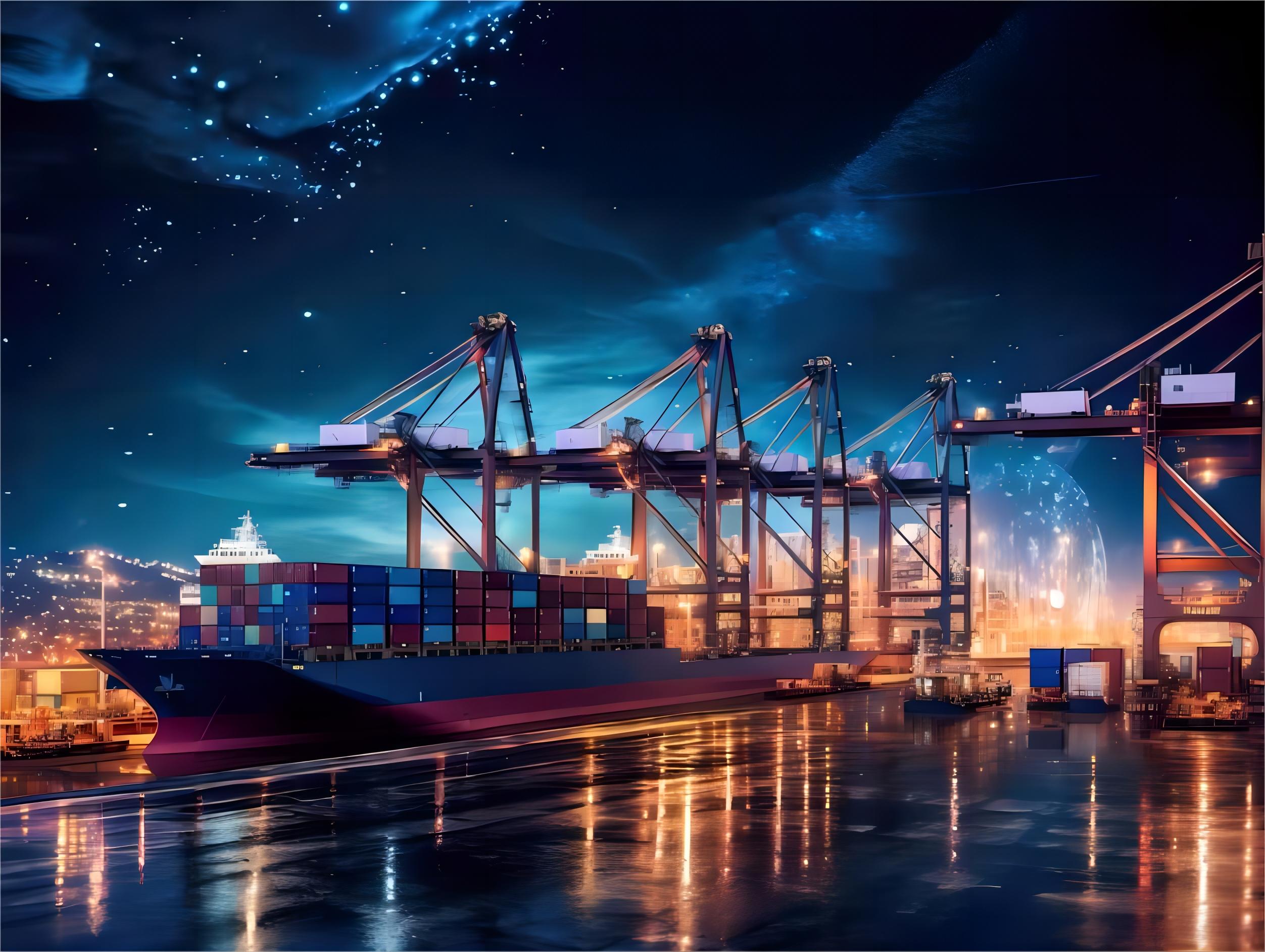
For large volumes of shoes, sea freight remains the most economical option. This method is ideal for businesses importing substantial quantities of footwear, such as seasonal collections or ongoing inventory. It offers significant cost savings per unit.
Sea freight typically involves either Full Container Load (FCL) or Less than Container Load (LCL) options. FCL is suitable if your shoe volume fills an entire container. Conversely, LCL allows you to share container space, perfect for smaller, non-urgent bulk shoe orders.
However, sea freight comes with longer transit times, usually ranging from 20 to 45 days. Careful planning and sufficient lead times are necessary to avoid stockouts. Despite the longer duration, its affordability makes it a preferred choice for many shoe importers.
Air Freight: Speed for Time-Sensitive Fashion Footwear
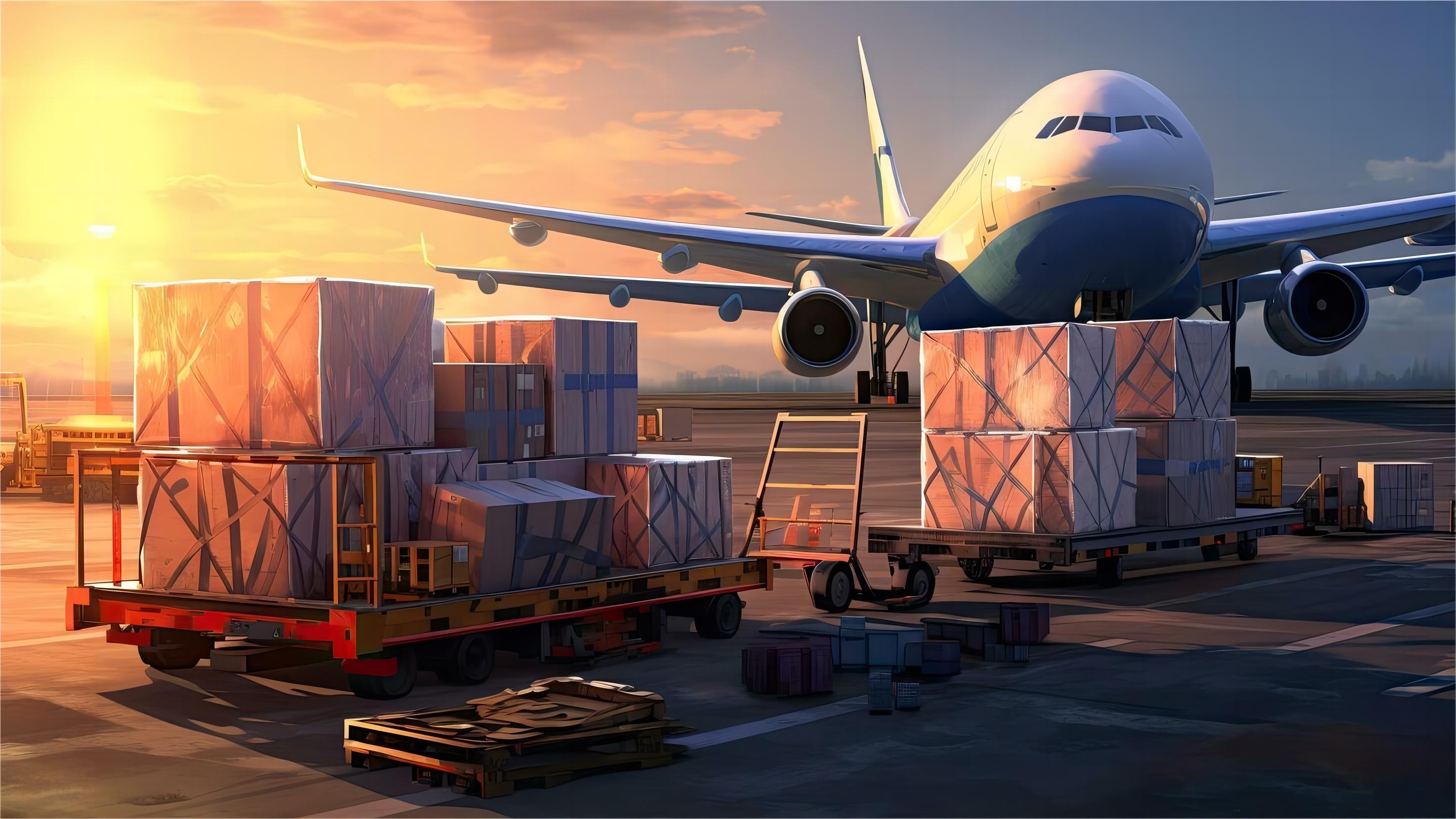
When speed is a priority, particularly for new fashion shoe launches or urgent stock replenishment, air freight is the superior choice. Although more expensive than sea freight, it drastically reduces transit times, often delivering within 3-8 days. This is invaluable for market responsiveness.
Air cargo is especially beneficial for high-value or time-sensitive footwear, where inventory turns quickly. It minimizes the risk of missing market trends or seasonal sales opportunities. Moreover, air freight typically involves less handling, reducing potential damage.
Nevertheless, the higher cost per kilogram means air freight is generally reserved for smaller, more critical shipments. Businesses often use it strategically for initial product launches or to bridge inventory gaps. This balanced approach helps manage overall shipping costs.
Express Shipping: For Samples and Urgent Shoe Orders
For extremely urgent shoe samples, prototypes, or small, high-value orders, express shipping services are unparalleled. Carriers like DHL, FedEx, and UPS offer door-to-door delivery within 1-5 days, providing the fastest possible service for your footwear needs. This is ideal for quick market testing.
While express services are the quickest, they are also the most expensive per kilogram. Therefore, they are not typically used for bulk commercial shipments of shoes. Instead, they serve as a critical tool for product development or quality control checks.
The convenience of integrated customs clearance and tracking also makes express shipping a popular choice for small, critical shoe imports. It simplifies the process for businesses needing prompt receipt without extensive logistical involvement.
Rail Freight: A Balanced Option for European Shoe Markets
For shipments destined for Europe, rail freight presents an excellent middle-ground option between sea and air. It offers a balance of cost-effectiveness and reasonable transit times, typically ranging from 15 to 25 days. This makes it increasingly popular for businesses importing shoes to European countries.
Rail transport is often more environmentally friendly than air freight and faster than sea freight. It can be particularly advantageous for landlocked European destinations, avoiding extensive onward trucking from port cities. Furthermore, it offers consistent transit schedules for shoe brands.
However, rail freight’s applicability is limited to specific routes connecting China to Europe. It is not a viable option for destinations like North America or Australia. Businesses should evaluate the specific origin and destination within China and Europe to determine its suitability.
How Does Shoes Freight from China Compare to Other Shipping Options?
Choosing the optimal method for your shoes freight from China requires a thorough comparison of available options. Each shipping mode—sea, air, rail, and express—caters to different priorities, whether it’s cost, speed, or cargo volume. Understanding these distinctions is vital for strategic decision-making.
Below, we provide a comprehensive comparison to help you evaluate which method best suits your specific shoe import requirements. We will analyze cost ranges, typical transit times, ideal use cases, and inherent limitations. This will help you find the best way to import shoes from China.
| Shipping Method | Cost Range (per kg/CBM) | Transit Time (China to Europe/NA) | Best For | Limitations |
|---|---|---|---|---|
| Sea Freight (FCL) | $50-80/CBM (Europe) | 28-45 days | Large, non-urgent bulk shoe orders | Long transit times, port congestion |
| Sea Freight (LCL) | $80-120/CBM (Europe) | 35-55 days | Smaller bulk shoe orders, flexible volume | Longer transit, more handling, potential delays |
| Air Freight | $4-8/kg (Europe) | 3-8 days | Time-sensitive, high-value fashion shoes | High cost, weight/volume restrictions |
| Rail Freight (Europe only) | $2-4/kg (Europe) | 15-25 days | Medium-urgency, cost-sensitive Europe-bound shoes | Route limitations, less capacity than sea |
| Express Shipping | $8-15/kg (Global) | 1-5 days | Samples, prototypes, urgent small orders | Highest cost, strict weight/size limits |
Which Option Should You Choose?
Deciding on the best shipping method for your shoes freight from China depends heavily on your specific business priorities. Indeed, there is no one-size-fits-all solution; consequently, a tailored approach is always recommended.
If budget is your primary concern, and you have ample lead time, sea freight is undoubtedly the most cost-effective choice for bulk shoe orders. This method allows for significant savings on shipping rates for footwear. Conversely, for urgent fashion shoes or samples, air freight or express shipping are indispensable, despite their higher cost.
Cargo type also plays a role. Fragile or high-value designer shoes might benefit from the quicker, less-handled transit of air freight. Meanwhile, standard athletic shoes in large volumes are perfectly suited for sea freight. Moreover, volume thresholds are critical: LCL for smaller quantities, FCL for full containers.
Consider hybrid solutions for a balanced approach. For example, you might use air freight for an initial stock of new shoe models and follow up with a larger, more economical sea freight shipment. This strategy balances speed and cost, optimizing your overall supply chain for shoe imports. Ultimately, a strategic blend often yields the best results.

Navigating Customs and Documentation for Shoe Imports
Clearing customs is a critical step in the shoes freight from China process. Incorrect documentation or a lack of understanding of import regulations can lead to significant delays, fines, and even seizure of your goods. Therefore, meticulous preparation is essential for smooth customs clearance.
Firstly, you must correctly classify your footwear using the Harmonized System (HS) codes. These codes determine the applicable duties and taxes in your destination country. Consequently, misclassification can result in penalties or unexpected costs, impacting your overall shipping costs for footwear.
Furthermore, various documents are required for successful import. These typically include a commercial invoice, packing list, bill of lading (for sea freight) or airway bill (for air freight), and a certificate of origin. Occasionally, additional permits or certifications might be necessary for specialized materials.
Engaging a professional customs brokerage service is highly recommended. They possess the expertise to navigate complex regulations, prepare accurate documentation, and ensure compliance with all import laws. This proactive approach helps to prevent costly errors and expedites the customs process for your China shoe manufacturing logistics.
Based on industry benchmarks, a reliable customs broker can save businesses considerable time and money by avoiding common pitfalls. Their knowledge of local regulations and strong relationships with customs officials are invaluable. Moreover, they can advise on potential duties and taxes upfront for better financial planning.
| Document | Purpose | Who Provides | Importance |
|---|---|---|---|
| Commercial Invoice | Details goods, value, buyer/seller | Shipper/Seller | Crucial for customs valuation and duties |
| Packing List | Details contents, weight, dimensions per package | Shipper/Seller | Aids customs inspection and cargo handling |
| Bill of Lading (B/L) / Air Waybill (AWB) | Contract of carriage, title to goods | Carrier/Forwarder | Proof of shipment and ownership |
| Certificate of Origin (COO) | Certifies country of manufacture | Shipper/Manufacturer | Determines eligibility for preferential tariffs |
| Import License/Permit | Required for certain goods or countries | Importer (if applicable) | Mandatory for restricted items |
Calculating Your Shoes Freight Costs from China
Accurately calculating the total cost of your shoes freight from China is vital for budgeting and pricing your products competitively. Freight rates are dynamic, influenced by numerous factors beyond just the shipping method. Therefore, a comprehensive understanding of these elements is necessary.
It is important to look beyond the basic freight charge. Many hidden costs can accumulate, significantly impacting your final landed cost per pair of shoes. Consequently, a detailed breakdown of all potential expenses is crucial for financial planning. This includes understanding the cost to ship shoes from China thoroughly.
Key Factors Influencing Freight Rates for Footwear
Several key factors dictate the cost of shipping shoes from China. Firstly, the volume and weight of your shipment directly affect the space required and, consequently, the price. Larger shipments generally benefit from lower per-unit costs, especially with FCL sea freight.
Secondly, the chosen shipping method—sea, air, rail, or express—is the most significant cost determinant. As discussed, air and express are faster but substantially more expensive. Furthermore, the origin and destination ports also influence rates due to varying demand and route availability.
Current market conditions, including fuel prices, carrier capacity, and global demand, play a crucial role. For instance, peak seasons (like before holidays or during Q4) often see a surge in rates. Therefore, planning ahead can help mitigate these surcharges.
Additionally, the type of shoes being shipped can sometimes influence costs, particularly if they require special handling or have specific customs classifications. Understanding these nuances helps in predicting the overall shipping rates for footwear. Based on current market rates, these factors can cause significant fluctuations.
Additional Costs to Consider for Shoe Imports
Beyond the base freight rate, several other charges contribute to the total cost of your shoes freight from China. These include origin charges, destination charges, and various surcharges. Understanding each component is essential for an accurate budget.
Origin charges encompass local transport to the port, terminal handling charges (THC) at the loading port, documentation fees, and customs clearance at the origin. Meanwhile, destination charges include THC at the destination port, customs clearance, and local delivery (drayage) to your warehouse. These are often overlooked but can add up significantly.
Furthermore, you must account for import duties, taxes (like VAT or GST), and any applicable tariffs specific to footwear. Cargo insurance is also a wise investment, protecting your shipment against loss or damage during transit. Without a doubt, these elements collectively form the total landed cost.
Note: Freight rates are subject to change based on fuel costs, carrier capacity, and seasonal demand. Contact us for a current quote tailored to your specific shipment.
Optimizing Your Supply Chain for Shoe Imports
An efficient supply chain is critical for the success of any business importing shoes from China. Optimizing your logistics processes can lead to significant cost savings, reduced lead times, and improved customer satisfaction. This involves strategic planning and leveraging expert services.
Implementing effective inventory management practices is paramount. By accurately forecasting demand, you can minimize both overstocking and stockouts, thereby reducing warehousing costs and avoiding lost sales. Furthermore, real-time tracking of your shipments provides invaluable visibility.
Consolidation and Warehousing Strategies
For businesses sourcing shoes from multiple suppliers across China, cargo consolidation is a powerful optimization strategy. Instead of shipping small, individual consignments, a freight forwarder can combine these into a larger, single shipment. This approach significantly reduces per-unit shipping costs.
Consolidation often takes place at a central warehouse in China, where goods are collected, inspected, and then packed together efficiently. Consequently, this leads to better utilization of container space, whether for LCL or FCL shipments. This is a smart way to manage your China shoe manufacturing logistics.
Furthermore, strategic warehousing solutions, both at origin and destination, can enhance flexibility. Holding inventory closer to your market can reduce final delivery times. Moreover, using bonded warehouses can defer duty payments until goods are sold, improving cash flow.
Leveraging Door-to-Door Delivery for Footwear
Opting for door-to-door delivery simplifies the entire shoes freight from China process for importers. This comprehensive service handles all aspects of shipping, from pickup at the supplier’s factory in China to final delivery at your warehouse or distribution center. It offers unparalleled convenience.
A single point of contact manages all logistics, including inland transportation, customs clearance, ocean or air freight, and final mile delivery. Consequently, this reduces administrative burden and minimizes the risk of miscommunication or delays between different service providers. It truly streamlines your supply chain.
This integrated approach is particularly beneficial for businesses without extensive in-house logistics teams. It ensures a seamless flow of goods, allowing you to focus on sales and marketing rather than shipping complexities. Therefore, it is a highly recommended service for efficient shoe imports.
Real-World Shoes Freight from China Case Studies
Understanding how different shipping strategies play out in real-world scenarios can provide invaluable insights for your own shoes freight from China operations. These case studies illustrate the practical application of various methods and their outcomes. They highlight the complexities and successes in importing shoes from China.
These examples showcase typical challenges and solutions, helping you visualize potential cost savings and efficiency gains. Based on Q3 2024 market rates, these scenarios offer realistic perspectives on shipping rates for footwear and transit expectations. We aim to provide clear, actionable insights.
Case Study 1: Bulk Sneakers via Sea Freight (FCL)
This case demonstrates the cost-effectiveness of FCL sea freight for large-volume shoe orders. The client prioritized low unit cost and had sufficient lead time for their seasonal inventory.
The shipment navigated typical peak season challenges, yet careful planning minimized delays. This highlights the importance of booking well in advance during busy periods. The total landed cost per pair was significantly reduced.
| Detail | Description |
|---|---|
| Route | Shenzhen, China Los Angeles, USA |
| Cargo | Athletic sneakers, 60 CBM, 15,000 kg (approx. 10,000 pairs) |
| Container | 40HQ (Full Container Load) |
| Shipping Details | Carrier: MSC, Port of Loading: Yantian, Port of Discharge: Long Beach, Route Type: Direct |
| Cost Breakdown | Ocean Freight: $3,200, Origin Charges (THC, documentation): $450, Destination Charges: $600, Customs & Duties (estimated): $1,800, Total Landed Cost: $6,050 |
| Timeline | Booking to Loading: 7 days, Sea Transit: 18 days, Customs Clearance: 3 days, Total Door-to-Door: 28 days |
| Key Insight | Optimal for large volumes, significant cost savings per unit. Q4 peak season rates were 15% higher than off-peak. |
Case Study 2: Fashion Boots via Air Freight
This case illustrates the use of air freight for a time-sensitive shipment of fashion boots, crucial for a new collection launch. Speed was the paramount factor, justifying the higher cost.
The quick transit ensured the boots hit the market precisely with the seasonal trend. This prevented lost sales due to delayed inventory. Air cargo for fashion shoes proved to be the right choice.
| Detail | Description |
|---|---|
| Route | Guangzhou, China London, UK |
| Cargo | Leather fashion boots, 5 CBM, 1,200 kg (approx. 800 pairs) |
| Container | Air Cargo (General) |
| Shipping Details | Carrier: Cathay Pacific Cargo, Airport of Loading: Guangzhou Baiyun (CAN), Airport of Discharge: London Heathrow (LHR), Route Type: Direct |
| Cost Breakdown | Air Freight: $5,400, Origin Charges (handling, documentation): $300, Destination Charges: $250, Customs & Duties (estimated): $900, Total Landed Cost: $6,850 |
| Timeline | Booking to Loading: 2 days, Air Transit: 3 days, Customs Clearance: 1 day, Total Door-to-Door: 7 days |
| Key Insight | Ideal for urgent, high-value fashion items. Fast market entry for new collections. Air cargo for fashion shoes is often essential. |
Case Study 3: Urgent Sample Shoes via Express Service
This scenario highlights the efficiency of express shipping for critical shoe samples. The client needed to approve prototypes quickly to meet tight production deadlines. This facilitated rapid decision-making.
The rapid delivery allowed for immediate feedback and adjustments, preventing potential manufacturing errors on a larger scale. Express shipping for shoe samples is invaluable for product development.
| Detail | Description |
|---|---|
| Route | Xiamen, China New York, USA |
| Cargo | Prototype shoe samples, 0.5 CBM, 100 kg (10 pairs) |
| Container | Express Parcel |
| Shipping Details | Carrier: DHL Express, Origin: Xiamen, Destination: New York, Service Type: Door-to-Door Express |
| Cost Breakdown | Express Freight: $950, Origin Charges (pickup, documentation): Included, Destination Charges: Included, Customs & Duties (estimated): $80, Total Landed Cost: $1,030 |
| Timeline | Booking to Pickup: 1 day, Transit: 2 days, Customs Clearance: 1 day, Total Door-to-Door: 4 days |
| Key Insight | Fastest option for urgent small shipments and samples. Higher unit cost but critical for product development and quality control. |
Common Challenges and Solutions in Shoe Shipping
Despite careful planning, challenges can arise during the shoes freight from China process. Recognizing these potential hurdles and having proactive solutions in place is crucial for maintaining a smooth supply chain. This prepares businesses for unforeseen circumstances.
One common issue is port congestion, which can lead to significant delays, especially during peak seasons. Furthermore, unexpected customs inspections or regulatory changes can also hold up shipments. Therefore, flexibility and communication are key to mitigating these problems.
Mitigating Delays and Unexpected Costs
To mitigate delays, it is advisable to book shipments well in advance, particularly for sea freight during busy periods like Chinese New Year or Q4. Consider alternative ports or routes if your primary option is heavily congested. Moreover, maintaining open communication with your freight forwarder is paramount.
Unexpected costs often stem from demurrage or detention charges, incurred when containers are not picked up or returned on time. To avoid these, ensure efficient internal processes for customs clearance and drayage. Additionally, comprehensive cargo insurance protects against financial losses from damage or theft.
Another strategy involves diversifying your shipping methods. For instance, if sea freight is delayed, having the option to switch a portion of your order to air freight for critical items can save your business. This flexibility in your China shoe manufacturing logistics can make a significant difference.
Ensuring Quality Control and Compliance
Maintaining quality control for your shoe imports from China is essential. Implement pre-shipment inspections at the factory to catch defects before goods leave China. This prevents costly returns and dissatisfied customers. Moreover, clear communication of quality standards with your suppliers is vital.
Ensuring compliance with international and local regulations is another challenge. This includes labeling requirements, material restrictions, and safety standards for footwear. Work closely with your customs broker to stay updated on any changes. Consequently, this proactive approach helps avoid legal issues and penalties.
Furthermore, understanding the specific import duties on shoes from China for your market is critical. Tariffs can vary significantly based on material, origin, and specific trade agreements. Therefore, accurate HS code classification is not just about compliance but also about managing costs effectively.
Choosing the Right Freight Forwarder for Your Shoe Business
The success of your shoes freight from China operations largely depends on the expertise and reliability of your freight forwarder. A seasoned partner can navigate the complexities of international shipping, offering tailored solutions that save you time and money. Therefore, selecting the right one is a strategic decision.
Look for a freight forwarder with extensive experience in handling footwear. They should understand the specific requirements for shoe packaging, customs classifications, and optimal shipping routes. Moreover, their network and relationships with carriers can be invaluable for securing competitive rates and reliable service.
China Top Freight, for instance, specializes in comprehensive logistics solutions from China. We offer a full suite of services, including sea freight, air freight, and door-to-door delivery, all designed to streamline your shoe imports. Our expertise ensures a smooth and efficient supply chain, from factory to your final destination.
Key Qualities of an Excellent Freight Forwarder
An excellent freight forwarder for shoes freight from China should possess several key qualities. Firstly, strong communication skills are paramount. They must provide transparent updates, respond promptly to inquiries, and proactively inform you of any potential issues. Consequently, this fosters trust and reduces anxiety.
Secondly, a robust global network is essential. This includes connections with major carriers, agents at origin and destination, and customs brokers. Such a network ensures flexibility and reliability, especially during unforeseen disruptions. Moreover, their ability to offer competitive shipping rates for footwear is a significant advantage.
Finally, look for a forwarder that offers comprehensive services, from cargo consolidation and warehousing to customs clearance and final delivery. This integrated approach simplifies your logistics, providing a seamless experience. Ultimately, they should act as an extension of your own supply chain management for shoe brands.
Conclusion: Mastering Your Shoes Freight from China
Successfully managing shoes freight from China requires a strategic blend of understanding various shipping methods, navigating complex customs regulations, and optimizing your supply chain. By carefully evaluating your needs against the options available—sea, air, rail, and express—you can make informed decisions that drive efficiency and cost savings.
Partnering with an experienced and reliable freight forwarder is undoubtedly the most critical step in this process. Their expertise in China shoe manufacturing logistics, combined with their ability to offer comprehensive, integrated services, will ensure your footwear reaches its destination smoothly and on schedule. Ultimately, a well-managed logistics strategy for importing shoes from China is key to your business’s growth and profitability.
Get Your Shipping Quote Today
Ready to optimize your shoes freight from China? Contact our expert team today for a personalized consultation and a competitive quote tailored to your specific shipping needs. Let us help you navigate the complexities of international logistics with ease and efficiency.
Request Quote