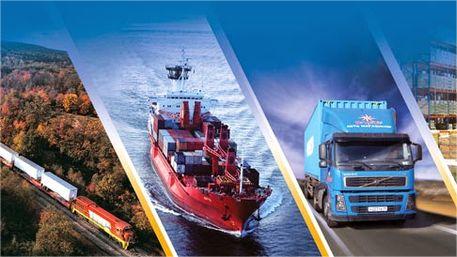
Shipping goods via China sea cargo is one of the most cost-effective and scalable methods for businesses trading with global markets, especially Southeast Asia and beyond. Whether you are an importer, e-commerce seller, or supply chain manager, understanding how China sea cargo works is essential for minimizing costs and maximizing delivery success.At Reliable China freight forwarder , we specialize in China sea cargo solutions, helping businesses navigate every step of the process. From full containers to consolidated LCL shipments, this comprehensive guide walks you through the key procedures, transportation options, documentation requirements, and how to avoid delays when shipping by sea from China.
Shipping Options: FCL vs LCL
Full Container Load (FCL)
Ideal for large shipments (usually over 15 CBM)
Dedicated container with faster handling
Lower cost per cubic meter
Less than Container Load (LCL)
Great for small to medium businesses
Share space with other importers
Slightly longer processing times
📌Transportation Tip
FCL cargo reduces the risk of damage and offers better control over transport time. If your cargo volume is near full container capacity, consider FCL for smoother customs clearance and fewer transshipment delays.
Transit Time for Sea Cargo from China
Destination
Estimated Transit Time
Singapore
4 – 6 days
USA (West Coast)
15 – 20 days
Europe (Rotterdam)
25 – 30 days
Australia (Sydney)
12 – 16 days
📌Transportation Focus
Transit times vary based on port of origin, destination, and service level (express vs economy sea cargo). Direct sailings can reduce delays and cut days off the delivery schedule.
Comparison: Sea Freight vs Air Freight vs Rail Freight
When shipping from China, choosing the right transportation method is crucial. Here’s how China sea cargo compares to air and rail freight:
When shipping via China sea cargo, be prepared with the following:
Bill of Lading
Commercial Invoice
Packing List
Certificate of Origin (if required)
Import License (country-specific)
Work with a freight forwarder who can pre-check documentation and ensure everything aligns with Chinese export laws and the destination country’s import rules.
Cost Breakdown of Sea Cargo from China
Understanding the pricing structure helps avoid surprise costs:
Ocean Freight Charges
Port Handling Fees
Customs Clearance
Documentation Fees
Inland Trucking (if needed)
📌 Transportation Cost Insight
The base sea freight cost is just one part of your logistics budget. Inland transportation from factories to Chinese ports and local delivery in the destination country also add up. Ask for a full breakdown to get an accurate quote.
Working with an experienced freight forwarder makes the process smooth. They help you:
Select the right shipping method (FCL or LCL)
Manage inland pickup in China
Book with reliable carriers
Track your cargo in real-time
Resolve port or customs delays
Modern tracking tools allow you to monitor container status throughout the entire sea journey, improving supply chain visibility and delivery planning.
Types of Cargo Commonly Shipped via Sea
Electronics and machinery
Garments and textiles
Furniture and home goods
Automotive parts
Raw materials and bulk items
Due to the capacity and cost-efficiency, China sea cargo is ideal for businesses moving high-volume or non-urgent goods.
We ensure your agent Chinais handled with maximum care and transparency.
Final Thoughts
China sea cargo offers unmatched affordability and flexibility, especially for bulk shipments. With proper planning, reliable forwarding partners, and attention to customs and transport timelines, you can streamline your China-to-global logistics with ease.
For importers looking to build reliable supply chains, sea freight from China remains a top choice.
FAQ
1. Can I ship perishable goods via sea cargo from China?
Yes, using refrigerated containers (reefers). However, consider air freight if shelf life is short.
2.What happens if my cargo is delayed at sea?
Shipping delays can be caused by port congestion, bad weather, or customs issues. A forwarder helps with rerouting or filing claims if needed.
3. Is marine insurance necessary for sea cargo?
It’s optional but strongly recommended, especially for high-value goods or fragile items.
4. How do I track my sea freight shipment?
Most carriers provide container tracking via B/L number on their website or apps.
5.How do I calculate sea cargo costs from China?
Costs depend on cargo size, weight, destination, and service type (FCL or LCL).