

Shipping sporting goods from China to global markets requires precise planning, careful documentation, and optimized logistics. Sporting goods freight from China can be cost-effective, but delays, customs issues, and poor mode selection often increase risks. This guide explains how to streamline freight management, minimize costs, and ensure timely delivery.

1. What Are the Main Shipping Methods for Sporting Goods Freight from China?
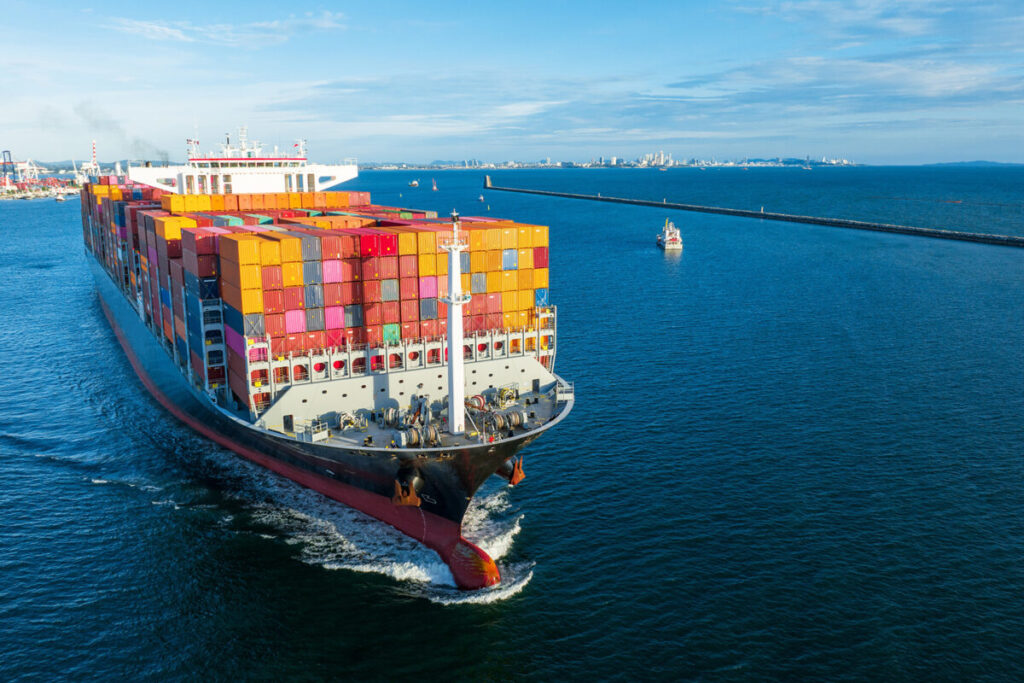
Freight forwarders usually recommend four major options for sporting goods shipping: sea freight, air freight, rail freight, and courier/express delivery. Each has advantages depending on shipment size, urgency, and cost.
| Shipping Method | Avg. Cost (per CBM/kg) | Transit Time | Best For | Pros | Cons |
|---|---|---|---|---|---|
| Sea Freight (FCL/LCL) | $35–$80/CBM | 25–40 days | Bulk, heavy equipment | Lowest unit cost, scalable | Long transit, port congestion |
| Air Freight | $4–$8/kg | 5–10 days | High-value gear | Fast, secure | Expensive, weight limits |
| Rail Freight (China–EU) | $120–$180/CBM | 15–25 days | Europe shipments | Balanced speed & cost | Limited coverage |
| Express Courier | $6–$12/kg | 3–7 days | Small urgent items | Door-to-door, fast customs | High cost for volume |
2. Can Air Freight Reduce Delivery Risk for Sporting Goods Freight from China?
Yes. Air freight offers faster transit and lower damage risk, making it ideal for high-value sports equipment (e.g., branded rackets, diving gear, or premium apparel). However, weight and dimension restrictions increase costs significantly. Therefore, it’s recommended for urgent shipments, seasonal launches, or retail stock replenishment.
3. Why Choose Sea Freight for Bulk Sporting Goods Freight from China?
Sea freight is the most cost-efficient solution for bulk cargo like treadmills, gym machines, or bicycles. Moreover, FCL (Full Container Load) provides security for large volumes, while LCL (Less than Container Load) benefits smaller importers.
| Container Type | Capacity | Typical Freight Rate China → US | China → UK | China → Australia |
|---|---|---|---|---|
| 20ft FCL | ~28 CBM | $2,100 – $2,600 | $2,000 – $2,400 | $1,900 – $2,300 |
| 40ft FCL | ~58 CBM | $3,600 – $4,200 | $3,400 – $3,900 | $3,200 – $3,800 |
| LCL | 1–15 CBM | $45–$75 per CBM | $40–$65 per CBM | $50–$80 per CBM |
What are you waiting for?
Contact chinatopfreight for a fast, free quote.
Are you ready to book?
Access live instant freight quotes
4. Is Rail Freight from China to Europe a Good Option?
Rail freight is increasingly popular for sporting goods freight from China headed to Europe. It balances speed and cost between sea and air. Moreover, it reduces carbon footprint compared to air. For products like skis, bicycles, and mid-sized fitness gear, China–Europe rail freight provides a competitive solution.
| Destination | Avg. Transit Time | Est. Cost per CBM |
|---|---|---|
| Germany | 18–22 days | $130–$160 |
| Poland | 15–20 days | $120–$150 |
| France | 18–23 days | $135–$170 |
5. What Documents Are Required for Sporting Goods Freight from China?
To avoid customs clearance delays, importers must prepare a full set of documents. Missing paperwork leads to demurrage charges and shipment delays.
| Document | Purpose |
|---|---|
| Commercial Invoice | Declares product details & value |
| Packing List | Confirms cargo quantity & packaging |
| Bill of Lading (B/L) or Airway Bill (AWB) | Contract of carriage |
| Certificate of Origin | Required for tariffs & duty preference |
| Import Licenses (where applicable) | For regulated goods |
| HS Codes | Ensure accurate duty classification |
| Insurance Certificate | Protects against loss/damage |
6. How Much Do Customs Duties and Taxes Cost?
Duties depend on HS codes assigned to sporting goods. For example, bicycles, gym equipment, and apparel may fall under different tariff lines. Additionally, VAT or GST applies in destinations such as the UK, EU, and Australia.
Example:
- Sporting apparel (HS 6112) → 12% duty in the EU + 20% VAT.
- Fitness equipment (HS 9506) → 2–8% duty in the US.
7. How to Optimize Supply Chain for Sporting Goods Importers?
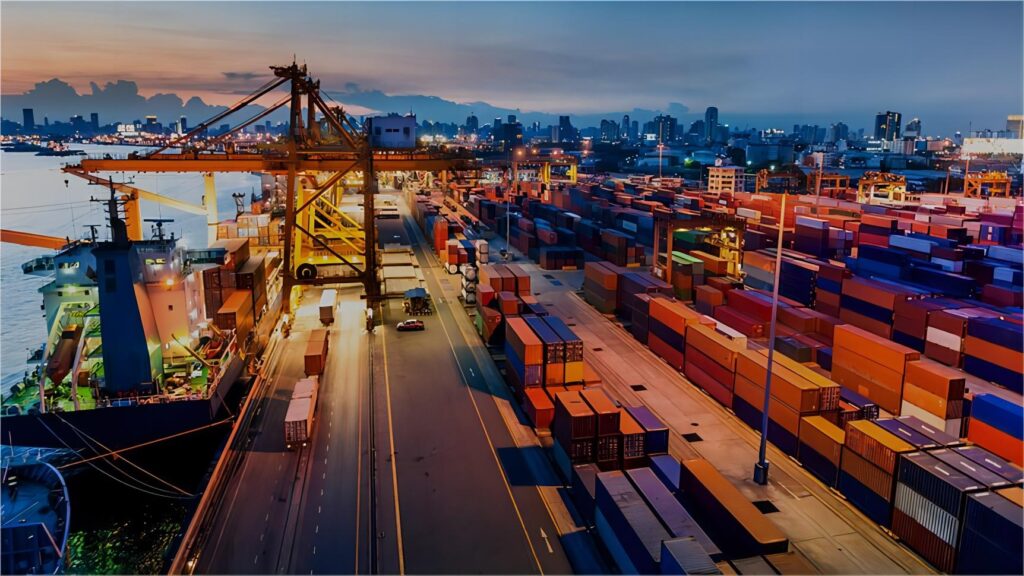
- Plan seasonal demand: Ship large volumes by sea well before peak sports seasons.
- Use bonded warehouses: Store goods closer to markets for fast last-mile delivery.
- Combine modes: Multimodal shipping (rail + sea) reduces costs while maintaining speed.
- Negotiate with forwarders: Long-term contracts stabilize freight rates.
8. What Are the Pros and Cons of Each Shipping Method?
| Mode | Pros | Cons |
|---|---|---|
| Sea Freight | Cheapest per unit, scalable | Long lead times |
| Air Freight | Fast, secure | Expensive |
| Rail Freight | Balanced cost & speed | Limited geography |
| Courier | Simple customs, fast | Costly for heavy cargo |
9. How Long Does It Take for Sporting Goods Freight from China?
Transit times vary by route and method:
| Destination | Sea Freight | Air Freight | Rail Freight |
|---|---|---|---|
| USA (West Coast) | 18–25 days | 5–7 days | N/A |
| UK | 28–35 days | 5–8 days | 18–22 days |
| Australia | 20–25 days | 5–7 days | N/A |
| Germany | 30–35 days | 6–9 days | 18–23 days |
10. Should You Use a Freight Forwarder for Sporting Goods Freight from China?
Absolutely. Freight forwarders handle booking, consolidation, customs clearance, documentation, and last-mile delivery. Moreover, they provide cargo insurance and negotiate carrier rates, saving both time and cost for importers.
11. What Are the Common Challenges in Sporting Goods Freight from China?
- Peak season surcharges increase shipping costs.
- Incorrect HS codes lead to customs penalties.
- Damaged packaging often occurs with bulky equipment.
- Port congestion extends transit times.
Proactive planning and a reliable logistics partner prevent most of these issues.
Conclusion
Sporting goods freight from China requires balancing cost, speed, and customs compliance. By choosing the right shipping method, preparing documents, and working with a reliable forwarder, importers can cut costs, reduce risks, and meet delivery schedules.
Whether you’re moving bicycles, gym equipment, or sports apparel, planning ahead and leveraging multimodal options ensures smooth logistics.
FAQ
Q1: What’s the cheapest way to ship bulk sporting goods from China?
Sea freight (FCL) is usually the cheapest option for bulk cargo like fitness machines or bicycles, though it requires longer lead times.
Q2: Can I ship small batches of sports accessories by courier?
Yes. Express courier is suitable for small batches of accessories, uniforms, or urgent stock but is costlier per kilogram compared to sea or air.
Q3: How can I avoid customs clearance delays?
Ensure all documents—commercial invoice, HS codes, packing list, and certificates—are accurate. Partnering with a licensed forwarder speeds up clearance.
Q4: Do I need product certifications for sporting goods imports?
Some items may require safety or compliance certificates, especially children’s sports gear or protective equipment in the EU, UK, or US.
Q5: Is insurance necessary for sporting goods shipping?
Yes. Cargo insurance protects against loss, damage, or theft. Sporting goods are bulky and valuable, making insurance a smart investment.