

- By kelly
- October 17, 2025
- Logistics, Tips or Guide
Sporting Goods Shipping China to Europe – Complete Guide
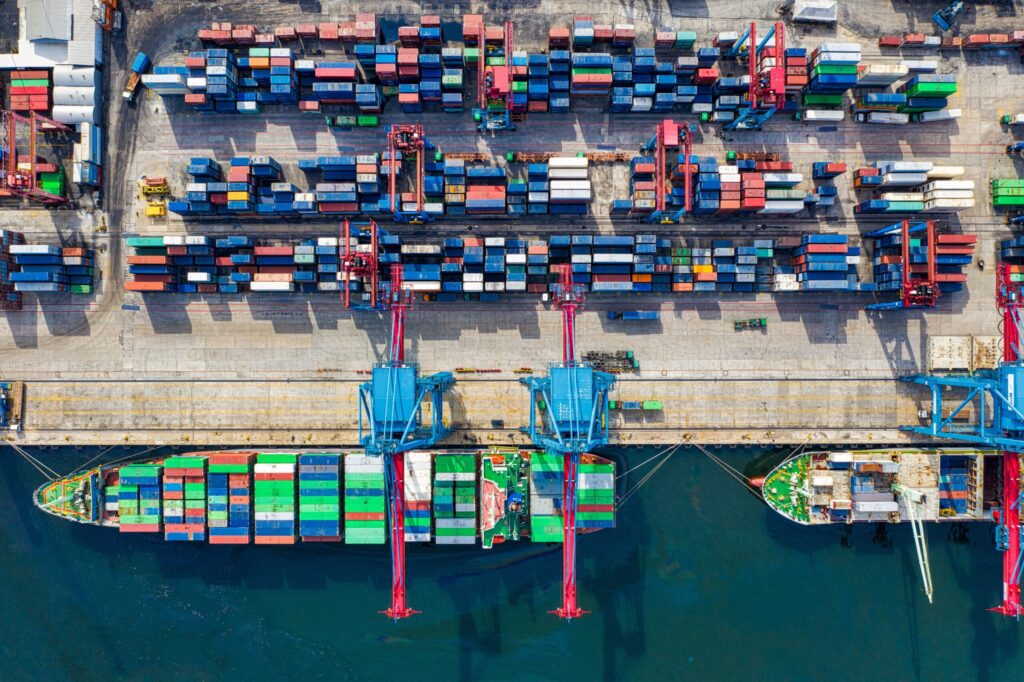
The demand for sporting goods shipping China to Europe has grown rapidly, fueled by online retail, fitness trends, and global e-commerce platforms. However, shipping sporting goods such as bicycles, fitness equipment, apparel, and accessories requires careful planning due to customs regulations, varying freight costs, and delivery schedules. Businesses must choose the right method—air, sea, or rail freight—to balance speed, cost, and reliability.
1. What Makes Sporting Goods Shipping Unique?
Sporting goods often include oversized, bulky, or fragile items such as treadmills, bicycles, or weightlifting gear. Therefore, they demand specialized packaging, dimensional weight calculations, and sometimes even temperature-controlled handling for sports nutrition products. Moreover, import/export regulations vary across European countries, adding complexity to logistics.
2. How Long Does It Take to Ship Sporting Goods from China to Europe?
Transit times depend on shipping methods, destination, and customs clearance speed.
Table 1: Average Transit Times
| Method | Transit Time |
|---|---|
| Air Freight | 5–9 days |
| Sea Freight | 28–40 days |
| Rail Freight | 18–24 days |
| Courier | 4–7 days |
3. Which Shipping Method Is Best for Sporting Goods?
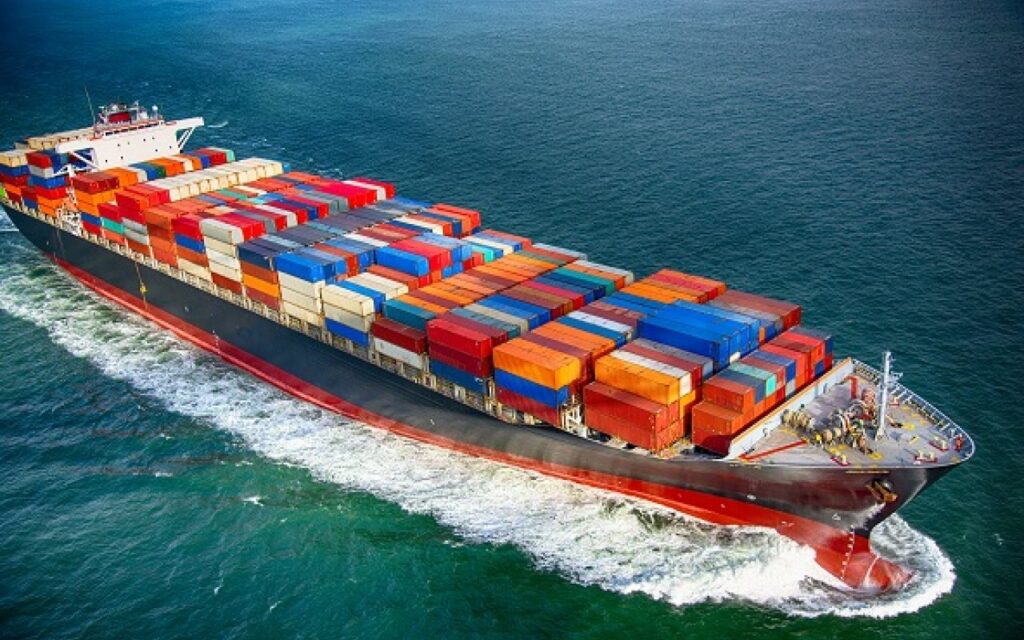
Choosing between air freight, sea freight, rail freight, and courier depends on shipment size, urgency, and budget.
Table 2: Shipping Method Comparison
| Method | Cost Estimate | Transit Time | Pros | Cons |
|---|---|---|---|---|
| Air Freight | $6–$10/kg | 5–9 days | Fast, secure | Expensive |
| Sea Freight FCL | $2,500–$3,200/40ft | 28–40 days | Best for bulk | Slow |
| Sea Freight LCL | $80–$150/cbm | 30–45 days | Flexible | Risk of delays |
| Rail Freight | $4,000–$5,000/40ft | 18–24 days | Balanced option | Limited routes |
| Courier | $12–$18/kg | 4–7 days | Door-to-door | Very costly |
4. Should You Use Air Freight for Sporting Goods?
5. How Does Sea Freight Work for Sporting Goods?
Sea freight remains the most economical method for large-volume or oversized shipments. Full Container Load (FCL) is suitable for bulk orders, while Less than Container Load (LCL) works for smaller shipments.
Table 3: Example Sea Freight Pricing
| Container Size | Price Range (China–Europe) | Capacity |
|---|---|---|
| 20ft FCL | $1,800–$2,200 | 28–30 cbm |
| 40ft FCL | $2,500–$3,200 | 55–60 cbm |
| LCL Cargo | $80–$150 per cbm | Small loads |
6. Can Rail Freight Be a Good Alternative?
7. What Are the Customs Requirements for Sporting Goods in Europe?
European customs authorities require proper documentation to ensure compliance.
Table 4: Customs Documents Checklist
| Document | Purpose |
|---|---|
| Commercial Invoice | Declares value of goods |
| Packing List | Itemized cargo details |
| Bill of Lading / Air Waybill | Proof of shipment contract |
| HS Code Declaration | Tariff classification |
| CE Certificate (if applicable) | Compliance with EU standards |
| Import License (for restricted goods) | Authorization for entry |
8. How Much Does It Cost to Ship Sporting Goods?
Costs depend on shipment method and destination.
Table 5: Estimated Costs by Mode
| Mode | Average Cost | Best For |
|---|---|---|
| Air Freight | $6–$10/kg | Urgent, high-value items |
| Sea Freight | $2,500–$3,200/container | Bulk, heavy cargo |
| Rail Freight | $4,000–$5,000/container | Balanced shipments |
| Courier | $12–$18/kg | Small, urgent packages |
9. What Are the Pros and Cons of Shipping Sporting Goods?
Table 6: Pros and Cons of Different Methods
| Method | Pros | Cons |
|---|---|---|
| Air Freight | Speed, reliability | Expensive |
| Sea Freight | Low cost, bulk capacity | Slow, weather delays |
| Rail Freight | Mid-speed, eco-friendly | Limited to certain routes |
| Courier | Fastest door-to-door | Highest cost |
10. How to Optimize Sporting Goods Shipping?
- Plan shipments early to avoid peak season delays.
- Choose the right Incoterms (FOB, CIF, DDP) for risk management.
- Work with experienced freight forwarders to handle customs clearance.
- Use durable packaging for bulky or fragile equipment.
- Book cargo insurance to mitigate risks.
11. Which Are the Top European Ports for Sporting Goods Imports?
- Rotterdam, Netherlands – Largest EU entry point.
- Hamburg, Germany – Major logistics hub.
- Antwerp, Belgium – Efficient customs processing.
- Felixstowe, UK – Key gateway for UK imports.
📦Get a Free Quote
Looking for reliable solutions for sporting goods shipping China to Europe? Our freight experts provide competitive rates, flexible shipping options, and smooth customs clearance. Get in touch today for a free quote and discover how we can optimize your supply chain.
❓ Frequently Asked Questions
1. How long does it take to ship sporting goods by sea from China to Europe?
It typically takes 28–40 days, depending on the port of departure in China and the arrival destination in Europe.
2. Is rail freight faster than sea freight for sporting goods?
Yes. Rail freight takes around 18–24 days, which is nearly two weeks faster than traditional sea freight routes.
3. What is the cheapest way to ship sporting goods to Europe?
Sea freight is the most economical option, especially for bulky or heavy items such as fitness machines or bicycles.
4. Do I need a CE certificate to import sporting goods into Europe?
Yes, certain products like protective gear and electronic accessories require CE certification for compliance with EU standards.
5. Can I ship sporting goods in small batches?
Yes. LCL sea freight or express courier services are cost-effective for small or sample shipments of sporting goods.
Conclusion
Efficient logistics are critical to meeting Europe’s growing demand for fitness and outdoor products. The best solution for sporting goods shipping China to Europe depends on your priorities—speed, cost, or volume. Air freight delivers fast results, sea freight lowers costs for bulk, and rail freight offers a balanced alternative. By working with a professional freight forwarder, businesses can ensure safe delivery, compliance with EU regulations, and timely arrival of sporting goods to European markets.