

Streamlining Your 40GP FCL Booking Process for Medical Equipment from China to Germany
Shipping medical equipment from China to Germany demands precision and compliance. Understanding the 40GP FCL booking process for medical equipment from China to Germany is crucial for maintaining your supply chain’s integrity. This comprehensive guide will walk you through every essential step, ensuring your vital cargo arrives safely and on schedule. Discover seamless logistics solutions with China Top Freight.

What is 40GP FCL Shipping for Medical Equipment?
Full Container Load (FCL) shipping, particularly using a 40GP container, is a preferred method for transporting medical equipment. It means your goods occupy an entire container, offering enhanced security and direct transit. This significantly reduces handling risks for sensitive and high-value healthcare products.
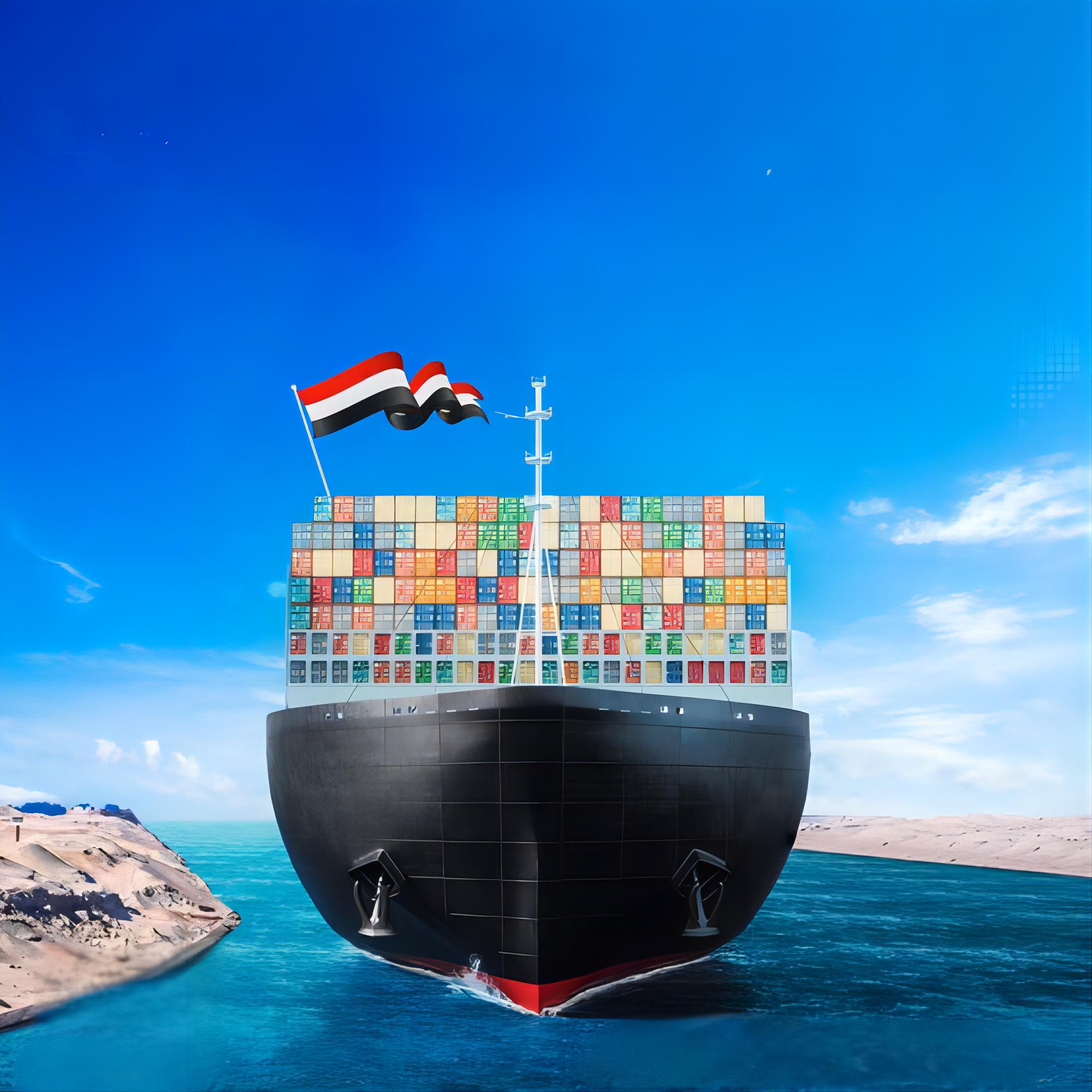
A 40GP (General Purpose) container measures approximately 40 feet long, 8 feet wide, and 8.5 feet high. Consequently, it provides substantial volume, making it ideal for large shipments of medical devices or bulk pharmaceutical supplies. Using a dedicated container minimizes exposure and potential damage during transit.
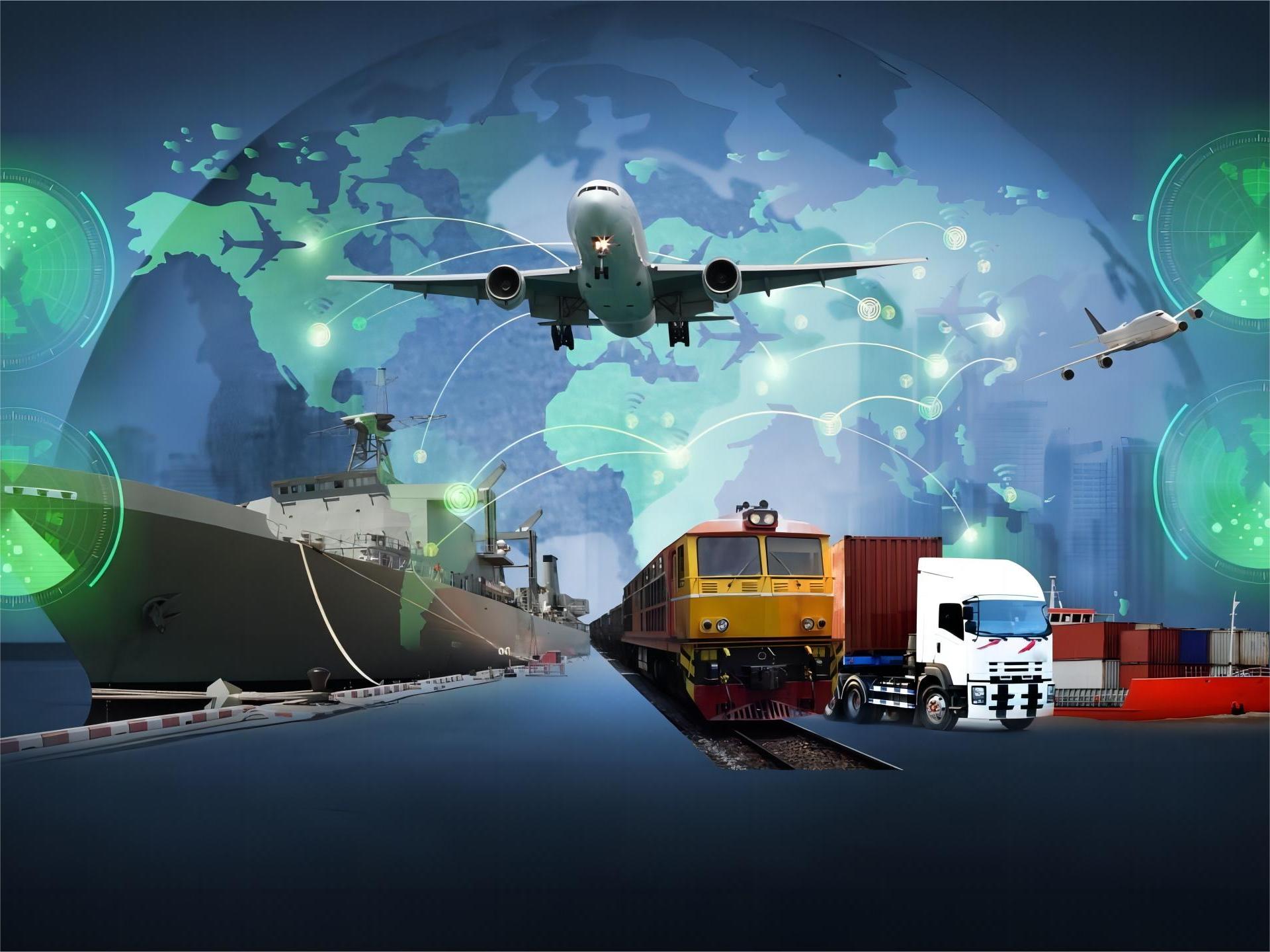
Moreover, FCL shipping often results in faster transit times compared to Less than Container Load (LCL). This is because there are no delays associated with consolidating multiple shippers’ cargo. For time-sensitive medical supplies, this efficiency is invaluable.

Therefore, for businesses importing medical equipment from China to Germany, a 40GP FCL booking process offers a robust and reliable solution. It ensures the integrity of your medical supply chain from origin to destination.
Key Stages in the 40GP FCL Booking Process for Medical Equipment
Navigating the 40GP FCL booking process for medical equipment from China to Germany involves several critical steps. Each stage requires careful attention to detail and compliance with international shipping regulations. Proper execution ensures a smooth and efficient delivery.
Initial Inquiry and Quote Request
Firstly, begin by requesting a comprehensive quote from a reputable freight forwarder. You will need to provide details such as the type of medical equipment, its dimensions and weight, the desired origin and destination ports, and the Incoterms. This information helps in accurately assessing freight rates and overall shipping costs.
Furthermore, specify any special handling requirements, such as temperature control or fragility. This ensures the forwarder can arrange appropriate services. For large volumes, sea freight is typically the most cost-effective option, offering significant savings over air cargo.
Documentation and Compliance
Secondly, meticulous documentation is paramount for international medical device shipping. Essential documents include the commercial invoice, packing list, bill of lading, and certificate of origin. Additionally, specific permits and licenses may be required for medical equipment imports into Germany.
Crucially, all medical devices must comply with EU Medical Device Regulation (MDR) or In Vitro Diagnostic Regulation (IVDR). This includes CE marking and appointing an Authorized Representative in the EU. A skilled customs brokerage service can help ensure all regulatory requirements are met, preventing delays and penalties at German customs.
Cargo Preparation and Loading
Next, proper packaging is vital for protecting sensitive medical equipment during transit. Ensure all items are securely packed, often using custom crates or specialized cushioning. The container itself should be inspected for cleanliness and structural integrity before loading.
Loading can occur either at the factory (shipper’s premises) or at the port. Factory loading, also known as ‘live load,’ allows for better control over the loading process. Conversely, port loading involves transferring goods to the container at the shipping terminal.
Ocean Transit and Tracking
Once loaded, the container is transported to the port of loading and then onto the vessel. The transit time from China to Germany typically ranges from 28 to 35 days, depending on the specific ports and carrier routes. Direct routes are generally faster but can be more expensive than transshipment options.
During transit, real-time tracking becomes essential for monitoring your shipment’s progress. Most reputable freight forwarders provide online tracking portals, allowing you to stay informed. This visibility helps manage expectations and plan for arrival.
Customs Clearance and Delivery in Germany
Upon arrival at a German port (e.g., Hamburg or Bremerhaven), the cargo undergoes customs clearance. This process involves submitting all required documentation and paying applicable import duties and VAT. German customs authorities are strict, especially for medical products, so accuracy is critical.
Finally, after successful customs clearance, the container is transported to its final destination within Germany. Many importers opt for a door-to-door service, where the freight forwarder manages the entire process from pickup in China to delivery at your German facility. This streamlines the logistics and reduces administrative burden.
How Does 40GP FCL Compare to Other Shipping Options?
Choosing the optimal shipping method for medical equipment from China to Germany involves weighing various factors. While 40GP FCL is highly recommended for its security and cost-efficiency for larger volumes, other options might suit specific needs. Understanding these alternatives is crucial for a well-informed decision.
| Shipping Method | Cost Range (40GP equivalent) | Transit Time (China to Germany) | Best For | Limitations |
|---|---|---|---|---|
| Sea FCL (40GP) | $2,800 – $4,200 | 28 – 35 days | Large volumes, cost-efficiency, security for sensitive cargo | Slowest transit, potential port delays |
| Sea LCL | $50 – $80/CBM (under 15 CBM) | 35 – 45 days | Smaller volumes, lower upfront cost | More handling, longer transit, higher risk of damage |
| Air Freight | $15,000 – $25,000 | 5 – 7 days | Urgent, high-value, small-volume shipments | Very high cost, limited capacity for large items |
| Rail Freight | $8,000 – $12,000 | 18 – 22 days | Mid-range urgency, cost-effective alternative to air | Limited routes, potential border delays, less flexible |
Which Shipping Option Should You Choose for Your Medical Equipment?
Selecting the right logistics solution depends heavily on your specific business priorities and cargo characteristics. Consider these criteria to make the most informed decision for your medical supply chain.
If budget is your primary concern, 40GP FCL sea freight is almost always the most economical choice. It offers the lowest cost per unit for larger volumes. However, you must account for the longer transit times.
Conversely, if speed is paramount for urgent medical supplies, then air freight is the undisputed winner. It ensures rapid delivery, albeit at a significantly higher cost. This option is ideal for critical, life-saving equipment.
For a balance between speed and cost, rail freight presents a viable alternative. It is faster than sea freight and considerably cheaper than air freight. This method is gaining popularity for shipments between China and Europe.
Additionally, cargo type considerations play a role. Extremely fragile or temperature-sensitive medical devices might benefit from dedicated FCL containers with specialized handling or climate control. This minimizes exposure and ensures product integrity.
Furthermore, volume thresholds dictate the cost-effectiveness of FCL versus LCL. For shipments exceeding 15 CBM, a 40GP FCL booking process typically becomes more economical. Below this, LCL might be considered, though with increased handling risks. Hybrid solutions, like sea-air combinations, can also be explored for unique requirements.
Navigating Regulations: Medical Device Import into Germany
Importing medical equipment into Germany, a key part of the EU, is subject to stringent regulations. Compliance is not optional; it is a legal requirement to ensure patient safety and product efficacy. Therefore, understanding these rules is critical for any successful import operation.
Firstly, all medical devices must bear the CE mark, indicating conformity with EU health, safety, and environmental protection standards. This is enforced under the Medical Device Regulation (MDR (EU) 2017/745) or In Vitro Diagnostic Regulation (IVDR (EU) 2017/746). These regulations are more rigorous than previous directives.
Secondly, non-EU manufacturers must appoint an Authorized Representative (AR) within the EU. This AR acts as a liaison between the manufacturer and EU regulatory authorities. They ensure that technical documentation is available and that post-market surveillance obligations are met.
Moreover, accurate product classification is vital. Medical devices are categorized into different classes (I, IIa, IIb, III) based on their risk level. Each class has specific conformity assessment procedures. Incorrect classification can lead to significant delays or even rejection at customs.
Finally, comprehensive and accurate documentation, including declarations of conformity and instructions for use in German, is mandatory. Partnering with a freight forwarder experienced in pharmaceutical logistics and medical supply chain management is highly advisable. They can guide you through these complex requirements, minimizing risks during the 40GP FCL booking process for medical equipment from China to Germany.
Real-World Scenarios: 40GP FCL Medical Equipment Shipments
Understanding the practical application of the 40GP FCL booking process for medical equipment from China to Germany is best illustrated through real-world examples. These case studies highlight typical challenges and successful strategies. They demonstrate the complexities of medical equipment shipping.
Case Study 1: High-Volume Diagnostics Equipment
This case study showcases a standard, high-volume shipment of diagnostic equipment, emphasizing cost-effectiveness and reliable transit. The client needed to replenish stock for several German hospitals efficiently. As of Q3 2024, market rates were stable, allowing for predictable planning.
| Detail | Description |
|---|---|
| Route | Shanghai, China -> Hamburg, Germany |
| Cargo | Diagnostic imaging machines & accessories, 60 CBM, 12,000 kg |
| Container | Two 40GP FCL containers |
| Shipping Details | Carrier: COSCO, Port of Loading: Shanghai, Port of Discharge: Hamburg, Route Type: Direct |
| Cost Breakdown (per 40GP) | Ocean Freight: $3,500; Origin Charges: $450; Destination Charges: $550; Customs & Duties (estimated): $1,200; Total Landed Cost: $5,700 |
| Timeline | Booking to Loading: 5 days; Sea Transit: 30 days; Customs Clearance: 3 days; Total Door-to-Door: 38 days |
| Key Insight | Utilizing two 40GP FCLs provided optimal cost-efficiency for the large volume, with a direct route minimizing transit time and handling risks. Stable Q3 2024 rates contributed to budget predictability. |
Case Study 2: Temperature-Sensitive Surgical Instruments
This example focuses on a shipment requiring strict temperature control, illustrating the importance of specialized services. The client was importing delicate surgical instruments with specific storage requirements. This highlights the need for specialized equipment and careful planning.
Note: Freight rates are subject to change based on fuel costs, carrier capacity, and seasonal demand. Contact us for a current quote tailored to your specific shipment.
| Detail | Description |
|---|---|
| Route | Shenzhen, China -> Munich, Germany (via Bremerhaven) |
| Cargo | High-precision surgical instruments, 55 CBM, 10,000 kg |
| Container | Two 40GP FCL containers (equipped with reefer capability for temperature monitoring) |
| Shipping Details | Carrier: Maersk, Port of Loading: Shenzhen, Port of Discharge: Bremerhaven, Route Type: Transshipment via Singapore |
| Cost Breakdown (per 40GP) | Ocean Freight: $4,000 (includes reefer surcharge); Origin Charges: $500; Destination Charges: $600; Customs & Duties (estimated): $1,500; Total Landed Cost: $6,600 |
| Timeline | Booking to Loading: 7 days; Sea Transit: 35 days; Customs Clearance: 4 days; Total Door-to-Door: 46 days |
| Key Insight | Despite a transshipment route, the use of temperature-monitored 40GP containers ensured the integrity of sensitive instruments. Peak season rates in Q4 2024 were 15% higher than average, impacting the overall cost. |
Optimizing Your Medical Supply Chain for China-Germany Routes
Achieving an optimized medical supply chain from China to Germany extends beyond simply booking a container. It involves strategic planning, risk mitigation, and leveraging expert partnerships. Therefore, a holistic approach is essential for long-term success.
Firstly, selecting the right freight forwarder is paramount. Look for partners with proven experience in pharmaceutical logistics and medical equipment shipping. They should possess a deep understanding of German import regulations and specific handling requirements for healthcare products. Their expertise can significantly streamline the 40GP FCL booking process for medical equipment from China to Germany.
Secondly, carefully consider Incoterms. Choosing the appropriate Incoterm (e.g., EXW, FOB, CIF, DDP) clarifies responsibilities and costs between buyer and seller. For instance, DDP (Delivered Duty Paid) places maximum responsibility on the seller, simplifying the import process for the buyer.
Furthermore, building supply chain resilience is crucial. This involves having contingency plans for potential disruptions like port congestion, customs delays, or unforeseen global events. Diversifying carriers or exploring alternative routes, such as rail freight, can mitigate risks.
Lastly, fostering long-term partnerships with trusted logistics providers can lead to better rates, priority service, and enhanced communication. Such relationships are invaluable for maintaining a robust and efficient medical supply chain in a dynamic global market. Regular audits and performance reviews ensure continuous improvement.
What Are the Typical Costs and Transit Times for 40GP FCL?
Understanding the financial and time commitments involved is crucial when planning your 40GP FCL booking process for medical equipment from China to Germany. Freight rates and transit times can fluctuate, but typical ranges provide a solid basis for planning.
Typical port-to-port ocean freight for a 40GP container from major Chinese ports (e.g., Shanghai, Ningbo, Shenzhen) to German ports (e.g., Hamburg, Bremerhaven) ranges from $2,800 to $4,200. This rate is influenced by factors like fuel surcharges, carrier capacity, and seasonal demand. Rates usually increase by 15-25% during the August-October peak season.
Beyond the ocean freight, other significant cost components include origin charges (e.g., terminal handling, documentation, customs clearance in China), which typically range from $300-$600. Destination charges in Germany (e.g., terminal handling, port security, delivery) can add another $400-$700. Additionally, import duties and VAT in Germany, which vary based on the specific medical equipment, must be factored in. Market data suggests these can be a substantial part of the total landed cost.
Regarding transit times, the sea journey itself usually takes 28 to 35 days for direct services. However, the total door-to-door delivery schedule, including booking, customs clearance at both ends, and inland transportation, typically extends to 35 to 45 days. Transshipment routes might add an extra 5-10 days to the sea transit portion.
According to industry benchmarks, these figures represent typical rates as of early 2025. However, it’s essential to remember that freight rates are highly dynamic. Factors like global logistics trends, geopolitical events, and carrier alliances can cause significant shifts. Always obtain a current quote tailored to your specific shipment for the most accurate pricing.
Conclusion: Mastering Your Medical Equipment Logistics
Successfully managing the 40GP FCL booking process for medical equipment from China to Germany requires meticulous planning and a reliable logistics partner. By understanding each step, from documentation and regulatory compliance to choosing the right shipping method, businesses can ensure timely and compliant delivery. This proactive approach safeguards your medical supply chain.
Partnering with experienced freight forwarders, like China Top Freight, ensures your medical supply chain remains robust and efficient. They provide the expertise needed to navigate complex international shipping landscapes. Ultimately, this leads to smooth operations and predictable delivery schedules for your vital healthcare cargo.
Need a tailored shipping solution?
Ready to streamline your medical equipment imports? Navigating the 40GP FCL booking process for medical equipment from China to Germany can be complex, but with expert guidance, it becomes manageable. Contact our specialists today for a personalized quote and ensure your critical cargo is handled with the utmost care and efficiency.