

Streamlining Your 40GP FCL Booking Process for Textiles from China to Savannah
Shipping textiles from China to Savannah via 40GP FCL presents unique logistics challenges for businesses. Understanding each step, from initial booking to final delivery, is crucial for maintaining a smooth supply chain. This guide will streamline your 40GP FCL booking process, ensuring your textile shipments arrive efficiently.

What is 40GP FCL Shipping for Textiles?
A 40GP FCL (Full Container Load) refers to a 40-foot general purpose container exclusively used for one shipper’s cargo. This method is ideal for bulk textile shipments from China, offering security and cost-effectiveness compared to LCL (Less than Container Load). Moreover, it ensures your delicate fabrics are protected throughout their journey.
Utilizing a 40GP container for your textile imports to Savannah minimizes handling and reduces the risk of damage. It also provides a dedicated space, which is beneficial for maintaining quality control and meeting specific delivery schedules. Therefore, many businesses prefer this reliable shipping solution.

Navigating the 40GP FCL Booking Process
The 40GP FCL booking process for textiles from China to Savannah involves several critical stages, each requiring meticulous attention to detail. Initially, securing competitive rates and understanding transit times are paramount. Additionally, proper documentation is essential to avoid delays.
A professional freight forwarder can significantly simplify this complex process, handling everything from cargo consolidation to customs clearance. They ensure your logistics operations are seamless, allowing you to focus on your core business. Consequently, choosing the right partner is vital.
Getting Your Quote and Booking
Obtaining an accurate quote for your 40GP FCL textile shipment is the first step. This requires providing detailed information about your cargo, including volume, weight, and desired shipping schedule. Factors like current shipping costs, fuel surcharges, and port congestion at both origin and destination will influence the final price.
Once you confirm the rates, the booking process involves reserving container space on a vessel. Subsequently, this secures your capacity and sets the stage for the entire shipping operation, ensuring timely departure from China.
Essential Documentation for Textile Imports
Proper documentation is critical for a smooth customs clearance process for textiles entering Savannah. Key documents include the Commercial Invoice, Packing List, Bill of Lading, and potentially a Certificate of Origin. Any discrepancies can lead to significant delays and additional costs, impacting your delivery schedule.
Furthermore, understanding specific US textile import regulations and compliance requirements is crucial. A freight forwarder can help prepare and submit all necessary paperwork accurately. Therefore, ensuring all documents are in order is a top priority.
| Document | Purpose | Notes for Textiles |
|---|---|---|
| Commercial Invoice | Details goods sold and value | Must match customs declaration |
| Packing List | Itemizes contents of each package | Indicate fabric type, quantity, weight |
| Bill of Lading (B/L) | Contract between shipper and carrier | Proof of ownership, release of cargo |
| Certificate of Origin | Verifies country of manufacture | May be required for preferential tariffs |
| Customs Bond | Guarantees payment of duties/taxes | Required for imports over a certain value |
Cargo Transit and Arrival
After your textiles are loaded and the vessel departs, tracking your shipment’s transit time from China to Savannah becomes important. Most ocean freight takes approximately 25-35 days, but this can vary based on the specific port of origin and current logistics trends. Real-time visibility is often provided by your forwarder.
Upon arrival at the Port of Savannah, the container will undergo unloading and customs inspection. Efficient coordination with port authorities and your chosen customs broker is essential for a swift turnaround. Hence, proactive communication is key to minimizing delays.

Customs Clearance and Delivery in Savannah
Once your 40GP FCL container arrives at the Port of Savannah, the customs clearance process begins. This involves filing import declarations, paying duties and taxes, and ensuring compliance with all US Customs and Border Protection (CBP) regulations. Engaging an experienced customs broker is highly recommended for textile imports.
After customs clearance, your container will be released for drayage from the port to your designated warehouse or distribution center in Savannah. Efficient last-mile delivery services are crucial for completing your supply chain. Therefore, pre-arranging inland transportation is a smart strategy.
Optimizing Your Textile Supply Chain Efficiency
To truly optimize your textile supply chain, consider leveraging advanced logistics solutions and expert freight forwarding services. Partnering with a reliable China forwarder for textiles can offer benefits like competitive shipping costs, real-time tracking, and proactive problem-solving. This helps avoid common import pitfalls.
Furthermore, staying informed about global logistics trends and potential disruptions allows for better planning and risk mitigation. Regularly reviewing your shipping strategy ensures you maintain efficiency and cost-effectiveness for all your textile imports. Consequently, continuous improvement is vital.
Seamless Textile Imports with Expert Forwarding
Navigating the 40GP FCL booking process for textiles from China to Savannah doesn’t have to be daunting. By understanding the key steps, ensuring proper documentation, and partnering with an experienced freight forwarder, you can achieve a highly efficient and reliable supply chain. Ultimately, a well-managed shipping process ensures your textiles reach their destination smoothly and on schedule.
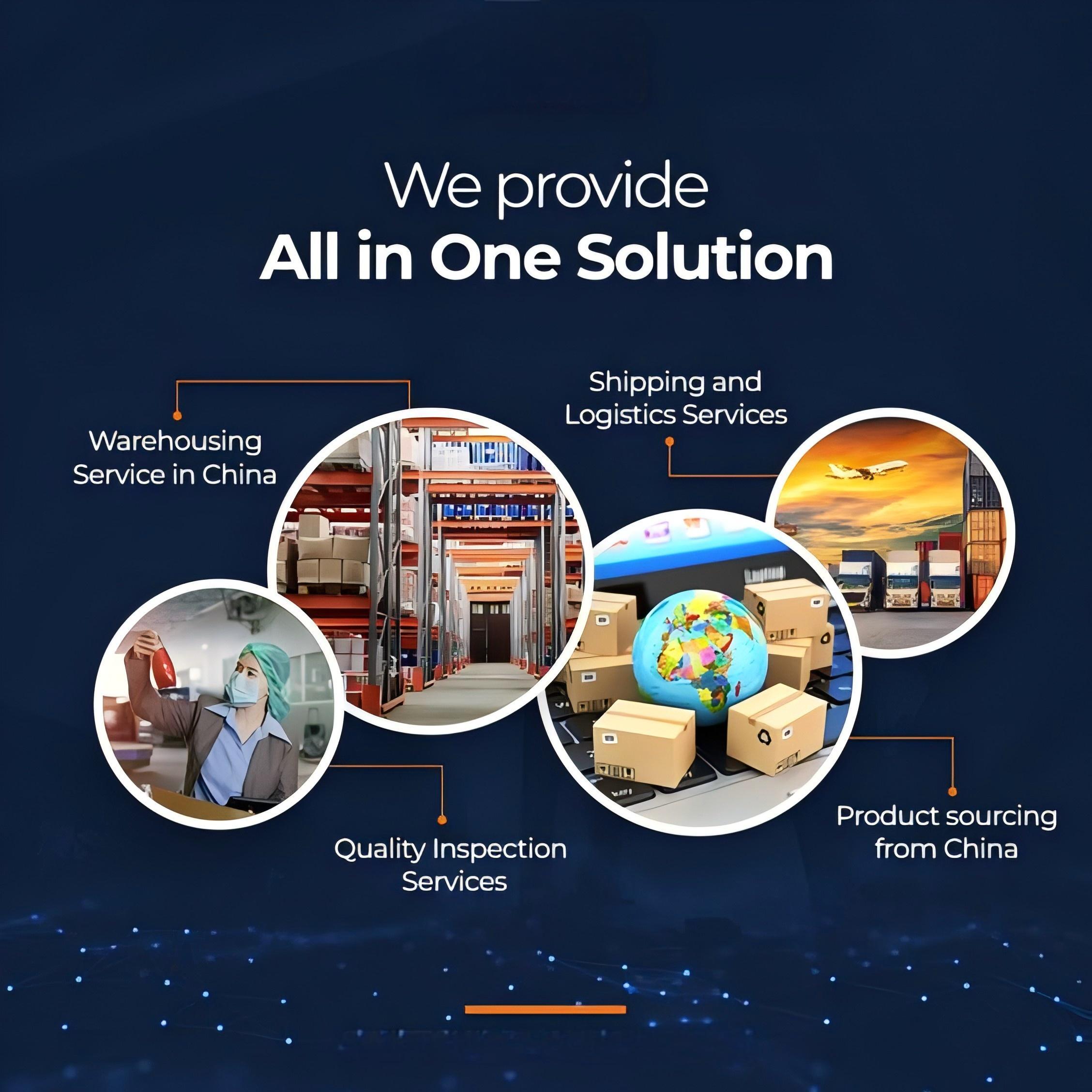
Get Your Shipping Quote Today
Ready to streamline your 40GP FCL booking process for textiles from China to Savannah? Contact China Top Freight today for a personalized quote and expert guidance. Our team is dedicated to providing efficient, reliable, and cost-effective shipping solutions tailored to your textile import needs.
Request Quote