

When timing is critical in the fashion and apparel industry, businesses choose textiles air freight China to Europe to ensure speed, reliability, and safe delivery. Importers, wholesalers, and retailers need cost transparency, customs compliance, and seamless logistics to keep their supply chain competitive. This guide explores costs, transit times, customs documents, and the best practices for shipping textiles by air.

1. Why Do Importers Choose Air Freight for Textiles?
Fashion is highly seasonal. Therefore, delays can lead to unsold stock or missed market trends. Air freight offers:
- Speed: 5–9 days compared to 30–40 days by sea.
- Security: Lower risk of theft or damage, crucial for premium textiles.
- Flexibility: Perfect for urgent orders, limited-edition fabrics, or apparel samples.
Moreover, air freight helps brands respond quickly to fast fashion cycles and consumer demand.
2. How Much Does It Cost to Ship Textiles by Air from China to Europe?
Air freight costs are based on chargeable weight, which considers either the actual or volumetric weight.
| Shipment Weight | Average Cost per kg | Estimated Transit Time | Best Use Case |
|---|---|---|---|
| 100–300 kg | $5.0 – $6.5 | 5–7 days | Mid-sized fabric rolls or finished apparel |
| 300–500 kg | $4.5 – $6.0 | 6–8 days | Bulk shipments of textiles for retailers |
| 500+ kg | $4.0 – $5.5 | 6–9 days | Large-scale imports for wholesalers |
Note: Peak seasons such as pre-summer or pre-Christmas may push rates higher due to demand.
3. What Are the Main Air Freight Routes from China to Europe?
China’s export hubs and Europe’s fashion capitals are directly connected.
- China hubs: Shanghai Pudong (PVG), Guangzhou (CAN), Shenzhen (SZX), Beijing (PEK)
- Europe hubs: London Heathrow (LHR), Frankfurt (FRA), Paris CDG, Amsterdam Schiphol (AMS)
Additionally, consolidation services may route via Dubai or Doha, although direct flights save time.
4. How Long Does Air Freight for Textiles Take?
Transit times vary by destination and customs processing.
| European Destination | Transit Time | Notes |
|---|---|---|
| UK (London LHR) | 5–7 days | Direct flights daily |
| Germany (Frankfurt) | 6–8 days | Handles high textile import volumes |
| France (Paris CDG) | 6–9 days | Key for luxury fashion supply chains |
| Netherlands (AMS) | 5–8 days | Good for EU distribution |
5. Which Customs Documents Are Required?
Accurate documentation avoids delays.
Essential documents for textile air freight:
- Commercial Invoice (detailed item description, HS codes, values)
- Packing List (weights, dimensions, carton numbers)
- Air Waybill (AWB) issued by carrier
- Certificate of Origin (may reduce duties under agreements)
- Import Licenses (for restricted fabrics)
- VAT/EORI registration (mandatory for EU/UK importers)
6. Should You Use Courier, Air Consolidation, or Direct Air Freight?
Different textile businesses have different needs.
| Mode | Cost (per kg) | Transit Time | Pros | Cons | Best For |
|---|---|---|---|---|---|
| Courier (DHL/UPS) | $7–$12 | 3–5 days | Door-to-door, simple customs | Expensive for bulk | Apparel samples, e-commerce |
| Air Consolidation | $4–$6 | 6–9 days | Shared cost, economical | Slightly longer handling | SMEs shipping 100–500kg |
| Direct Air Freight | $4–$6 | 5–7 days | Reliable schedules | Airport-to-airport only | Large wholesale shipments |
What are you waiting for?
Contact chinatopfreight for a fast, free quote.
Are you ready to book?
Access live instant freight quotes
7. What About Sea or Rail Freight Alternatives?
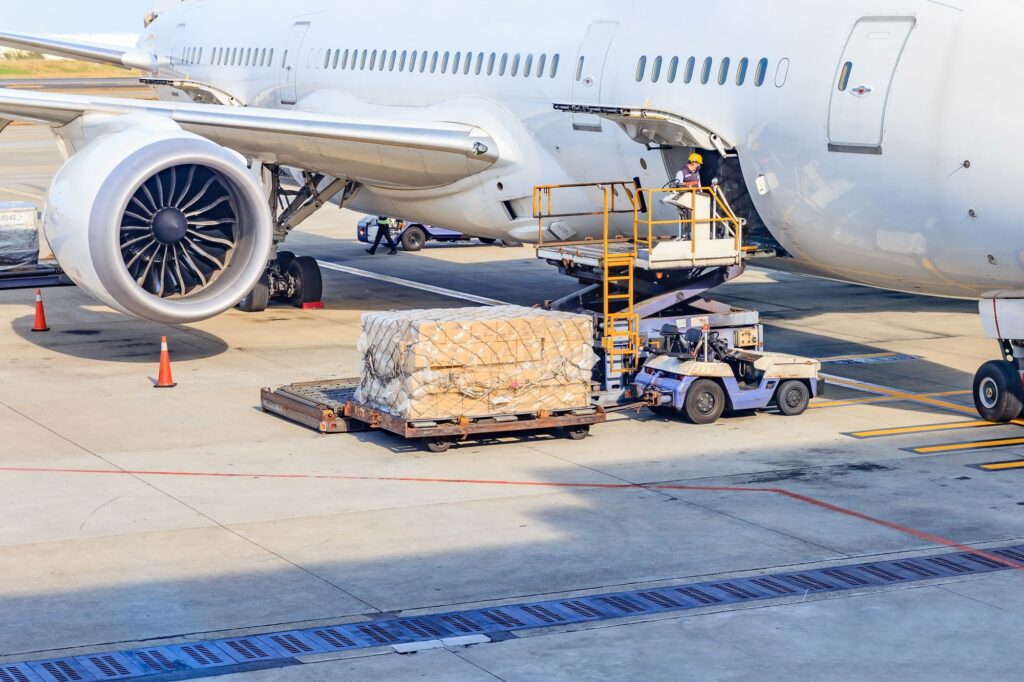
Although air is fastest, alternatives exist:
- Sea Freight: Cheapest for bulk but 30–40 days in transit.
- Rail Freight: 18–22 days, eco-friendly, limited to certain destinations.
| Factor | Air Freight | Sea Freight | Rail Freight |
|---|---|---|---|
| Cost | High | Low | Medium |
| Speed | 5–9 days | 30–40 days | 18–22 days |
| Best For | Urgent fashion cycles | Large bulk fabrics | Balanced speed vs cost |
8. How Can Importers Reduce Air Freight Costs?
- Book early to avoid seasonal surcharges.
- Consolidate shipments to share cargo space.
- Negotiate contracts with forwarders for better rates.
- Optimize packaging to reduce volumetric weight.
Additionally, using flexible delivery schedules can help importers save on peak pricing.
9. What Are the Pros and Cons of Air Freight for Textiles?
| Pros | Cons |
|---|---|
| Fastest delivery (5–9 days) | Higher cost per kg |
| Secure handling | Capacity limited in peak seasons |
| Ideal for fashion deadlines | Higher carbon footprint |
10. What Challenges Do Importers Face?
- Strict EU textile regulations (labels, fiber content rules)
- Peak season congestion at airports
- Currency fluctuations affecting landed cost
- Need for reliable forwarders with fashion industry expertise
Conclusion
Choosing textiles air freight China to Europe guarantees fast delivery, customs-cleared shipments, and supply chain flexibility. While costs are higher than sea or rail freight, the ability to meet fashion deadlines makes air freight invaluable. By optimizing packaging, securing proper documentation, and working with experienced forwarders, importers can achieve efficient and reliable textile shipping operations.
FAQ
Q1: Can I ship fabric rolls and finished garments together by air?
Yes, mixed textile shipments are allowed, provided they are documented separately with accurate HS codes for customs clearance.
Q2: Is air freight suitable for small apparel businesses?
Yes, SMEs can use air consolidation or courier services for smaller textile shipments, ensuring lower cost per unit and timely delivery.
Q3: Do I need special packaging for textile air freight?
Yes, moisture-proof cartons or polybags are recommended. Proper packaging prevents mold, dust, and damage during transport and storage.
Q4: How are duties calculated on textiles in Europe?
Duties depend on HS code classification, country of origin, and EU trade agreements. VAT applies at destination country rates.
Q5: Can textile air freight shipments be insured?
Yes, cargo insurance is strongly advised to cover risks of loss, theft, or damage, particularly for high-value fashion or branded textiles.