

The demand for fast apparel and fabric delivery is growing, making textiles air freight China to USA a preferred option. Businesses often face challenges with long transit times, customs regulations, and balancing costs. However, air freight offers unmatched speed and reliability, ensuring textile shipments reach U.S. markets efficiently.

What Is Textiles Air Freight?
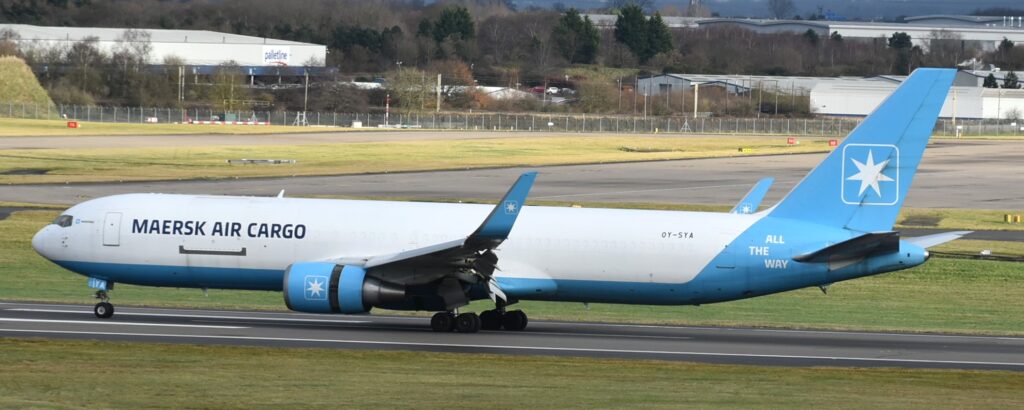
Air freight for textiles involves transporting apparel, fabrics, and raw materials via international airlines. This method is faster than sea freight, making it ideal for fashion brands, wholesalers, and time-sensitive textile shipments.
Why Choose Air Freight Over Other Methods?
- Speed: Transit times from China to the U.S. take only 3–7 days.
- Reliability: Frequent flight schedules ensure quick turnaround.
- Security: Reduced risk of damage compared to sea freight.
- Flexibility: Handles small to medium-sized textile shipments.
How Much Does Textiles Air Freight Cost?
| Shipping Method | Cost Estimate | Transit Time | Pros | Cons |
|---|---|---|---|---|
| Air Freight | $5–$7 per kg | 3–7 days | Fast, reliable, secure | Expensive for large cargo |
| Courier (DHL/UPS) | $6–$12 per kg | 2–5 days | Best for samples/small shipments | High cost per unit weight |
| Sea Freight (LCL) | $40–$60 per CBM | 30–35 days | Cheapest for bulk textiles | Long lead time |
| Sea Freight (FCL) | $2,000–$3,000 per 20ft container | 30–40 days | Best for very large textile loads | Slow, needs larger inventory |
| Rail Freight (China-EU+Transship) | $100–$150 per CBM | 20–25 days | Balanced speed and cost | Requires reloading to ocean freight |
What are you waiting for?
Contact chinatopfreight for a fast, free quote.
Are you ready to book?
Access live instant freight quotes
What Is the Transit Time for Textiles Air Freight?
| Route | Air Freight Transit | Courier | Sea Freight |
|---|---|---|---|
| Shanghai → Los Angeles | 3–5 days | 2–4 days | 25–30 days |
| Shenzhen → New York | 4–6 days | 3–5 days | 30–35 days |
| Guangzhou → Chicago | 3–6 days | 2–5 days | 28–33 days |
| Ningbo → Houston | 4–7 days | 3–6 days | 30–36 days |
What Documents Are Required for Textile Imports?
| Document | Purpose |
|---|---|
| Commercial Invoice | Declares value and transaction details |
| Packing List | Provides package and weight details |
| Air Waybill | Proof of air shipment |
| Certificate of Origin | Confirms product origin for duty calculation |
| Textile Declaration (if needed) | Ensures compliance with U.S. textile rules |
| HS Code Classification | Determines tariffs and duty rates |
| Customs Declaration Form | Submitted to U.S. customs for clearance |
How Does Customs Clearance Impact Textile Imports?
Textile imports face strict U.S. Customs regulations, especially concerning labeling, country of origin, and duty rates. Delays often occur due to incomplete invoices, incorrect HS codes, or missing textile declarations. Therefore, preparing accurate paperwork is crucial.
What Are the Pros and Cons of Air Freight for Textiles?
| Pros | Cons |
|---|---|
| Extremely fast | More expensive than sea freight |
| High security and reliability | Weight-based charges can be costly |
| Flexible for urgent orders | Limited space for bulky shipments |
Should You Ship by Courier or Consolidated Air Freight?
- Courier: Best for small shipments or urgent fashion samples.
- Consolidated Air Freight: Cost-effective when combining textile cargo with other shipments.
How to Reduce Costs in Air Freight for Textiles?
- Ship during off-peak seasons to avoid surcharges.
- Use consolidated services to split container costs.
- Accurately classify HS codes to prevent unexpected duties.
- Partner with a reliable freight forwarder.
Conclusion
The textiles air freight China to USA option is best for time-sensitive apparel and fabrics. While more costly than sea freight, it offers unmatched speed, reliability, and security. By choosing the right Incoterms, preparing proper customs documentation, and consolidating shipments when possible, textile businesses can streamline their supply chain, reduce delays, and meet demanding fashion industry timelines.
FAQ
1. Do textile imports require special labeling in the U.S.?
Yes, U.S. law requires country-of-origin labels, fiber content disclosure, and care instructions for consumer-ready textiles. Missing labels can delay customs clearance.
2. Can small textile samples be shipped via courier?
Yes, courier services like DHL and UPS are excellent for small textile samples or urgent apparel shipments, though costs per kilo are higher than air freight.
3. Are duties higher on finished clothing than on raw fabric?
Generally, yes. Finished garments often carry higher tariffs than raw fabrics or semi-finished textiles under U.S. customs tariff schedules.
4. What Incoterms are common for textile imports?
FOB (Free on Board) and DDP (Delivered Duty Paid) are most common. DDP reduces risk for buyers, while FOB allows more control over freight costs.
5. How can textile importers avoid delays?
Accurate invoices, HS codes, textile declarations, and working with an experienced forwarder help reduce customs inspections and clearance delays.