

When managing textiles freight China to UK, importers must balance speed, cost, and reliability. With thousands of apparel and fabric shipments moving weekly, choosing the right freight method can significantly impact delivery timelines and profit margins. This article explains all major shipping options, transit times, customs processes, and logistics strategies to streamline textile imports from China to the UK.

1. What Are the Main Shipping Methods for Textiles Freight from China to the UK?
Depending on the urgency and shipment size, textile goods can be shipped by air, sea, or rail. Each mode offers distinct advantages for textile manufacturers, retailers, and eCommerce brands.
| Shipping Method | Average Transit Time | Ideal Shipment Type | Cost Range (USD/kg) | Key Benefits |
|---|---|---|---|---|
| Air Freight | 5–9 days | Urgent textile orders | 4–8 | Fast and secure |
| Sea Freight (FCL/LCL) | 30–40 days | Bulk fabric rolls or garments | 0.5–2.0 | Cheapest per kg |
| Rail Freight | 18–25 days | Large textile loads | 1.5–3.0 | Balanced cost & speed |
| Express Courier | 3–6 days | Samples or small orders | 6–12 | Door-to-door delivery |
Long-tail keywords: fabric shipping China to UK, garment import from China, textile logistics to London, air cargo for clothing, cheap textile transport China to UK.
2. How Long Does Textiles Freight from China to the UK Take?
Transit time depends on your chosen method, departure port, and customs efficiency.
| Route | Air Freight | Rail Freight | Sea Freight |
|---|---|---|---|
| Shanghai → London | 6–8 days | 20–25 days | 35–40 days |
| Shenzhen → Felixstowe | 5–7 days | 18–22 days | 32–38 days |
| Ningbo → Southampton | 6–9 days | 19–24 days | 34–39 days |
Additionally, customs inspection or port congestion may add 2–3 days. Therefore, textile importers often combine multiple modes to maintain consistent stock levels.
3. How Much Does It Cost to Ship Textiles from China to the UK?
Shipping costs vary by volume, weight, and transport type. Air freight offers rapid service but higher rates, while sea freight remains ideal for large fabric consignments.
| Shipping Mode | Estimated Cost (USD/kg or per CBM) | Average Volume | Suitability |
|---|---|---|---|
| Air Freight | $4–8 per kg | <500 kg | Urgent clothing shipments |
| Rail Freight | $1.5–3.5 per kg | 500–5,000 kg | Bulk apparel |
| Sea Freight (LCL) | $40–80 per CBM | 1–15 CBM | Smaller textile lots |
| Sea Freight (FCL) | $2,000–$3,500 per container | 20–25 CBM | Full loads of fabrics |
Semantic keywords: freight rates, shipping costs, logistics optimization, customs duties, cargo management, international trade, textile supply chain.
What are you waiting for?
Contact chinatopfreight for a fast, free quote.
Are you ready to book?
Access live instant freight quotes
4. Why Is China a Leading Source of Textile Exports to the UK?
China remains the world’s largest textile exporter thanks to:
- Advanced production technology and efficient supply chains.
- Competitive labor costs and raw material sourcing.
- Established trade routes and logistics partnerships.
Moreover, cities such as Guangzhou, Hangzhou, and Suzhou are major textile manufacturing hubs with direct connections to UK ports.
5. How to Choose the Right Freight Method for Textiles?
| Requirement | Best Option | Reason |
|---|---|---|
| Urgent shipments (samples, seasonal items) | Air Freight | Fastest delivery |
| Cost-sensitive bulk fabrics | Sea Freight | Lowest per-unit cost |
| Mid-size garment loads | Rail Freight | Balanced efficiency |
| Small-value or sample goods | Courier Express | Convenient door-to-door |
Tip: Many UK importers use multimodal transport, combining rail and sea for flexible scheduling and reduced cost.
6. What Customs Documents Are Required for Textile Imports?
| Document | Purpose | Issued By |
|---|---|---|
| Commercial Invoice | Declares value & description | Exporter |
| Packing List | Lists materials & weight | Shipper |
| Bill of Lading / Air Waybill | Transport contract | Carrier |
| Certificate of Origin | Verifies manufacturing country | Chamber of Commerce |
| Import Declaration (C88) | Required for UK customs | Importer |
| Textile Product Compliance | Confirms safety & labeling | Manufacturer |
Long-tail keywords: textile import documents UK, HS codes for fabrics, customs clearance for garments, UK import VAT textiles, export certificate China.
7. What Are the Main Ports and Hubs for Textiles Freight?
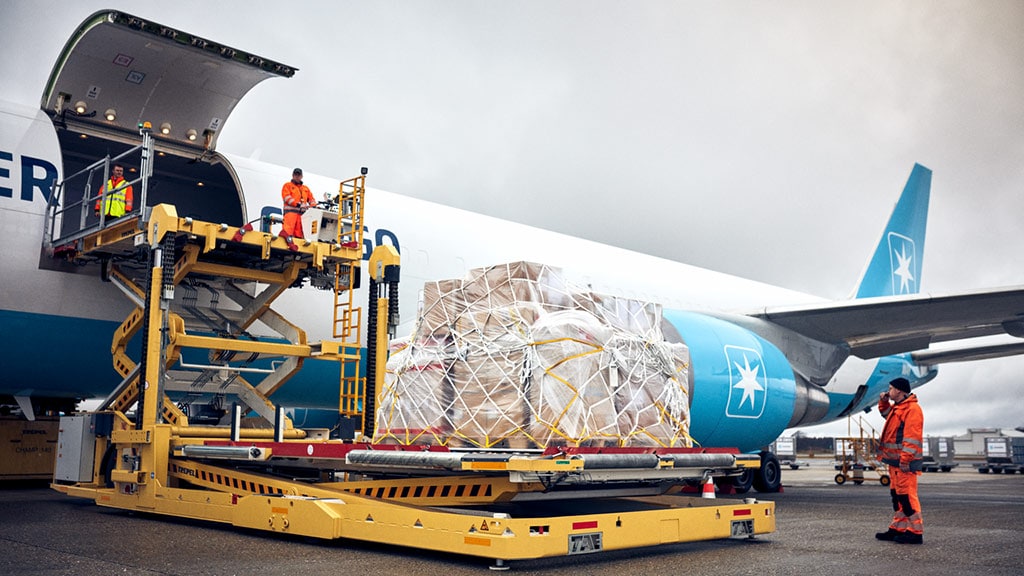
Major Chinese Ports and Airports
- Shanghai Port – largest for textile exports.
- Shenzhen Yantian Port – efficient container operations.
- Guangzhou Baiyun Airport – high air cargo capacity.
UK Entry Points
- Port of Felixstowe – primary for sea freight.
- London Gateway – modern handling for containerized goods.
- Manchester Airport – efficient for air imports.
| Mode | China Hub | UK Destination | Transit Time |
|---|---|---|---|
| Air | Shanghai PVG | London Heathrow | 6–8 days |
| Rail | Xi’an | London Gateway | 20–24 days |
| Sea | Ningbo | Felixstowe | 33–38 days |
8. How Do Incoterms Affect Textile Freight Costs and Responsibility?
| Pros | Cons |
|---|---|
| Lower cost than air freight | Longer than air delivery |
| Shorter transit than standard sea | Subject to port congestion |
| Handles bulk cargo easily | Requires early booking |
| More eco-friendly than air | Not ideal for perishable goods |
9. How to Avoid Delays in Textile Freight?
- Book early during peak seasons (Jan–Feb & Sept–Dec).
- Use pre-inspection and digital documentation to speed up customs.
- Partner with a forwarder that offers warehouse consolidation and inventory tracking.
- Ensure textile labeling compliance under UKCA/REACH standards.
Semantic keywords: logistics planning, warehouse management, compliance, textile labeling, shipment tracking, supply chain optimization.
10. How Does Sustainability Impact Textile Freight Choices?
Many fashion brands now demand eco-friendly logistics.
- Rail freight emits up to 75% less CO₂ than air freight.
- Sea freight consolidation reduces emissions per unit.
- Reusable packaging minimizes textile waste during shipping.
As sustainability gains importance, combining speed with environmental responsibility gives importers a competitive edge.
Conclusion
In conclusion, textiles freight China to UK offers multiple transport options—air, sea, and rail—each serving different needs. By choosing the right route, preparing complete documents, and collaborating with an experienced freight forwarder, importers can minimize costs and ensure timely textile deliveries. Partner with ChinaTopFreight today to simplify your logistics and keep your textile supply chain running efficiently.
FAQ
1. What’s the fastest way to ship textiles from China to the UK?
Air freight or express courier delivers within 5–8 days, ideal for urgent fabric samples and seasonal apparel shipments.
2. Do textile imports from China require special certification?
Yes. Some fabrics need REACH or UKCA compliance to ensure they meet environmental and safety regulations before entering the UK market.
3. Can I import small textile quantities cost-effectively?
Yes. LCL (Less-than-Container Load) sea freight or rail consolidation allows importers to share space and reduce shipping costs.
4. How do customs duties affect textile imports?
Importers pay VAT and tariffs based on HS codes. Correct classification helps avoid overpayment and customs delays.
5. Which port is most efficient for textile freight to the UK?
Felixstowe handles most textile imports due to modern infrastructure and direct routes from Chinese manufacturing ports.