

Choosing textiles sea freight from China is one of the most cost-effective and scalable ways for global importers to move fabric, apparel, garments, and raw materials. However, many businesses still struggle with transit times, documentation, customs rules, and volatile shipping costs. Therefore, this comprehensive guide explains everything you need to know—methods, pricing, timelines, documents, pros and cons, and strategies to optimize your textile supply chain.

1. What Makes Textiles Sea Freight From China the Most Cost-Efficient Option?
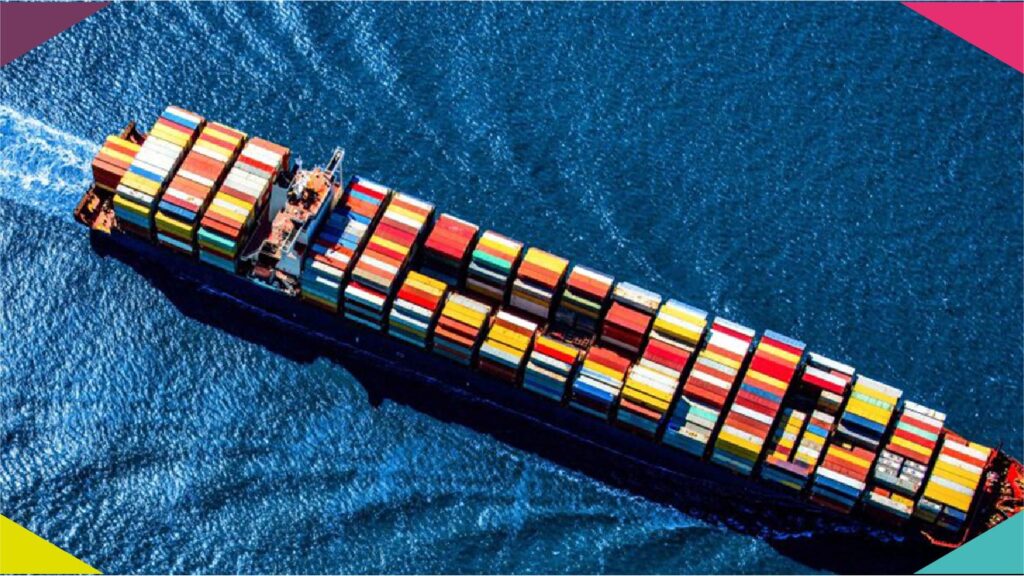
Importers prefer textiles sea freight from China because it offers predictable costs, stable capacity, and competitive container rates. Moreover, textiles tend to be bulky but lightweight, meaning sea shipping provides the most economical cost-per-unit.
| Method | Transit Time | Cost Level | Best For | Pros | Cons |
|---|---|---|---|---|---|
| Sea Freight LCL | 12–22 days | Low | 2–15 CBM | Affordable, flexible loading | Slower transit |
| Sea Freight FCL | 10–18 days | Very Low | 20–40ft containers | Lowest per-unit price | Requires volume |
| Air Freight | 3–7 days | High | Urgent textile orders | Fast, reliable | Too costly for bulky goods |
| Rail Freight | 14–20 days | Medium | Europe shipments | Balanced speed | Limited global reach |
Sea freight becomes even more advantageous during peak apparel seasons, when air freight rates rise sharply.
2. How Does the Textiles Supply Chain Work When Shipping From China?
China’s textile industry is concentrated in key hubs such as Guangzhou, Shenzhen, Shanghai, Suzhou, Yiwu, and Ningbo. Additionally, textile mills and garment factories rely on regular exports through major ports.
Main Export Ports for Textiles
- Shenzhen (Yantian, Shekou)
- Ningbo-Zhoushan
- Shanghai
- Guangzhou (Nansha)
- Qingdao
- Xiamen
These ports have dense weekly sailings, which significantly reduces waiting times and improves delivery schedule reliability.
3. What Documents Do You Need for Textiles Sea Freight From China?
Proper documentation is crucial for customs compliance and avoiding delays. Moreover, different markets—such as the EU, USA, Middle East, and Southeast Asia—may require additional textile-specific certificates.
| Document | Purpose |
|---|---|
| Commercial Invoice | Declares fabric type, HS code, value |
| Packing List | Lists sizes, weights, and quantity |
| Bill of Lading | Official shipping document |
| Certificate of Origin | Required for tariffs or FTA benefits |
| Textile Compliance Docs (if needed) | Fiber composition, labeling rules |
| Importer Record / Tax ID | Required for clearance |
| Inspection Certificate | For sensitive or regulated goods |
For example, certain importing countries require fiber composition details for labeling compliance.
4. What Is the Cost of Textiles Sea Freight From China?
Freight rates fluctuate based on season, volume, fuel adjustments, supply chain trends, and destination region. However, sea shipping remains the most affordable option for textile shipments.
| Shipment Type | Cost Range |
|---|---|
| LCL Freight | $30–$80 per CBM |
| 20ft Container (FCL) | $850–$1,500 |
| 40ft Container | $1,400–$2,200 |
| Port Fees & Handling | $150–$350 |
| Customs Brokerage | $50–$120 |
These prices vary depending on destination and seasonality.
Textile importers often consolidate orders from multiple factories to reduce overall freight costs.
Are you ready to book?
Access live instant freight quotes
5. How Long Does Sea Freight Take for Textiles Shipping From China?
Transit time depends on the origin port, the destination country, and the shipping line. Additionally, customs clearance and inland delivery may add extra days.
| Destination | LCL Transit Time | FCL Transit Time |
|---|---|---|
| USA West Coast | 14–20 days | 12–18 days |
| USA East Coast | 25–35 days | 22–30 days |
| Europe (Germany, Netherlands) | 28–40 days | 25–35 days |
| Middle East (Dubai) | 18–25 days | 14–22 days |
| Southeast Asia | 5–12 days | 4–10 days |
| Australia | 12–20 days | 10–18 days |
Weather disruptions and port congestion may extend shipping time, but stable scheduling usually keeps textile shipments predictable.
6. Why Should Importers Use FCL Instead of LCL for Textile Cargo?
FCL (Full Container Load) is ideal for large-volume textile shipments. Although LCL works well for smaller quantities, FCL provides notable advantages.
Benefits of FCL for Textiles
- Lowest cost per CBM
- Reduced risk of damage
- Faster transit since containers are not deconsolidated
- Higher security for high-value apparel
- No mixing with other cargo
Nevertheless, LCL is an excellent choice when volume does not justify a full container.
7. What Are the Key Risks When Shipping Textiles by Sea From China?

Although sea freight is reliable, importers must anticipate potential challenges.
Common Risks
- Moisture damage (especially fabrics)
- Mold during long transit
- Delayed sailings
- Port congestion
- Customs inspection delays
How to Reduce These Risks
- Use moisture-proof packaging
- Add desiccants inside cartons
- Request container fumigation if necessary
- Work with experienced textile freight forwarders
- Ensure correct HS codes to avoid inspections
Moreover, keeping shipment documents accurate greatly minimizes customs risks.
8. How to Choose the Best Freight Forwarder for Textiles Sea Freight From China?
A professional freight forwarding partner is essential for reliable textile shipping. This is because textiles may require special handling, especially knit fabrics and delicate materials.
Criteria for Forwarder Selection
- Experienced with textile cargo and fabric rolls
- Offers LCL and FCL consolidation
- Competitive container pricing
- Strong customs clearance capabilities
- Warehousing near major textile manufacturing hubs
- Ability to provide DDP shipping
- Transparent communication and tracking
Working with the right partner simplifies the entire supply chain, from factory pickup to delivery at the destination warehouse.
9. What Packaging Is Best for Textiles Sea Freight?
Proper packaging significantly influences product quality upon arrival. Therefore, importers should follow best practices for ocean transport.
Recommended Packaging Types
- Poly bags for individual textile rolls
- Cartons for folded clothes
- Baled packaging for durable fabrics
- Waterproof wrapping for humidity protection
- Palletization for high-value apparel
Additionally, using heat-treated pallets ensures compliance with international regulations.
10. How Do Customs Clearance Procedures Work for Textiles Sea Freight?
Clearance procedures depend on each country’s import regulations. Generally, customs officers review the product’s fiber composition, classification, and declared value.
Key Customs Requirements
- Correct HS codes for textile materials
- Accurate fiber content (cotton, polyester, blends)
- Adequate labeling documentation
- Tariff calculation based on FTA or origin
- Inspection for restricted materials (e.g., wool, leather)
Moreover, providing clear product descriptions helps avoid delays and reclassification errors.
Conclusion
Shipping textiles sea freight from China remains the most economical and scalable solution for global importers. By choosing the right freight method, optimizing packaging, preparing proper documents, and partnering with an experienced forwarder, textile brands can maintain competitive pricing and reliable inventory levels. Moreover, effective logistics planning improves supply chain stability and minimizes delays. If you need professional assistance, consider working with a specialized freight provider to streamline every step of your textile imports.
FAQ
1. What is the best time of year to ship textiles from China?
The best period is off-peak months such as February to May and September to November, when freight rates stabilize and capacity is more predictable for textile importers.
2. Can textile rolls be shipped without pallets by sea?
Yes, textile rolls can be shipped without pallets, although palletization offers better stability. Non-palletized cargo should use moisture-proof wrapping and tight bundling.
3. Do customs inspect textile shipments frequently?
Textile cargo may undergo random inspections depending on HS codes, fiber content, and destination regulations. Accurate documentation significantly reduces inspection risks.
4. Is LCL or FCL better for small clothing brands?
LCL is ideal for smaller volumes because it avoids paying for a full container. However, once shipment totals exceed 18–20 CBM, FCL becomes more cost-effective.
5. How can I protect textiles from moisture during sea transport?
Use desiccants, waterproof pallets, shrink wrapping, and good ventilation. Additionally, choosing high-quality containers helps prevent condensation and mold growth.