

The time to ship auto parts from China to Europe depends on the transport method, customs clearance, and logistics planning. Auto parts are in high demand across Europe, but importers often struggle with balancing transit speed, costs, and regulatory compliance. However, with the right shipping strategy, businesses can meet deadlines, cut expenses, and strengthen their supply chain.

What Shipping Options Exist for Auto Parts?
Auto parts can be transported by air, sea, rail, or courier. Each option offers trade-offs in terms of speed, cost, and cargo size.
- Air freight: Fastest for urgent or high-value parts.
- Sea freight: Most economical for bulk or heavy shipments.
- Rail freight: Balanced speed and cost for inland Europe.
- Courier services: Best for small, time-critical spare parts.
What Is the Transit Time for Auto Parts?
| Route | Air Freight | Courier | Sea Freight | Rail Freight |
|---|---|---|---|---|
| Shanghai → Hamburg | 5–7 days | 3–5 days | 30–35 days | 18–22 days |
| Shenzhen → Rotterdam | 6–8 days | 4–6 days | 28–32 days | 20–24 days |
| Ningbo → Antwerp | 6–9 days | 4–6 days | 28–33 days | 18–20 days |
| Qingdao → Warsaw | 6–10 days | 5–7 days | 32–36 days | 16–18 days |
How Much Does It Cost to Ship Auto Parts?
| Method | Average Cost | Cargo Type |
|---|---|---|
| Air Freight | $5–$8 per kg | Small, urgent, or valuable components |
| Express Courier | $6–$12 per kg | Small parcels, replacement parts |
| Sea Freight (LCL) | $40–$60 per CBM | Mid-sized shipments, mixed auto parts |
| Sea Freight (FCL) | $1,500–$2,800 per 20ft container | Large, heavy shipments (engines, tires) |
| Rail Freight | $100–$150 per CBM | Medium shipments to Central & Western EU |
What are you waiting for?
Contact chinatopfreight for a fast, free quote.
Are you ready to book?
Access live instant freight quotes
What Documents Are Needed to Import Auto Parts?
| Document | Purpose |
|---|---|
| Commercial Invoice | Declares value and transaction details |
| Packing List | Itemized cargo details |
| Bill of Lading / Air Waybill | Proof of shipping |
| Certificate of Origin | Verifies manufacturing country |
| HS Code Classification | Determines duty and tariff rates |
| CE Mark (if applicable) | Required for compliance in the EU market |
| Customs Declaration Form | Submitted to European customs for clearance |
Why Does Customs Clearance Matter for Auto Parts?
Auto parts often face strict scrutiny due to safety standards. Customs delays typically occur when:
- HS codes are misclassified.
- Missing CE certifications for safety parts.
- Incomplete invoices or packing lists.
- VAT and duties not prepaid under DDP terms.
What Are the Pros and Cons of Different Shipping Modes?
| Mode | Pros | Cons |
|---|---|---|
| Air Freight | Fast, reliable, secure | Expensive for bulky or heavy parts |
| Courier | Ideal for urgent small parts | High cost per kg |
| Sea Freight | Cheapest for heavy shipments | Longest transit time |
| Rail Freight | Faster than sea, cheaper than air | Limited routes, inland transport needed |
Should You Choose LCL or FCL for Auto Parts?
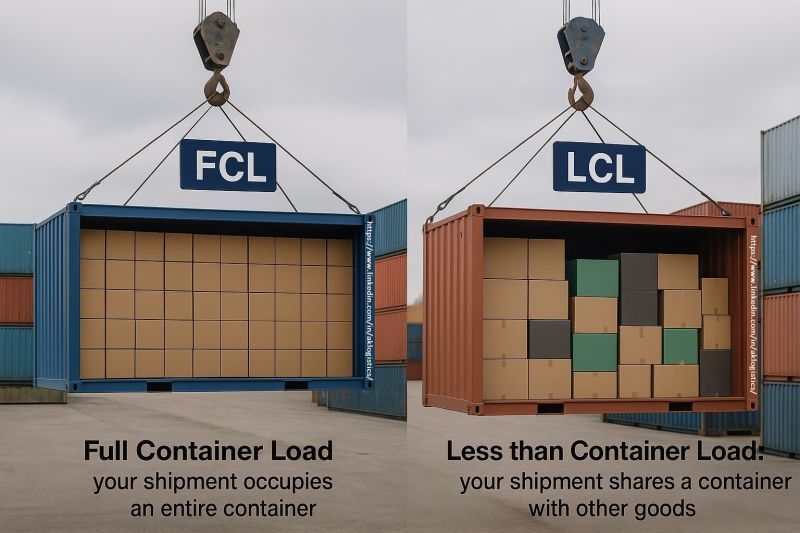
- LCL (Less than Container Load): Flexible for small importers or mixed cargo.
- FCL (Full Container Load): Best for bulk auto parts, engines, or tires.
How to Shorten the Time to Ship Auto Parts?
- Use air freight for urgent shipments.
- Choose rail freight for inland Europe.
- Prepare all customs documents in advance.
- Work with an experienced freight forwarder.
- Select DDP Incoterms to avoid hidden customs delays.
Conclusion
The time to ship auto parts from China to Europe varies greatly depending on the method chosen. Air freight is fastest at under 10 days, rail provides a balanced option in 16–22 days, and sea freight remains the most cost-effective at 28–36 days. Courier services are ideal for urgent spare parts. With proper planning, compliance, and the right shipping partner, businesses can streamline delivery schedules, reduce costs, and maintain a reliable automotive supply chain.
FAQ
1. Can auto parts be shipped by courier?
Yes, small replacement parts or urgent orders can be shipped by courier. However, the per-kilo cost is high compared to air or sea freight.
2. What Incoterms are best for auto parts shipping?
DDP ensures smooth delivery by handling duties and taxes. FOB gives buyers more control but requires experience with customs.
3. Do all auto parts require CE certification?
Not all, but safety-related components like brakes and electronics often require CE compliance before entering the EU market.
4. Which European ports handle most auto part imports?
Rotterdam, Hamburg, and Antwerp are key entry points. Rail freight commonly arrives at Warsaw or Duisburg terminals.
5. Can heavy machinery parts be shipped by air?
It is possible, but prohibitively expensive. Sea freight or rail is recommended for heavy engines, transmissions, and tires.